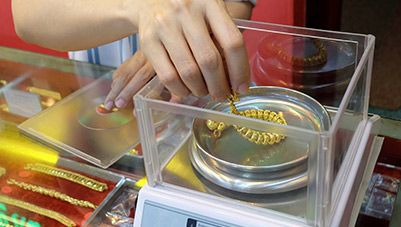
Key factors affecting gold rates in Noida
The current gold rate in Noida can move up or down as market conditions change. Several domestic and global factors influence these daily price movements.
- Global gold prices: Gold traded in international markets has a strong influence on prices in India. Changes in global rates can therefore affect prices in Noida.
- USD-INR exchange rate: Gold is traded internationally in US dollars. If the rupee loses value against the dollar, imported gold can become more expensive in India.
- Demand and supply: Buying patterns for jewellery, coins and bars can affect local prices. Strong demand may put upward pressure on gold rates.
- Inflation: During periods of higher inflation, some buyers and investors may turn to gold as a way to preserve value, which can affect demand.
- Interest rates: Changes in interest rates can influence investment choices. When returns on interest-bearing investments change, demand for gold may also shift.
- Government policies: Import duties, taxes and changes in regulations can affect the cost of bringing gold into India and its final retail price.
- Wedding and festive demand: Gold purchases often increase during weddings and festivals. Higher seasonal demand can influence prices in local markets such as Noida.
- Economic and geopolitical events: Uncertainty caused by economic or geopolitical developments can affect investor demand for gold and lead to price movements.
Changes in gold prices may also affect the value considered for a gold loan. Check your gold loan eligibility to understand how eligible weight, purity, valuation and applicable LTV limits may affect the amount you can borrow.
Along with market movements, the purity of gold is another important factor to consider when assessing its value.
What is the difference between 18K, 22K and 24K gold?
Gold purity tells you how much pure gold an item contains. The purity level can affect its price, strength and suitability for different types of jewellery or investment.
- 18K gold: It contains 75% pure gold, with the remaining portion made up of other metals. This makes it stronger and more suitable for daily-wear jewellery, modern designs and stone-studded pieces.
- 22K gold: It contains about 91.6% pure gold. It is a popular choice for traditional jewellery as it offers high gold content while being stronger than 24K gold.
- 24K gold: It contains about 99.9% pure gold. Since it is softer than lower-purity gold, it is generally preferred for investment products such as coins and bars rather than detailed jewellery.
| Parameter | 18K Gold | 22K Gold | 24K Gold |
|---|
| Purity | 75% | 91.6% | 99.9% |
| Strength | Highest | High | Lower |
| Common Use | Diamond jewellery and daily wear jewellery | Traditional jewellery | Investment bars and coins |
| Price | Lowest | Higher | Highest |
How to check gold purity in Noida
Checking gold purity before buying or pledging jewellery can help you know whether the gold matches its stated karat value. You can use different methods to check purity, but professional testing gives a more reliable result.
- Check the BIS hallmark: Look for the applicable BIS hallmark and purity mark on the jewellery. These markings help confirm the stated purity of the gold.
- Look for the fineness mark: Numbers such as 750 and 916 show the proportion of pure gold in the item. For example, 750 represents 75% pure gold, while 916 represents about 91.6% purity.
- XRF testing: X-ray fluorescence testing can check the metal composition without causing significant damage to the jewellery.
- Electronic testing: Professional electronic devices can assess gold purity by measuring certain physical or electrical properties of the metal.
- Acid testing: A trained professional can use a controlled acid test to get an indication of gold purity. This method should be carried out carefully to avoid damaging the jewellery.
- Professional assessment: A qualified jeweller or assayer can examine the jewellery and provide a more dependable assessment of its purity.
Home-based checks may give you a basic indication, but they may not be enough to confirm the exact purity. For a more accurate assessment, get the gold tested by a qualified professional and learn more about the purity of gold.
How can you calculate the value of your gold?
You can estimate the current value of your gold using its net weight, purity and the applicable gold rate per gram.
Gold value = Net gold weight × Applicable gold rate per gram
For example, if you have 20 grams of 22K gold and the applicable rate is Rs. 10,000 per gram, the indicative gold value would be Rs. 2,00,000.
This is an estimate of the underlying gold value. The final jewellery purchase price may be higher because making charges, taxes and other applicable costs can be added.
For a gold loan, valuation follows a separate process. The eligible amount is determined using the net eligible gold weight, actual purity, prescribed benchmark valuation and the applicable LTV ratio.
How do gold rates influence gold investments?
Gold prices directly affect the value of gold investments. When gold prices rise, the value of physical gold, Gold ETFs, and Sovereign Gold Bonds generally increases. When prices fall, their value may also decline. Although each investment option works differently, all are linked to movements in the underlying gold price.