
Articles

Videos

Locator

FAQs
We are all familiar with the KYC (Know Your Customer) process where customers provide relevant personal information for identity verification by banks and financial service providers. Thanks to the growing trend of digital banking and transactions, the KYC process has also found convenience and agility through digital means. However, amidst this positivity, a cause for concern has emerged, which is KYC frauds.
Just recently, if you’ve heard the news, hackers of Chinese origin duped customers of a prominent Indian bank by asking them to update their KYC process. In fact, amidst the pandemic, instances of KYC frauds in banks have seen a major rise. Even the Reserve Bank of India had to release a cautionary notice warning people against KYC update frauds and asking them to not share personal information with unidentified people.
So, what exactly is a KYC fraud and how can you prevent KYC fraud? Let’s learn about it below:
Visit our service portal
Types of KYC fraud
With India rapidly shifting towards a digital economy, more and more people are growing familiar with digital ways to make payments, open accounts, apply for a loan or invest online. This is, unfortunately, being leveraged by fraudsters and scam artists who have now begun employing highly deceptive methods, such as social engineering, to target innocent customers or those who are still not completely comfortable with digital ways of conducting activities.
Fake KYC Update: In the façade of a bank official or customer support officer, a fraudster calls an unsuspecting customer and urges him/her to share personal account details to update their KYC database. They can also either lure people with the promise of gifts or discounts or threaten people that their account will be closed if they don’t share details such as account login credentials, passwords, OTPs, card information, etc. This can also occur through emails or SMSes, wherein a fishy link is shared, urging customers to visit it and input personal info to update KYC.
- Vishing: Following the previous modus operandi, the fraudster will call the customer and ask him to install a malicious app from which he can defraud the customer. This is called vishing.
- Smishing: KYC frauds in banks can also occur in a reverse manner wherein, first, the customer gets a suspicious link through an SMS to update KYC details, and then is asked to call a number. This is termed as smishing.
- Remote Access: Another rising scam is the one wherein the fraudsters gain remote access to a person’s desktop or smartphone through an app installed in the guise of a KYC update. Later on, fraudsters can ask the customer to verify on the device, thereby leading to a leak of bank details.
3 Tips to Prevent KYC Fraud
The most important thing we need to do to prevent KYC fraud is alertness. Here’s how you can prevent KYC scams:
- Think before clicking on a link: Any threatening, too-good-to-be-true, or suspicious SMS, email, or social media message that asks you to click on a link to update your KYC should be treated with caution. Don’t click on it unless you are absolutely sure of the sender’s identity.
- Never share personal info with unverified sources: Remember, you are not supposed to share personal information such as bank account details, login verification, passwords, card information, etc., over a call or elsewhere with anyone – not even your bank!
- Don’t pay heed to unsolicited KYC update demands: A bank will never share a link with you to update your KYC in an unsolicited manner. Banks and financial institutions also don’t ask you to install any third-party apps for the same.
- Lastly, always report such instances at the cybercrime.gov.in portal, and also to the bank authorities.
What to do in case of a KYC fraud?
Many prominent banks and financial institutions have been targeted with KYC frauds in their name, and the same is the case with Bajaj. Remember, Bajaj will never ask you to update KYC either through an SMS link or through its representatives. In case you have fallen for a KYC scam in Bajaj’s name, immediately report it to the cybercrime authorities as well as at /reach-us.
Read more:
Videos
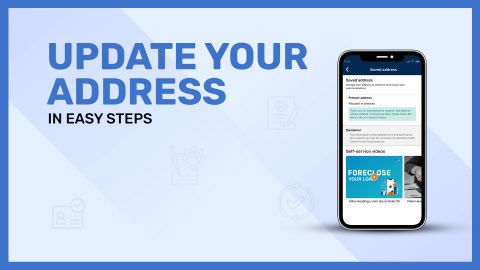
How to update or change your address
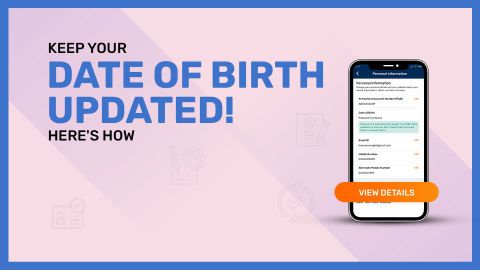
How to update or change your date of birth

How to set up auto payment through UPI Global Intent
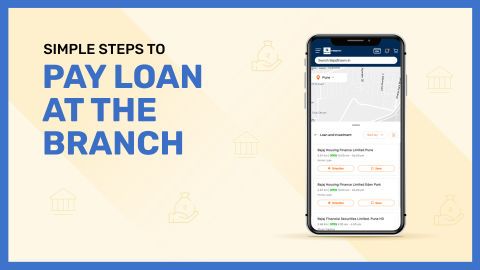
How to pay loan through branch
Not your nearest branch?

Frequently asked questions
Overview
Identification
Prevention
Others
KYC fraud occurs when scammers pose as bank or financial institution representatives and trick people into sharing personal or financial details under the guise of updating their KYC.
The Reserve Bank of India (RBI) released a cautionary notice warning people against KYC update frauds and asking them not to share personal information with unidentified people.
They often copy official language, logos, and messaging styles. Communication may appear legitimate, making people believe the update request is real.
They aim to steal OTPs, passwords, login details, bank information, card numbers, or document copies. Sharing any of these can expose accounts to misuse.
Fraudsters call, email, or message pretending to be officials and demand personal details. They often threaten service suspension or lure you with gifts to push you into compliance.
Vishing involves fraudsters calling victims and persuading them to install malicious apps. These apps can capture sensitive data or give remote access to devices.
Smishing uses SMS links that claim to update KYC or fix account issues. When users click the link, they are asked to share sensitive information or call fraudulent numbers.
Fraudsters gain remote access to your desktop or smartphone through an app installed under the guise of a KYC update. This leads to a leak of your bank details when they later ask you to verify on the device.
Threatening or overly attractive messages asking you to “update KYC immediately” often lead to fake pages. Clicking such links may expose your data or device to fraud.
No. Banks and financial institutions never ask for login details, card numbers, or OTPs on calls. Sharing such information can lead to immediate account misuse.
Authentic updates are communicated through official channels—not via random SMS links, calls from unknown numbers, or third‑party apps.
Ignore the message and verify directly through your bank’s official website or app. Any unverified source should be treated as suspicious.
Report the incident immediately on the national cybercrime portal i.e., cybercrime.gov.in. Quick reporting improves the chances of limiting further misuse.
Yes. Alert your bank or NBFC to block access, monitor transactions, and protect your accounts from additional fraud attempts.
If the scam involves Bajaj’s name, visit the official support page: https://www.bajajfinserv.in/reach-us. page. This allows the team to act and guide you appropriately.
Delays allow fraudsters more time to misuse your data. Acting immediately helps mitigate damage and strengthens your case during investigation.