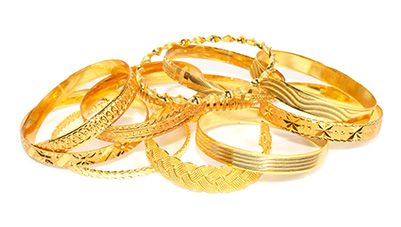
The 24 carat gold price in Delhi today sets the value of your eligible gold coins, and so the loan amount you can get. Bajaj Finance accepts 24 karat gold coins and 18-22 karat jewellery and ornaments as collateral for a gold loan. We do not accept 24 carat gold jewellery as collateral for a gold loan.
How is gold loan eligibility calculated?
A gold loan from Bajaj Finance is based purely on what your gold is worth today, not your credit score or income.
Your eligible loan amount depends on:
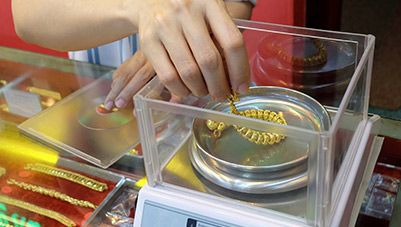
- The weight of your gold
- The purity of your gold
- The applicable gold price
- The Loan-to-Value (LTV) ratio
Only the gold content is valued. Stones, enamel, and other decorations are not included.
Please note: As per RBI guidelines, Bajaj Finance uses whichever is lower: the previous day's closing price or the 30-day average closing price, published by IBJA or a SEBI-regulated commodity exchange. This keeps your valuation tied to real market data. The maximum LTV depends on your loan amount and cannot exceed prescribed limits. To know more, click here.
| Loan amount | Maximum LTV |
| Up to Rs. 2.5 lakh | 85% |
| More than Rs. 2.5 lakh to Rs. 5 lakh | 80% |
| More than Rs. 5 lakh to Rs. 2 crore | 75% |
Worked example. Neha, 38, is a self-employed professional in Delhi. Her 24 carat gold coins have an eligible value of Rs. 2,00,000 after valuation. At 85% LTV, her maximum loan is Rs. 2,00,000 x 85% = Rs. 1,70,000. If the eligible value falls to Rs. 1,80,000, the maximum loan falls to Rs. 1,53,000. Branch valuation and credit assessment decide the final amount, so this example is not an offer.
Gold loan basics: what you should know before applying
Bajaj Finance offers gold loan interest rates between 9.50% and 24.25% per annum, with loan amounts from Rs. 5,000 up to Rs. 2 crore. The rate you are offered depends on the purity and weight of your gold, the loan amount, and the repayment tenure you choose. There are no hidden charges; the cost is clear from the start
Eligibility and documents to keep in mind:
- You need to be an Indian citizen between 21 and 80 years of age
- 18-22 karat gold jewellery, ornaments, or coins up to 24 karat purity are accepted for pledging
- Your loan amount is based on the weight and purity of your gold, not what you originally paid for it
- Only one valid KYC document is required: Aadhaar card, passport, Voter ID, driving licence, NREGA job card, or a letter from the National Population Register
- There are no foreclosure charges; you can close the loan early without any penalty
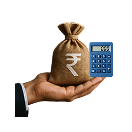
Before applying, use the gold loan calculator to estimate your eligible amount, or check your gold loan eligibility online to understand your borrowing capacity based on today's gold rate in Delhi, gold purity, and weight.
Curious about your loan eligibility? Enter your mobile number to see how much you can get for your gold.