Key factors affecting gold rates in Nizamabad
Several factors influence the gold rate in Nizamabad every day. These include:
- International gold prices: Gold rates in Nizamabad usually follow changes in global gold prices.
- USD-INR exchange rate: A weaker rupee makes imported gold more expensive, which can increase local gold prices.
- RBI policy: Changes in interest rates can affect gold demand and influence prices.
- Local demand: Gold prices may rise slightly during weddings and festivals when demand increases.
- Global economic conditions: Inflation, geopolitical events, and economic uncertainty often increase demand for gold, leading to higher prices.
- Gold purity: The price depends on purity. 24K, 22K, and 18K gold have different rates because of their gold content.
Idle gold at home can work harder for you. Check your gold loan eligibility and see what your jewellery could unlock.
Beyond these market-wide forces, what you pay or get paid also hinges on purity. 24K, 22K, and 18K gold aren't interchangeable; each is priced differently and suits a different use.
What is the difference between 18K, 22K, and 24K gold?
Gold purity is measured in karats. A higher karat value indicates a greater proportion of pure gold in the item.
- 18K gold contains 75% pure gold, while the remaining 25% consists of other metals that improve its strength and durability, making it suitable for everyday jewellery.
- 22K gold contains 91.6% pure gold and is widely preferred for jewellery in Nizamabad because it offers a good balance of purity and durability.
- 24K gold contains 99.9% pure gold. Due to its softness, it is generally not used for jewellery and is more commonly purchased as coins or bars for investment purposes.
| Feature | 18K | 22K | 24K |
|---|
| Purity | 75% | 91.6% | 99.9% |
| Best for | Daily wear | Jewellery | Investment |
| Durability | Highest | High | Lower |
| Gold content | Lower | Higher | Highest |
| Common use | Modern jewellery | Wedding jewellery | Coins and bars |
How to check gold purity in Nizamabad
Before buying or pledging gold in Nizamabad, it is important to check its purity. Here are some common methods:
- BIS Hallmark: This mark confirms the gold has been purity-tested and carries the purity grade, the hallmarking centre, and the jeweller's ID mark.
- Acid test: A professional runs nitric acid over a small sample and reads the purity from the chemical reaction.
- X-ray fluorescence: A non-destructive test that reads the gold's exact composition using X-rays.
- Electronic gold tester: Provides a fast karat reading based on electrical conductivity.
- Assay testing: A certified assayer melts down a sample for an accurate purity reading.
- Density testing: Checks the sample's density against pure gold's known density.
For results you can rely on, go to a certified jeweller or professional assayer in Nizamabad.
Quick tip: Planning to take a gold loan? Check your eligibility to see how much you may be able to borrow against your gold.
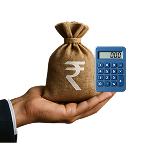
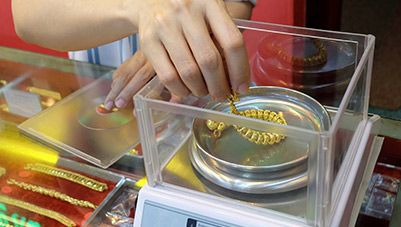
How to calculate the value of your gold
You can estimate the value of your gold using three simple details:
- Gold weight (in grams)
- Gold purity (18K, 22K, or 24K)
- Applicable gold rate per gram
Formula: Gold Value = Gold Weight × Gold Rate per Gram
Example: If you have 20 grams of 22K gold and today's gold rate is Rs. 13,300 per gram:
20 × Rs. 13,300 = Rs. 2,66,000
This gives you the estimated market value of your gold. However, the gold loan amount you may receive depends on factors such as the lender's valuation, the purity of the pledged gold, and the applicable Loan-to-Value (LTV) ratio.
How do gold rates affect gold investments?
Gold rates directly affect the value of gold investments. When gold prices increase, the value of physical gold, Gold ETFs, and Sovereign Gold Bonds generally rises. When gold prices fall, the value of these investments may also decrease. Tracking gold prices can help you make informed investment decisions.