Gold Rate Today in Jammu and Kashmir

Significance of the gold price in Jammu and Kashmir

The gold price in Jammu and Kashmir plays an important role in both daily life and the local economy. For many people, gold is not just jewellery—it is a way to save and invest for the future. Here is why gold prices matter so much in the region:


  • Affects purchasing power: When gold prices rise, buying jewellery or coins becomes more expensive for consumers.
  • Influences local markets: High gold rates can slow down jewellery sales, especially during wedding or festive seasons.
  • Driven by global and local trends: Changes in the global economy, currency rates, and local demand all impact prices.
  • Guides investment decisions: Investors keep track of gold prices to plan secure investments.
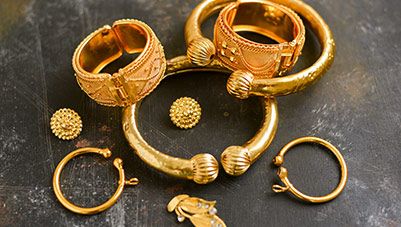
  • Cultural and traditional value: Gold remains essential in celebrations, weddings, and rituals across Jammu and Kashmir.

How is 22 carat gold different from 24 carat gold in Jammu and Kashmir?

The main difference between 22 carat and 24 carat gold in Jammu and Kashmir lies in their purity and use. 24 carat gold is the purest form, containing almost 99.9% gold, making it soft and ideal for coins or bars. On the other hand, 22 carat gold has about 91.6% gold mixed with metals like copper or silver, which gives it extra strength. That is why most people in Jammu and Kashmir prefer 22 carat gold for jewellery, as it is durable enough for daily wear while still retaining a beautiful shine. So, if you are buying gold ornaments, 22 carat is perfect, while 24 carat suits those looking for investment-grade purity.
 

22 karats vs 24 karats vs 18 Karats gold purity in Jammu and Kashmir

Gold in Jammu and Kashmir holds deep emotional and cultural value. From weddings to festivals, it is a part of almost every celebration. But not all gold is the same — its purity levels vary, and understanding the difference helps you make smarter buying or investment decisions. Here is a simple comparison of 22 karat, 24 karat, and 18 karat gold to help you choose the right one.
 

Difference factors24 Karat Gold22 Karat Gold18 Karat Gold
Purity level99.9% pure gold91.6% pure gold (mixed with small amounts of metals)75% pure gold (mixed with other metals like copper or silver)
DurabilityVery soft and easily bendableMore durable and suitable for daily wear jewelleryMost durable and ideal for heavy or designer jewellery
Common useInvestment and gold coinsTraditional jewelleryModern and designer jewellery
PriceHighest due to puritySlightly lowerMost affordable
ColourBright yellowSlightly duller yellowVaries from yellow to rose or white gold

In Jammu and Kashmir, 22 karat gold is the most preferred choice for jewellery because it combines purity with strength, making it perfect for intricate traditional designs. 


Pro tip: Got gold jewellery lying idle? Put it to work—check your gold loan eligibility and unlock its true value today.


Techniques to check the purity of gold in Jammu and Kashmir

Checking the purity of gold is an important step before purchasing or pledging it, especially in Jammu and Kashmir, where gold is both a cultural symbol and a financial asset. Here are some easy and effective ways to verify gold purity:
 

  • Look for the BIS hallmark: The Bureau of Indian Standards (BIS) hallmark is an official stamp of purity. It includes details like the karat, the BIS logo, and the jeweller’s identification number, assuring buyers that the gold meets Indian quality standards.
  • Check the karat marking: Every piece of real gold jewellery carries markings like 22K, 24K, or 18K. These indicate the percentage of pure gold used, helping you understand its actual value.
  • Do a magnet test: Pure gold is non-magnetic. If your gold jewellery is attracted to a magnet, it may contain other metals or impurities.
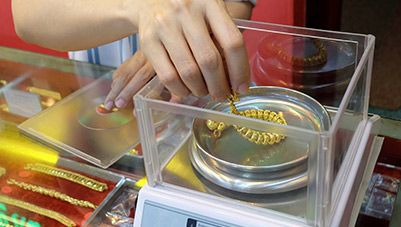
  • Professional testing at a jeweller: Reputed jewellers in Jammu and Kashmir use advanced machines like the XRF (X-Ray Fluorescence) analyser to determine exact purity levels without damaging your jewellery.
  • Use a nitric acid test: In this method, a small drop of acid is applied to gold. Real gold remains unaffected, while fake gold reacts or discolours, helping you identify authenticity.
  • Observe colour and shine: Pure gold has a natural, rich yellow hue and soft texture. If the jewellery appears too shiny or dull, it may not be entirely pure gold. 

1 pavan gold price in Jammu and Kashmir

The price of 1 pavan (8 grams) of gold in Jammu and Kashmir is influenced by multiple factors.
 

  • Gold rates fluctuate daily based on market conditions.
  • Global gold prices directly affect the local 1 pavan rate.
  • Demand for gold during festivals and weddings increases prices.
  • Taxes and import duties also impact 1 pavan prices.
  • 1 pavan is a popular measurement for jewellery purchases.
  • Local jewellers adjust prices based on international rates.
  • Buyers should regularly check 1 pavan prices before investing. 

Things to know before investing in gold in Jammu and Kashmir

Investing in gold requires careful consideration of various factors. Here's what you should know before purchasing gold in Jammu and Kashmir.
 

  • Gold purity: Ensure you are buying hallmarked gold.
  • Market trends: Analyse global and local gold price movements.
  • Type of gold: Decide whether to invest in coins, bars, or jewellery.
  • Gold storage: Safeguard your gold in secure lockers or banks.
  • Price fluctuations: Be prepared for market changes affecting your investment.
  • Jeweller reputation: Buy from trusted sellers to avoid fraud.
  • Gold loan option: Consider the possibility of using gold for loans if needed. 
     

What do I need to know when I am buying gold jewellery for the first time in Jammu and Kashmir?

Buying gold jewellery for the first time can be overwhelming. Here are essential things to consider in Jammu and Kashmir.
 

  • Gold purity: Check whether the gold is hallmarked.
  • Carat choice: Choose between 18, 22, or 24 carat gold based on usage.
  • Jewellery design: Pick designs that suit your needs and preferences.
  • Making charges: Always inquire about additional making charges.
  • Buy from reputable stores: Opt for well-known jewellers for authenticity.
  • Gold certification: Ensure the jewellery comes with proper certification.
  • Return policy: Check if the jeweller offers buy-back options.
     

Why do people in Jammu and Kashmir buy and sell gold coins?

  • Investment security: Gold coins are seen as a safe and stable investment option.
  • Gift tradition: Gold coins are often bought as gifts for weddings and festivals in the region.
  • Resale value: Gold coins have high resale value, making them a preferred asset for liquidity.
  • Purity assurance: Coins are typically made from 24 carat gold, ensuring high purity.
  • Tax benefits: Buying gold coins may offer tax exemptions under certain conditions.
     

Quick tip: Curious about your loan eligibility? Enter your mobile number to see how much you can get for your gold.


Factors that affect gold rate in Jammu and Kashmir

  • Global market trends: International gold prices heavily influence local rates.
  • Currency fluctuations: The value of the Indian rupee against the dollar affects gold rates.
  • Inflation: Higher inflation drives the demand for gold as a hedge, impacting its price.
  • Local demand: Festive and wedding seasons see an increase in demand, raising gold rates.
  • Government policies: Changes in import duties and regulations affect gold prices in the region.
     

Why today's gold rates in Jammu and Kashmir are different from yesterday’s gold rates?

  • Global influences: International price shifts affect daily gold rates in Jammu and Kashmir.
  • Currency exchange rates: Fluctuations in the rupee's value against the dollar lead to rate changes.
  • Market demand: Local demand can drive slight daily variations in the gold rate.
  • Inflation: Inflationary pressures can lead to short-term fluctuations in gold prices.
  • Government actions: Adjustments in tax policies or import duties impact daily gold rates.

How are gold prices determined in Jammu and Kashmir?

  • Global gold rates: International market prices set the foundation for local gold rates.
  • Local taxes: Jammu and Kashmir-specific taxes contribute to the final gold price.

  • Currency value: The strength or weakness of the Indian rupee impacts the price of gold.
  • Supply and demand: Local gold demand versus supply plays a role in price determination.
  • Inflation and economy: Economic conditions and inflation in India impact gold prices in Jammu and Kashmir.

What are taxes on gold in Jammu and Kashmir?

  • GST on gold: A 3% Goods and Services Tax (GST) is applicable on gold purchases.
  • Import duty: Gold attracts an import duty, which is factored into the final price.

  • Making charges: Making charges on jewellery can attract additional taxes.
  • Capital gains tax: If you sell gold at a profit, it may attract capital gains tax.
  • Wealth tax: Large gold holdings may be subject to wealth tax under certain conditions.
     

What happens to damaged gold jewellery in Jammu and Kashmir?

  • Resale value: Damaged gold jewellery can still be sold for its melt value.

  • Jeweller repairs: Most jewellers offer repair services to restore the original design.

  • Exchange option: Damaged gold can often be exchanged for new jewellery at jewellery stores.
  • Purity check: A purity test is usually conducted before damaged jewellery is exchanged or sold.
  • Melt and reuse: The gold can be melted and reused for new designs or bars.

Impact of gold rates on gold loans in Jammu and Kashmir

  • Loan amount: Higher gold rates allow for a larger loan amount when using gold as collateral.
  • Interest rates: Gold loan interest rates may fluctuate with changes in gold prices.
  • Repayment value: Fluctuations in gold prices can affect the overall loan repayment value.

  • Collateral value: Rising gold prices increase the value of your gold collateral.
  • Loan eligibility: The fluctuating gold price affects your loan eligibility based on the gold’s current value.

Where to get gold loan in Jammu and Kashmir?

With Bajaj Finserv Gold Loan, you can avail of a loan ranging from Rs. 5,000 up to Rs. 2 crore, along with competitive interest rates, fast processing, and free insurance for your gold. We provide a high loan-to-value ratio, ensuring you receive the maximum loan amount to manage your expenses with ease. The loan offers a simple application process, minimal documentation, and straightforward eligibility criteria. You also have the flexibility to repay the interest on a monthly, bi-monthly, quarterly, half-yearly, or annual basis, depending on your financial situation. With complimentary insurance coverage for your pledged gold jewellery and secure storage, your gold is kept safe. These advantages make Bajaj Finance an excellent choice for gold loans in Jammu and Kashmir.


It takes just 2 steps to check your eligibility for a Bajaj Finserv Gold Loan. Enter your mobile number now.
 

Know more about gold rates in Indian states and Union Territories 


Gold rate DelhiGold rate in Tamil NaduGold rate in Andhra Pradesh
Gold rate in RajasthanGold rate in KarnatakaGold rate in Maharashtra
Gold rate in TripuraGold rate in ChhattisgarhGold rate in Bihar
Gold rate in ChandigarhGold rate in Himachal PradeshGold rate in Haryana

Know more about gold rate in other cities 


Gold Rate in MaldaGold Rate in BaripadaGold Rate in Guwahati
Gold Rate in KanchipuramGold Rate in MohaliGold Rate in Tiruvannamalai
Gold Rate in SilcharGold Rate in PathankotGold Rate in Kakinada
Gold Rate in ParbhaniGold Rate In PanchkulaGold Rate in Moga
Gold Rate in SambalpurGold Rate in PalwalGold Rate in Port Blair
Gold Rate in KaraikudiGold Rate in SagarGold Rate in Kavali
Gold Rate in NagapattinamGold Rate in JindGold Rate in Samastipur
Show More Show Less

Disclaimer

Bajaj Finance Limited has the sole and absolute discretion, without assigning any reason to accept or reject any application. Terms and conditions apply*.