Factors that affect 916 gold price in Khammam
The 916 gold price in Khammam (22-karat gold) is influenced by a combination of global and local factors. Understanding these can help you make informed buying or loan decisions:
- Global gold prices: International gold market movements directly affect the local 916 gold rate in Khammam. Higher global demand or price hikes usually increase local rates.
- Currency fluctuations: Changes in the Indian Rupee against the US Dollar impact prices, as India imports most of its gold. A weaker rupee generally raises local gold costs.
- Local demand: Festivals, weddings, and peak buying seasons in Khammam can temporarily push gold rates higher.
- Government taxes and duties: GST, import duties, and state-specific levies influence the final price.
- Economic and geopolitical events: Inflation, economic instability, or international conflicts can affect gold’s safe-haven demand, altering rates.
- Jeweller premiums: Local jewellers may add making charges, wastage, or minor premiums, impacting the rate you pay.
These factors together determine how the 916 gold price fluctuates day to day in Khammam.
What is the difference between 18K, 22K and 24K gold?
The main difference between 18K, 22K and 24K gold is their purity and the amount of other metals mixed with gold. Higher karat values indicate higher gold purity. Here is how they compare:
- 18K gold: Contains 75% pure gold and 25% other metals. Its added strength makes it suitable for diamond jewellery and everyday wear.
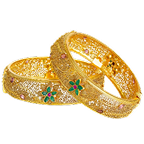
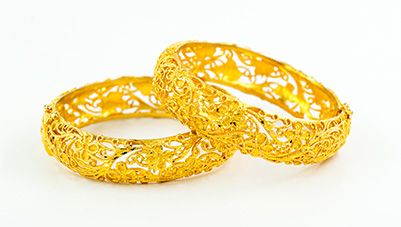
- 22K gold: Contains 91.6% pure gold and is commonly known as 916 gold. It is a popular choice for traditional and wedding jewellery in Khammam because it offers a balance between purity and durability.
- 24K gold: Contains 99.9% pure gold. It is softer than lower-karat gold and is commonly used for investment products such as gold coins and bars rather than everyday jewellery.
| Feature | 18K gold | 22K gold (916) | 24K gold |
|---|
| Purity | 75% | 91.6% | 99.9% |
| Best suited for | Daily-wear and diamond jewellery | Traditional and wedding jewellery | Investment |
| Durability | Higher | Moderate | Lower |
| Gold content | Lower | Higher | Highest |
| Common use | Modern jewellery | Traditional jewellery | Coins and bars |
Last updated: November 2026
Knowing the difference between these gold purities can help buyers in Khammam choose jewellery that suits their preferences, budget and intended use.
Techniques to check the purity of 916 gold in Khammam
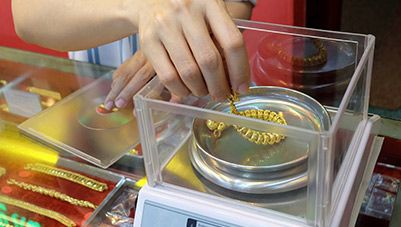
Ensuring the purity of 916 gold in Khammam is crucial for buyers. Here are some reliable techniques to check the authenticity of 916 gold:
- Hallmarking: Look for the BIS (Bureau of Indian Standards) hallmark on the jewellery, indicating it has been verified for purity.
- Acid test: A small drop of acid is applied to the gold surface to observe colour changes, indicating the metal's purity.
- XRF machine: Jewellers often use X-ray fluorescence machines to provide a precise analysis of gold purity.
- Magnet test: Pure gold is non-magnetic. If the gold piece is attracted to a magnet, it contains other metals.
- Density test: Pure gold has a specific density (19.32 g/cm³). Comparing the weight of the gold piece to its volume can indicate its purity.
Have gold at home? Find out how much you can borrow. Check your gold loan eligibility in just a few steps.
What is the best investment option in Khammam: Physical gold, gold ETFs, or sovereign gold bonds?
The best gold investment option in Khammam depends on your financial goals and preferences. Physical gold offers tangible ownership but involves storage and security concerns. Gold ETFs provide easy online trading without the need to store gold. Sovereign gold bonds offer exposure to gold prices along with annual interest, without making charges or purity concerns associated with physical gold.