











 Smartphones
 Led TVs
 Refrigerators
 Air Coolers
 Laptops
 Washing Machines
 Savings Offer
 Easy EMI Loan
 Personal Loan
 Check Eligibility
 Salaried Personal Loan
 EMI Calculator
 Bajaj Pay
 Wallet to Bank
 Refer & Earn
 Mobile Recharge
 Buy FASTag
 Bill Payments & Other Recharges
 Wallet
 Deals starting @99
 Min. 50% off
 Personal Loan
 Gold Loan
 Business Loan
 Loan for Doctors
 Home Loan
 Secured Business Loan
 Loan Against Property
 Loan Against Shares
 Loan for Chartered Accountants
 Medical Equipment Finance
 Loan Against Property Balance Transfer
 Home Loan Balance Transfer
 Commercial property loan
 Loan Against Mutual Funds
 Loan Against Insurance Policy
 ESOP Financing
 Easy EMI Loan
 Buy a Used Car
 New Tractor Loan
 Two-wheeler Loan
 Loan Against Car
 Car Loan Balance Transfer and Top-up
 New Car Loan
 Loan for Lawyer
 Secured Business Loan Balance Transfer
 Industrial Equipment Finance
 Industrial Equipment Balance Transfer
 Industrial Equipment Refinance
 Used Car Loan
 Personal Loan Branch Locator
 Used Tractor Loan
 Loan Against Tractor
 Tractor Loan Balance Transfer
 Flexi
Flexi Check Loan Offer
 View All
 Two-wheeler Loan
 Bike
Bike Commuter Bike
 Sports Bike
 Tourer Bike
 Cruiser Bike
 Adventure Bike
 Scooter
 Electric Vehicle
 Best Sellers
 Popular Brands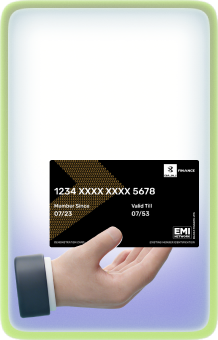
 Insta EMI Card
 Open Demat Account
 Trading Account
 Margin Trading Facility
 Share Market
 Invest in IPO
 All stocks
 Top gainers
 Top losers
 52 week high
 52 week low
 Loan against shares
 Home Loan
 Transfer your existing Home loan
 Loan against Property
 Home Loan for Salaried
 Home loan for self employed
 Commercial property loan
 Loan Against Property Balance Transfer
 Home Loan EMI Calculator
 Home Loan eligibility calculator
 Home Loan balance transfer
 View All
 Health Insurance
 Term Life Insurance
 ULIP Plan
 Savings Plan
 Family Insurance
 Senior Citizen Health Insurance
 Critical Illness Insurance
 Child Health Insurance
 Pregnancy and Maternity Health Insurance
 Individual Health Insurance
 Low Income Health Insurance
 Student Health Insurance
 Group Health Insurance
 Retirement Plans
 Child Plans
 Investment Plans
 Wallet Care
 Wallet care entertainment+
 Personal Accident Care
 EMI/SIP Cover
 Health Prime Max
 Fonesafe Lite
 Mobile Protect
 Wallet Protekt
 Dengue Cover
 Niva Bupa Health Plus
 Health Plus Hospital Cash
 Four Wheeler Insurance
 Business Loan
 Secured Business Loan
 Loan against property
 Loans against property balance transfer
 Loan for Doctors
 Loan for Chartered Accountants
 Loan for Lawyers
 Loan against shares
 Home Loan
 Loans against mutual funds
 Loan against bonds
 Loan against insurance policy
 Apply for Gold Loan
 Transfer your Gold Loan with Us
 Chat with Us
 Gold Loan Branch Locator
 Fixed Deposit
 Renew Fixed Deposit
 ULIP Plan
 Savings Plan
 Retirement Plans
 Child Plans
 Free Demat Account
 Invest in Stocks
 Invest in IPO
 Margin Trading Facility
 Equity Mutual Funds
 Debt Mutual Funds
 Hybrid Mutual Funds
 New Fund Offers
 Open Mutual Fund Account
 Fixed Deposit Branch Locator
 New Car Loan
 Used Car Loan
 Loan Against Car
 Car Loan Balance Transfer and Top-up
 My Garage
 Get Bajaj Prime
 Mobiles on EMI
 AC on EMI
 Air Cooler on EMI
 Refrigerator on EMI
 LED TV on EMI
 Kitchen appliances on EMI
 Washing machines
 Electronics on EMI
 Personal Loan EMI Calculator
 Personal Loan Eligibility Calculator
 Home Loan EMI Calculator
 Home Loan Eligibility Calculator
 Good & Service Tax (GST) Calculator
 Flexi Day Wise Interest Calculator
 Flexi Transaction Calculator
 Secured Business Loan Eligibility Calculator
 Fixed Deposits Interest Calculator
 Two wheeler Loan EMI Calculator
 New Car Loan EMI Calculator
 Used Car Loan EMI Calculator
 All Calculator
 Used Tractor Loan EMI Calculator
 Hot Deals
 Kitchen Appliances
 Tyres
Tyres Camera & Accessories
 Mattresses
 Furniture
 Watches
 Music & Audio
 Cycles
 Mixer & Grinder
 Fitness Equipment
 Fans
Fans
 Personal Loan for Doctors
 Business loan for Doctors
 Home Loan
 Secured Business Loan
 Loan against property
 Secured Business Loan Balance Transfer
 Loan against share
 Gold Loan
 Medical Equipment Finance
 Smart Hub
 ITR Service
 Digi Sarkar
 Savings Offer
 Easy EMI
 Offer World
 1 EMI OFF
 New Launches
 Zero Down Payment
 Clearance Sale
 Bajaj Mall Sale
 Mobiles under ₹20,000
 Mobiles under ₹25,000
 Mobiles under ₹30,000
 Mobiles under ₹35,000
 Mobiles under ₹40,000
 Mobiles under ₹50,000
 Articles
 Overdue Payments
 Other Payments
 Document Center
 Bank details & Documents
 Tax Invoice Certificate
 Do Not Call Service
 Hamara Mall Orders
 Your Orders
 Explore Bajaj Prime
 Explore Rewards
 Buy Deals & Gift cards
 Fixed Deposit (IFA) Partner
 Loan (DSA) Partner
 Debt Management Partner
 EMI Network Partner
 Became a Merchant
 Partner Sign-in
 Trade directly with your Demat A/c
 ITR
ITR My Garage
 Video Wall
 Live Videos
 Savings Offer
 Smartphones
 LED TVs
 Refrigerators
 Air Coolers
 Laptops
 Washing Machines
 Water Purifiers
 Tablets
 Kitchen Appliances
 Mattresses
 Furniture
 Music and Audio
 Cameras & Accessories
 Cycle
Cycle Watches
 Tyres
Tyres Luggage & Travel
 Fitness Equipment
 Tractor
 Easy EMI Loan
 vivo Mobiles
 OPPO Mobiles
 Bluestar ACs
 Sony LED TVs
 Voltas ACs
 LG ACs
 Aisen Air Coolers
 Godrej Air Coolers
 Lloyd Air Coolers
 New Tractor Loan
 Used Tractor Loan
 Loan Against Tractor
 Tractor Loan Balance Transfer
 New Car Loan
 New Cars Under ₹10 Lakh
 New Cars – ₹10–₹15 Lakh
 New Cars – ₹15–₹20 Lakh
 New Cars – ₹20–₹25 Lakh
 New Car Brands
 Petrol – New Cars
 Diesel – New Cars
 Electric – New Cars
 CNG – New Cars
 Hybrid – New Cars




Calculator

FAQs

Videos
Rs. 5,000 - Rs. 2 crore
To find the nearest gold loan branch,
Enter phone and OTP | Check amount you can get | Apply for quick funds
Understanding gold wastage in jewellery making
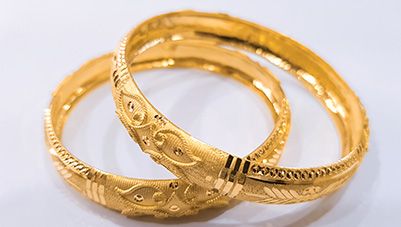
Gold has always been an important part of Indian culture, symbolising wealth, prosperity, and celebration. But when gold jewellery is made, a small portion of the metal gets lost in the process — this is called gold wastage. It usually ranges between 3% and 20% and can affect the final price you pay for your jewellery.
What is wastage in gold and why does it matter?
Gold wastage refers to the small amount of gold lost while crafting jewellery. This happens during steps like melting, cutting, soldering, or shaping the metal. Even though the loss is tiny, it matters because jewellers include this wastage as an extra cost, usually added as a percentage over the gold’s weight. Knowing about gold wastage helps you compare prices better, ensures transparency, and prevents you from overpaying when buying your favourite piece of jewellery.
How to calculate waste in gold?
Calculating waste in gold involves determining the amount of gold lost during the jewellery-making process. This is generally expressed as a percentage of the total gold used. To calculate it, jewellers first measure the weight of the gold before the crafting process. After the jewellery is made, the weight of the finished piece is compared to the initial weight. The difference in these two weights represents the wastage. For example, if 10 grams of gold is used initially, and the final jewellery weighs 9.5 grams, the wastage is 0.5 grams. The wastage percentage is then calculated by dividing the lost weight by the initial weight and multiplying by 100. Understanding this calculation helps consumers verify the wastage charges applied by jewellers.
Formulae for calculating wastage in gold
Calculating wastage in gold requires the use of a simple formula to determine the percentage of gold lost during jewellery crafting. The formula is:
Wastage Percentage = (Initial Weight - Final Weight) / Initial Weight × 100
For instance, if a jeweller starts with 20 grams of gold and the final product weighs 19 grams, the wastage can be calculated as follows:
Wastage Percentage = (20g - 19g) / 20g × 100 = 5%
This formula provides an accurate measure of the gold lost during production, which jewellers often pass on to the consumer in the form of additional charges. By understanding this formula, consumers can ensure transparency in their gold purchases and avoid overpaying for wastage.
How to determine wastage in gold jewellery?
Determining wastage in gold jewellery involves assessing the difference between the initial weight of gold and the final product. When gold is crafted into jewellery, a portion is lost in the process, known as wastage. To determine this wastage, one must weigh the gold before and after crafting. The difference in these weights indicates the amount of wastage. For example, if you start with 15 grams of gold and the finished jewellery weighs 14.5 grams, the wastage is 0.5 grams. This difference is usually expressed as a percentage, which can be calculated using the formula:
Wastage Percentage = (Initial Weight - Final Weight) / Initial Weight × 100
Knowing how to determine wastage allows consumers to better understand the costs associated with gold jewellery and ensures they are charged fairly by jewellers.
Pro tip: Get the value your gold deserves. Check your gold loan eligibility and see how much you can avail based on purity and weight.
How to minimize wastage in gold?
Minimising wastage in gold is essential to reduce costs and ensure efficient use of the precious metal. One effective way to achieve this is by employing skilled craftsmen who have expertise in handling gold with precision. Using advanced tools and techniques can also significantly lower wastage during the jewellery-making process. Additionally, recycling gold scraps from previous projects and incorporating them into new designs can help minimise loss. It's also crucial to maintain strict quality control throughout the production process to ensure that every step is optimised for minimal wastage. By taking these measures, jewellers can reduce overall wastage, resulting in more cost-effective production and fairer pricing for consumers.
Practical tips for calculating gold wastage percentage
Calculating gold wastage percentage accurately requires a clear understanding of the process and careful measurement. Start by precisely weighing the gold before and after the jewellery is crafted. Use a high-precision digital scale for accurate measurements. Once you have the initial and final weights, apply the wastage formula:
Wastage Percentage = (Initial Weight - Final Weight) / Initial Weight × 100
Ensure that you account for any additional materials used, such as solder, that may affect the final weight. It's also helpful to cross-check with the jeweller’s wastage percentage to ensure transparency. By following these tips, consumers can better understand the costs associated with gold wastage and make informed decisions when purchasing jewellery.
Impact of gold wastage on gold prices
Gold wastage has a direct impact on gold prices, particularly when purchasing jewellery. The amount of gold lost during crafting is often added to the final cost, leading to higher prices for consumers. Jewellers typically charge a percentage of the gold's weight as a wastage fee, which can vary depending on the complexity of the design and the craftsmanship involved. This fee increases the overall price of the jewellery, making it essential for consumers to understand how wastage is calculated and charged. Higher wastage rates can significantly affect the final price, especially in intricate designs, making it crucial for buyers to be aware of this factor when comparing prices across different jewellers.
How to include wastage in gold loan calculations?
When calculating a loan against gold, it's important to factor in the wastage to determine the accurate value of the gold. Wastage refers to the portion of gold lost during the crafting process, and this can affect the overall weight of the gold jewellery being pledged for a loan. To include wastage in the calculation, subtract the wastage percentage from the total weight of the gold. For example, if your jewellery weighs 50 grams and has a wastage rate of 5%, the net weight considered for the loan will be 47.5 grams. This adjusted weight is then multiplied by the current gold loan rate to determine the loan amount. Using a gold loan calculator that includes the option to account for wastage can simplify this process and ensure you receive an accurate loan amount.
Wondering how much you can borrow on your gold? Just check your gold loan eligibility—it takes seconds and minimal paperwork!
Tools and resources for calculating gold wastage
Several tools and resources are available to help calculate gold wastage accurately. High-precision digital scales are essential for measuring the initial and final weight of gold to determine the amount of wastage. Additionally, online gold wastage calculators can simplify the process by allowing users to input the initial and final weights, automatically calculating the wastage percentage. Jewellers often use specialised software that factors in wastage during the design and crafting process, ensuring accurate pricing. Educational resources, such as articles and videos, are also available online to help consumers understand the importance of wastage and how to calculate it. These tools and resources are invaluable for both jewellers and consumers to ensure transparency in gold transactions.
Not your nearest branch?

Latest RBI updates
Section | Parameter | Applicable Details |
Eligibility Criteria | Gold purity accepted | 18-22 Karat for jewellery and ornaments |
24 karat for gold coins | ||
Eligible collateral types | Gold ornaments, jewellery, and coins | |
Eligible limit for each collateral type | Ornaments | Total pledged weight across all loans must not exceed 1 kilogram |
Gold coins | The total weight of gold coins pledged cannot be more than 50 grams. | |
Gold Jewellery | As per maximum loan amount. | |
Overall exposure limit | The total loan exposure across ornaments, jewellery, and gold coins together must not exceed the maximum loan limit of Rs. 2 crore. | |
Collateral protection
| Any loss, damage, or discrepancy in the quantity or purity of your pledged gold identified during audit, return, or auction will be recorded and promptly communicated to you or your legal heirs. The reimbursement or compensation process, as per company policy and SOP, will be clearly explained. Delays in collateral release due to lender fault will attract compensation of ₹5,000 per day. | |
Gold loan renewal | Renewal parameter | You can request renewal of your gold loan before maturity if it remains in standard status and within permissible LTV limits. This facility is available only to existing customers. For bullet repayment loans, accrued interest must be cleared. Renewals are subject to credit checks, fresh applicable charges, and are not allowed after maturity. |
Gold loan top up | Top up parameter | Top-up is allowed before maturity, subject to regulatory LTV limits, credit assessment, and customer eligibility. Fresh fees and charges apply. Top-up after maturity is not permitted, even if dues are outstanding. Top up facility is available only to existing users. |
LTV (Loan to Value) | For loans up to Rs.2.5 lakh | 85% |
For loans between more than Rs.2.5 lakh to Rs.5 lakh | 80% | |
For loans from more than Rs. 5lakh to Rs. 2 crore | 75% | |
Gold Value | Evaluation parameter | As per the latest guidelines, gold loans are offered against specific purity of gold jewellery, ornaments and gold coins, valued using lower of the average closing price for your gold's specific purity over the last 30 days or the previous day's closing price, as published by IBJA or a SEBI-regulated commodity exchange, within prescribed limits and subject to KYC and timely repayment. |
Importance of gold purity and its relation to wastage
Gold purity is a critical factor in determining the quality and value of gold, and it is closely related to wastage during jewellery making. Higher purity gold, such as 24-carat gold, is softer and more prone to deformation during crafting, leading to higher wastage rates. In contrast, lower purity gold, such as 18-carat or 22-carat gold, contains other metals that strengthen the alloy, reducing the amount of wastage during the crafting process. Understanding the purity of gold is essential for consumers, as it affects both the durability of the jewellery and the amount of gold lost in wastage. By choosing the appropriate purity level, consumers can manage wastage and ensure they receive value for their purchase.
Related Articles

Disclaimer
Bajaj Finance Limited (BFL) has the sole and absolute discretion, without assigning any reason to accept or reject any application as per BFL policy. *