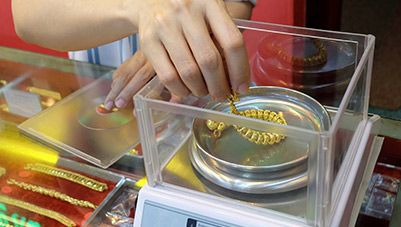
Gold Rate Today in Nagpur


Key takeaways

  • Gold rate today in Nagpur reflects global prices, rupee movements, taxes, and local demand.
  • 24K, 22K, and 18K gold have different rates based on their purity levels.
  • Historical data shows gold prices in Nagpur have generally risen over recent years.
  • Buyers should check hallmarking and purity before purchasing gold jewellery.
  • Gold prices can also influence the eligible amount available against pledged gold.

How is gold price calculated in Nagpur?

Gold prices in Nagpur depend on both Indian and global market factors. Benchmark rates, currency movements, taxes, and trading trends all help shape the final price.

  • IBJA rates: IBJA publishes reference gold prices used by jewellers, lenders, and financial institutions.
  • MCX trends: Gold trading on MCX reflects current market activity and price expectations.
  • Global gold prices: Changes in international gold rates can affect prices in Nagpur.
  • Taxes and duties: Import duty, GST, and other charges add to the final gold price.

Historical gold rate in Nagpur and how have they changed in recent years

Historical gold rates in Nagpur have moved in line with broader trends across India. Prices may rise or fall in the short term due to demand, currency changes, and global events. Over the years, however, gold prices have generally shown an upward trend.

YearPrice 24 carat per 10 grams
2025Rs. 1,05,000 to Rs. 1,30,000
2024Rs. 77,913.00
2023Rs. 65,330.00
2022Rs. 52,670.00
2021Rs. 48,720.00
2020Rs. 48,651.00
2019Rs. 35,220.00
2018Rs. 31,438.00
2017Rs. 29,667.50
2016Rs. 22,543.00

As gold prices in Nagpur continue to shift with global movements, staying informed can give you an advantage. Check your gold loan eligibility today and find out how much you can borrow.

Show More Show Less

Key factors affecting gold rates in Nagpur


The method used to calculate gold prices stays the same every day. The factors that influence the calculation keep changing, and as they change, the gold rate in Nagpur moves up or down.


  • International gold prices: Global gold prices have the biggest impact on local rates. If prices increase in the international market, gold rates in Nagpur usually rise as well.
  • USD-INR exchange rate: Gold is imported into India and traded in US dollars. When the Indian rupee weakens against the dollar, gold becomes more expensive, even if global prices remain the same.
  • RBI policy: The Reserve Bank of India's interest rate decisions affect investment choices. Lower interest rates can increase demand for gold, while higher rates may reduce its appeal.
  • Local demand: Gold demand usually rises during weddings and festivals in Nagpur. Higher demand can lead to small price differences between jewellers.
  • Global market sentiment: During economic uncertainty or geopolitical tensions, investors often buy gold as a safe-haven asset, which pushes prices higher. When markets are stable, prices may soften.

Check your gold loan eligibility and get an instant estimate based on your jewellery. Alongside these market factors, the price you pay or receive also depends on the gold's purity. 24K, 22K, and 18K each carry a different rate and serve a different purpose.



What is the difference between 18K, 22K, and 24K gold?

The karat value tells you how much pure gold a piece contains. Higher karats mean more gold.

  • 18K gold is 75% pure gold. The remaining 25% is other metals, which make it harder and more suitable for daily wear.
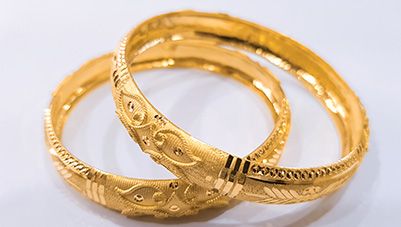
  • 22K gold is 91.6% pure gold. It is the most popular choice for traditional jewellery in Nagpur because it balances purity with durability.

  • 24K gold is 99.9% pure gold. It is too soft for jewellery but ideal for investment in gold coins and bars.

Parameter18K Gold22K Gold24K Gold
Purity75%91.6%99.9%
StrengthHighestHighLower
Common UseDiamond jewellery and daily wear jewelleryTraditional jewelleryInvestment bars and coins
PriceLowestHigherHighest

How to check gold purity in Nagpur

Before buying or pledging gold in Nagpur, it is important to verify its purity. Here are the most reliable methods:


  • BIS Hallmark: Spot hallmarks or purity stamps on the jewellery.
  • Visual inspection: Look for discolouration or fading, which may suggest impurities.
  • Magnetic test: Real gold is not magnetic, so a magnet can help rule out other metals.
  • Nitric acid test: A professional applies nitric acid to check purity through the chemical reaction.
  • Weight and texture check: Pure gold is notably dense and smooth to the touch.


Have gold at home? Find out how much you can borrow. Check your gold loan eligibility in just a few steps.


How can you calculate the value of your gold?

You can estimate the current value of your gold using three simple details:

  • Gold weight
  • Gold purity


    Today's gold rate per gram

Formula


Gold Value = Gold Weight × Gold Rate per Gram


Example: Suppose a customer in Nagpur owns:


  • Weight of gold in grams
  • Current gold rate per gram

Estimated gold value: Weight × Applicable gold rate


This gives the approximate market value of your gold. The final amount offered for a gold loan depends on the applicable LTV ratio, gold purity, and the lender's valuation process.

Now that you know what your gold is worth, find out how much you can borrow. Check your gold loan eligibility online.


 How do gold rates influence gold investments?

Gold prices directly affect the value of gold investments. When gold prices rise, physical gold, Gold ETFs, and Sovereign Gold Bonds generally increase in value. When prices fall, their value may also decline. Each option works differently, but all move with the underlying gold price.


Show More Show Less

Calculate your gold loan

How does the gold price in Nagpur affect your gold loan amount?

The gold price in Nagpur can affect how much you may borrow against your gold. Lenders assess the gold at its current value, not at the price you paid when you bought it. If the applicable gold value rises, the same gold may support a higher loan amount. If it falls, the eligible amount may also reduce.


What decides your eligible loan amount?

Your gold loan amount depends on:

  • Weight of the gold 
  • Purity of the gold 
  • Applicable gold price 
  • Loan-to-Value (LTV) ratio 

Only the actual gold content is considered during valuation. Stones, enamel, beads, and other non-gold parts are not included. Lenders also do not simply use today's headline rate. They use whichever is lower between the previous day's closing price or the 30-day average closing price published by IBJA or a SEBI-regulated commodity exchange. This protects you from a sudden price spike inflating things unrealistically and protects the lender from the opposite.


Please note, the maximum LTV eligible for a loan depends on the loan amount and cannot be more than the limits given. To know more, click here.


Gold loan basics — what you should know before applying

If you need a gold loan in Nagpur, here are the important details to know before you apply. With Bajaj Finance, you can borrow from Rs. 5,000 to Rs. 2 crore against your gold jewellery, ornaments, or gold coins. The gold loan interest rate starts from 9.50% per annum.

Jewellery and ornaments are accepted between 18-22 purity. Gold coins are accepted up to 24 karat purity. Your gold is stored in secured vaults with insurance cover for the entire loan duration. 


Before applying for a gold loan in Nagpur, keep these points in mind:

  • Your loan amount depends on the weight and purity of the gold you pledge, not its original purchase price.
  • Bajaj Finance considers the lower of the previous day’s closing rate or the 30-day average closing rate published by IBJA or a SEBI-regulated commodity exchange.
  • You need only one valid KYC document, such as Aadhaar, Voter ID, passport, driving licence, NREGA job card, or an NPR letter.
  • Interest can be paid monthly, every two months, quarterly, half-yearly, or yearly. The principal and any pending interest are settled at the end of the tenure.
  • There are no foreclosure charges, so you can close the loan early without paying a penalty.

Before applying, use the gold loan calculator to estimate your eligible amount. You can also check your gold loan eligibility online based on the gold rate in Nagpur, along with the purity and weight of your gold.

Show More Show Less

Frequently asked questions

Gold Purchase

Gold Price

Gold Purity

What constitutes gold purchases in Nagpur?

Gold purchases in Nagpur come down to purity, weight, and prevailing market rates, which buyers track closely to ensure genuine, fairly valued gold.
 

It depends on personal preference. Check today's 22K and 24K gold rates in Nagpur to decide based on both purity and price.
 

The price of gold in Nagpur is shaped by global market trends, economic conditions, demand-supply dynamics, and currency fluctuations.
 

Gold purchases attract GST on the gold's value plus an additional GST on making charges, both added by the jeweller at billing.
 

Divide the current 10-gram gold price by 10, multiply by the purity factor (0.916 for 22K), then add applicable taxes and making charges.
 

GST on gold in Nagpur is 3% on the gold's value and an additional 5% on making charges, consistent with rates across India.
 

Gold prices in Nagpur can rise or fall over short periods due to changes in global gold rates, the rupee-dollar exchange rate, inflation, interest rates, and local demand. Wedding and festival buying may also affect demand. Buyers should check the latest rate before purchasing, selling, or pledging gold.

Yes, hallmarked jewellery often costs more, since certified purity makes buyers more willing to pay a premium for guaranteed authenticity.
 

Nagpur's jewellers mainly sell 24 carat, 22 carat, and 18 carat gold, with 22 and 18 carat preferred for jewellery due to better durability.
 

Festivals increase gold demand in Nagpur as buyers purchase jewellery for auspicious occasions, which can push prices slightly upward during those periods.
 

Show More Show Less

Disclaimer

Bajaj Finance Limited (BFL) has the sole and absolute discretion, without assigning any reason to accept or reject any application as per BFL policy. *