









Invest in equities, F&O and upcoming IPOs effortlessly by opening a demat account online. Enjoy a free subscription for the first year with Bajaj Broking

Know the benefits of a demat account
Check Now
Free Demat account in minutes | Low brokerage | Online account opening
Fear and greed can influence trading decisions, but investors can manage these emotions through discipline, planning, and regular self-assessment. Following a structured process helps reduce impulsive actions and improves decision-making during volatile market conditions.
Key points:
- Fear may lead to hesitation, panic selling, or the avoidance of opportunities.
- Greed may result in overtrading, excessive risk-taking, or unrealistic profit expectations.
- A trading plan provides a framework for making objective decisions.
- Spending limits help control losses and prevent emotional reactions.
- Maintaining a trading journal supports accountability and performance reviews.
- Regular learning and market research encourage informed decision-making.
- Avoiding quick-profit schemes can help investors focus on long-term goals.
- Consistent habits and patience contribute to a more balanced trading mindset.
Show More
Show Less
Current IPO
Mainboard
SME

HORIZON INDUSTRIAL PARKS LIMITED
PRE-APPLY
Bidding period
19 Aug 2026- 17 Aug 2026
Minimum investment
₹14,250 / 13 Lot

LALITHAA JEWELLERY MART LIMITED
PRE-APPLY
Bidding period
19 Aug 2026- 17 Aug 2026
Minimum investment
₹14,060 / 13 Lot

SHANKESH JEWELLERS LIMITED
PRE-APPLY
Bidding period
20 Aug 2026- 18 Aug 2026
Minimum investment
₹14,080 / 13 Lot

SUNSHINE PICTURES LIMITED
PRE-APPLY
Bidding period
20 Aug 2026- 18 Aug 2026
Minimum investment
₹14,022 / 13 Lot

GAJA ALTERNATIVE ASSET MANAGEMENT LIMITED
PRE-APPLY
Bidding period
21 Aug 2026- 19 Aug 2026
Minimum investment
₹14,136 / 13 Lot

CREDENT CONNECT N CARE LIMITED IPO
Bidding period
13 Aug 2026 -
17 Aug 2026
Minimum investment
₹1,07,400 / 1 Lot

ENS ENTERPRISES LIMITED IPO
Bidding period
14 Aug 2026 -
18 Aug 2026
Minimum investment
₹1,04,400 / 1 Lot

SKYTECH INFINITE PLATFORM LIMITED IPO
Bidding period
14 Aug 2026 -
18 Aug 2026
Minimum investment
₹1,16,800 / 1 Lot

TECHNOCRATS PLASMA SYSTEMS LIMITED IPO
Bidding period
14 Aug 2026 -
18 Aug 2026
Minimum investment
₹1,25,000 / 1 Lot

FASCINATE TEXTILES LIMITED IPO
Bidding period
11 Aug 2026 -
19 Aug 2026
Minimum investment
₹1,13,600 / 1 Lot
Why do fear and greed affect trading decisions?
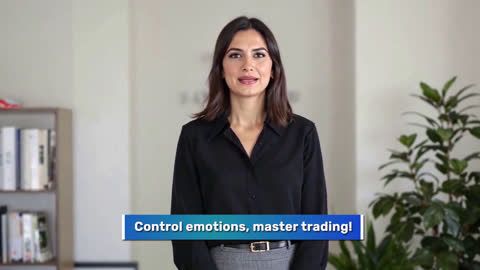
How can I manage fear and greed?
Fear and greed are among the strongest emotions experienced by traders and investors. They can influence judgement, decision-making, and risk-taking behaviour.
While some level of emotion is natural, excessive fear or greed can result in actions that are inconsistent with an investor's strategy. Understanding these emotions is the first step towards managing them effectively.
Successful investing often depends on maintaining a balance between caution and confidence. When emotions become dominant, investors may struggle to follow their plans and make objective decisions.
Show More
Show Less
Start investing today

Open Demat Account
Open Trading Account

Margin Trading Facility
What is fear in investing?
Fear is closely linked to the human fight-or-flight response. It typically appears when investors worry about losing money, making mistakes, or underperforming in the market.
A moderate level of fear can be useful because it encourages caution and thoughtful decision-making. It may help investors avoid unnecessary risks and remain aware of potential losses.
However, excessive fear can become a problem. Investors who allow fear to dominate their decisions may hesitate to act, exit positions prematurely, or avoid opportunities that align with their investment strategy.
When can fear become harmful?
Fear may affect trading behaviour in several ways:
- Panic selling during market declines
- Avoiding investments despite adequate research
- Constantly second-guessing decisions
- Exiting trades too early
Focusing excessively on potential losses
Recognising these behaviours can help investors identify when fear is influencing their decisions.
Show More
Show Less
Upcoming IPO
Mainboard
SME
Aarvee Engineering Consultants Limited
Bidding
To
be announced
Price
To be announced
Absolute Project India Limited
Bidding
To
be announced
Price
To be announced
AceVector Limited
Bidding
To
be announced
Price
To be announced
Adroit Industries India Limited
Bidding
To
be announced
Price
To be announced
Advanced SysTek Limited
Bidding
To
be announced
Price
To be announced
What is greed in investing?
Greed refers to the desire for more profits, often beyond realistic expectations. In investing, greed can emerge when investors become focused on maximising gains as quickly as possible.
Like fear, greed is not always harmful. A reasonable desire to grow investments can encourage participation in the market and support long-term financial goals.
Problems arise when greed becomes excessive. Investors may ignore risk management principles, increase position sizes unnecessarily, or continue trading despite already achieving their objectives.
How can greed affect investors?
Excessive greed may lead to:
- Overtrading
- Taking unnecessary risks
- Ignoring trading plans
- Chasing quick profits
Becoming overconfident
These behaviours can expose investors to larger losses and increase emotional stress.
Show More
Show Less
Features and Benefits of LAS

Tenure 36 months
Flexible repayment from 7 days to 36 months

1000+ shares
Get 50% value on 1000+ shares

All DP shares available
All companies’ and DPs’ Demat accounts accepted for loans

Customer portal
Handle loans, shares, and statements — all in one place
How do you manage fear and greed in investing?
Managing emotions requires consistent habits and a structured approach to investing. The following strategies can help investors remain disciplined.
Setting a definitive plan
Investors should establish a clear trading or investment plan before entering the market. A predefined strategy provides direction and reduces the likelihood of emotional decision-making.
When market conditions become uncertain, a plan acts as a reference point that helps investors remain focused on their objectives rather than reacting impulsively.
Following a plan consistently can improve discipline and reduce the influence of fear and greed.
Setting spending limits
Risk management is an important part of emotional control. Establishing limits on how much capital can be invested or lost helps investors avoid making decisions driven by panic or excitement.
Spending limits create boundaries that prevent excessive risk-taking and support more measured decision-making.
They can also encourage investors to reassess situations before increasing exposure to market risks.
Learning through regular trading and research
Experience can help investors develop confidence and emotional stability. Regular participation in the market allows investors to understand different market conditions and improve their decision-making skills.
Investors can also benefit from:
- Studying historical market trends
- Following financial news
- Learning new investment techniques
- Reviewing market behaviour
Continuous learning promotes analytical thinking and can reduce emotionally driven decisions.
Maintaining a trading journal
A trading journal helps investors record their decisions, outcomes, and observations. Reviewing these records can reveal patterns in behaviour and identify emotional triggers.
Keeping detailed notes encourages accountability and provides valuable insights into both successful and unsuccessful trades.
Over time, a journal can help investors improve their discipline and refine their strategies.
Avoiding myths and quick-profit schemes
Many investors are attracted to promises of rapid wealth creation. Emotional decision-making, especially greed, can make such opportunities appear appealing.
However, financial markets are inherently uncertain, and no strategy can guarantee profits. Investors should rely on research, patience, and analysis rather than speculative claims.
Maintaining realistic expectations can help reduce emotional pressure and support more balanced investment decisions.
Conclusion
Fear and greed are natural emotions that affect nearly every investor at some stage of their market journey. While a moderate level of caution or ambition can be beneficial, excessive fear and greed often result in impulsive decisions that may negatively affect investment outcomes.
Investors can manage these emotions by following a definitive trading plan, setting clear spending limits, maintaining a trading journal, and continuously improving their market knowledge. Avoiding unrealistic expectations and quick-profit schemes can further support disciplined decision-making.
Over time, developing strong trading habits and emotional awareness can help investors remain focused on analysis, risk management, and long-term objectives. By keeping emotions under control, investors can make more consistent decisions and navigate market volatility with greater confidence.
Pro Tip
Top Investment Options for You




Related Articles

Frequently Asked Questions
How to Manage Fear and Greed in Trading
How to Manage Fear and Greed in Trading
After identifying and addressing your trading mistakes, you can resume investing with a smaller position size. One must aim to achieve a few successful trades to rebuild confidence and gradually increase their trading size. The primary goal here is to regain confidence and minimise further losses rather than focus on maximising profits during this time.
How do I keep myself calm while trading?
There are some effective ways to manage emotions in trading. They should avoid acting on anger, FOMO (fear of missing out), greed, and fear. Deep breathing, taking time outs, following definitive plans, setting spending and losing limits, and recognising signs of revenge trading can help curb emotions.
Disclaimer
Investments in the securities market are subject to market risk, read all related documents carefully before investing.
Broking services offered by Bajaj Financial Securities Limited (Bajaj Broking). Reg Office: Bajaj Auto Limited Complex, Mumbai –Pune Road Akurdi Pune 411035. Corporate Office: Bajaj Financial Securities Limited, 1st Floor, Mantri IT Park, Tower B, Unit No 9 & 10, Viman Nagar, Pune, Maharashtra 411014. SEBI Registration No.: INZ000218931 | BSE Cash/F&O/CDS (Member ID:6706) | NSE Cash/F&O/CDS (Member ID: 90177) | MCX (Member ID: 57680) | DP registration No: IN-DP-418-2019 | CDSL DP No.: 12088600 | NSDL DP No. IN304300 | AMFI Registration No.: ARN –163403.
Details of Compliance Officer: Mr. Harinatha Reddy Muthumula (For Broking/DP/Research) | Email: compliance_sec@bajajbroking.in | Contact No.: 020-4857 4486. For any investor grievances write to compliance_sec@bajajbroking.in/ compliance_dp@bajajbroking.in (DP related)
This content is for educational purpose only. Securities quoted are exemplary and not recommendatory.
Research Services are offered by Bajaj Broking as Research Analyst under SEBI Regn: INH000010043.
For more disclaimer, check here: https://www.bajajbroking.in/disclaimer