Key factors affecting gold rates in Dhule
The gold rate today in Dhule is influenced by global gold prices, currency movements, demand, taxes, interest rates and government policies. Key factors include:
- Global gold prices: Changes in international gold prices can influence domestic gold rates in India, including rates in Dhule.
- Currency exchange rates: Gold is traded internationally in US dollars. Changes in the Indian rupee's value against the US dollar can affect the domestic cost of imported gold.
- Demand and supply: Demand for gold jewellery, coins and bars, along with supply conditions, can influence domestic market prices.
- Inflation and interest rates: Inflation can influence investment demand for gold, while changes in interest rates can affect investor demand and gold prices.
- Government policies and market conditions: Import duties, regulatory changes and investor sentiment can contribute to changes in domestic gold prices.
Purity also affects the value of gold. Learn more about 24 carat gold purity when considering investment products, or 22 carat gold purity when buying jewellery.
If you plan to borrow against eligible gold, check your gold loan eligibility to understand your
What is the difference between 18K, 22K, and 24K gold?
Understanding the gold rate in Dhule for 24 carat today, along with 22K and 18K gold, helps you make informed financial decisions when dealing with deal:
- 18K gold: Contains 75% pure gold, with the remaining 25% consisting of other metals. Its higher alloy content makes it suitable for durable, everyday jewellery.
- 22K gold: Contains 91.6% pure gold, with the remaining 8.4% made up of other metals such as copper or silver. It is commonly used for jewellery.
- 24K gold: Contains 99.9% pure gold and has the highest purity among these grades. Due to its softness, 24K gold is commonly used for coins and bars rather than everyday jewellery.
| Parameter | 18K Gold | 22K Gold | 24K Gold |
|---|
| Purity | 75% | 91.6% | 99.9% |
| Strength | Highest | High | Lower |
| Common Use | Diamond jewellery and daily wear jewellery | Traditional jewellery | Investment bars and coins |
| Price | Lowest | Higher | Highest |
How to check gold purity in Dhule
Before buying or pledging gold in Dhule, it is important to verify its gold purity. Common methods include:
- BIS hallmark: The BIS hallmark provides information about the purity grade of hallmarked gold and includes identifying marks associated with the hallmarking process.
- Acid test: A professional applies an appropriate testing solution to a gold sample and assesses its reaction to estimate purity.
- X-ray fluorescence (XRF): XRF is a non-destructive method that analyses the elemental composition of gold to assess its purity.
- Electronic gold tester: An electronic tester measures the properties of the metal to provide an estimated karat reading.
- Assay testing: An assayer analyses a gold sample to determine its purity. Some assay methods involve processing or melting the sample.
- Density testing: This method compares the measured density of gold with reference values. Stones and other materials in jewellery can affect the result.
For a reliable purity assessment, consult a certified jeweller, hallmarking centre or professional assayer in Dhule.
How can you calculate the value of your gold?
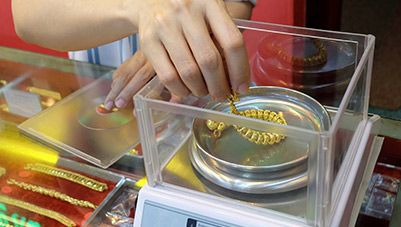
You can estimate the current value of your gold using three simple details:
- Gold weight
- Gold purity
- Today's gold rate per gram
Formula
Gold Value = Gold Weight × Gold Rate per Gram
Example: Suppose a customer in Dhule owns:
- Weight of gold in grams
- Applicable gold rate per gram
Estimated gold value: Weight × Applicable gold rate
This gives you a fair sense of your gold's current market value. The final amount offered for a gold loan depends on the applicable LTV ratio, gold purity, and the lender's valuation process.
Quick tip: Now that you know what your gold is worth, find out how much you can borrow. Check your gold loan eligibility online.
How do gold rates influence gold investments?
Gold prices directly affect the value of gold investments in Dhule. When gold prices rise, the value of physical gold, Gold ETFs, and Sovereign Gold Bonds generally increases. When prices fall, their value may also decline. Although each investment option works differently, all are linked to movements in the underlying gold price.