








Calculator

FAQs

Videos
Rs. 5,000 - Rs. 2 crore
To find the nearest gold loan branch,
Enter phone and OTP | Check amount you can get | Apply for quick funds
Understanding 12K gold in a simple way
Here is a fun way to look at it — imagine gold mixed like a recipe. That is exactly what 12K gold is. It contains 50 percent pure gold and the rest is a mix of other metals such as copper or silver. This combination gives it extra strength, making it tougher than higher karat options like 18K or 22K.
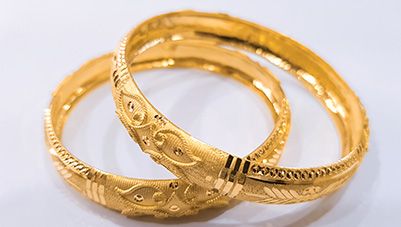
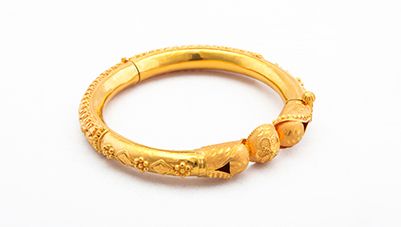
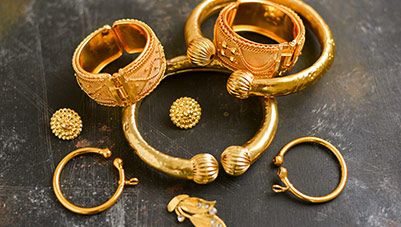
Because of this added durability, 12K gold is not usually used for fine jewellery, but it is perfect for pieces that need to last long, especially antique or vintage-style items. It offers a good balance of affordability, strength, and gold content, making it a practical choice for long-lasting designs.
Uses of 12 carat gold
Twelve carat gold may not be the purest form of gold, but that is exactly what makes it so practical. With 50 percent gold and 50 percent other metals, it is strong, durable, and perfect for everyday use. You will often find 12 carat gold in jewellery like rings, bracelets, and pendants because it resists scratches better than higher karat options. It is also used in decorative pieces and religious items where long-lasting shine matters. Beyond that, its conductivity makes it useful in some electronic components. Overall, 12 carat gold offers a good balance of beauty, strength, and value.
How 12K gold is different from 14K and 24K gold?
Understanding the distinctions between 12K, 14K, and 24K gold is essential for making informed choices. Twelve karat gold consists of 50% pure gold mixed with other metals, offering enhanced durability suitable for everyday jewellery. In contrast, 14K gold contains approximately 58.3% gold, providing a higher purity level while maintaining strength. What is 14k gold refers to its composition of 14 parts gold to 10 parts alloy, making it a popular choice for fine jewellery due to its balance of purity and resilience. On the other hand, 24K gold is pure gold, 99.9% gold content, prized for its rich colour and lustre but softer and less practical for regular use. Thus, 12K and 14K gold offer varying levels of durability and purity, catering to different preferences and requirements, while 24K gold is ideal for those seeking maximum gold content.
Benefits and drawbacks of 12 carat gold
Twelve carat gold presents several benefits alongside certain drawbacks. A primary advantage is its affordability; with 50% gold content, it is less expensive than higher karat options like 18K or 24K gold, making it accessible to a broader audience. Additionally, the alloyed metals enhance durability, making 12 carat gold jewellery more resistant to everyday wear and tear, ideal for active lifestyles. Its versatility in design is another benefit, allowing for intricate patterns without compromising strength. However, the lower gold content may be a drawback for purists who prefer higher karat gold’s richness and hypoallergenic properties. The presence of other metals can sometimes cause allergic reactions in sensitive individuals. Moreover, 12 carat gold holds less intrinsic value compared to higher karat gold, potentially affecting resale or investment returns. Balancing cost, durability, and purity, 12 carat gold remains a practical choice despite these limitations.
How 12 carat gold is priced?
The pricing of 12 carat gold is influenced by several factors, primarily the current market price of gold, which fluctuates based on global economic conditions and demand. Being 50% pure, the intrinsic value of 12 carat gold is calculated by assessing the weight and the purity percentage. Additionally, craftsmanship and design complexity can affect the final price, with intricate jewellery pieces commanding higher prices due to the labour involved. Other factors include the brand reputation, with established brands often pricing their products at a premium. Market demand in India, especially during festive seasons and weddings, can also drive prices up. Import duties and taxes imposed by the Indian government play a role in the final cost as well. Retail markup and distribution costs further influence the pricing structure. Thus, the price of 12 carat gold is a composite of raw material costs, design intricacy, brand value, and market dynamics.
Current market trends for 12 carat gold
The current market trends for 12 carat gold in India reflect a growing preference for affordable yet durable jewellery options. With economic fluctuations and consumers seeking value for money, 12 carat gold has seen increased demand as it offers a balance between purity and cost. Trends indicate a surge in contemporary designs, blending traditional motifs with modern aesthetics, appealing to younger buyers. Additionally, there is a rising interest in customised and personalised jewellery, where 12 carat gold serves as an ideal medium due to its workability. Sustainability and ethical sourcing are becoming significant factors, influencing consumer choices towards gold from responsible suppliers. The integration of technology in jewellery retail, such as online platforms offering competitive pricing and virtual try-ons, has also boosted the popularity of 12 carat gold. Furthermore, the influence of fashion trends and celebrity endorsements continues to drive its appeal. These dynamics position 12 carat gold favourably in the current Indian jewellery market.
Factors influencing 12 carat gold prices
If you are curious why 12 carat gold prices keep changing, here are the key reasons in simple words:
- Global gold rates: International prices shift due to economic conditions and currency strength.
- Local demand: Festivals, weddings, and higher buying activity push prices upward.
- Purity level: Since 12K gold has 50% pure gold, its intrinsic value is lower than higher karat gold.
- Import duties and taxes: Government charges directly affect retail prices.
- Alloy metal costs: Metals like copper or silver used in the mix influence pricing.
- Craftsmanship: Detailed designs and labour add to the final price.
Where to buy 12 carat gold?
Purchasing 12 carat gold in India can be done through various trusted avenues. Traditional jewellery stores remain popular, offering a wide selection of designs and personalised services. 12 carat gold can be purchased from various sources, depending on your preference for convenience, selection, and price. In India, traditional jewellery stores are a popular choice, offering a wide range of designs and the ability to see and try on pieces before purchasing. These stores often provide certification of gold purity, ensuring you receive genuine 12 carat gold. Online jewellery retailers have gained popularity, offering the convenience of shopping from home, often with a broader selection and competitive prices. Reputable e-commerce platforms and specialised jewellery websites usually provide detailed product descriptions, including the gold's karat rating, along with customer reviews. Some buyers may also consider purchasing 12 carat gold from pawnshops or second-hand markets, where prices might be lower, but it is essential to verify the authenticity and condition of the gold before purchasing.
How to invest in 12 carat gold?
Investing in 12 carat gold offers a balanced approach between purity and affordability, suitable for Indian investors seeking tangible assets. To begin, one can purchase 12 carat gold jewellery, which not only serves as adornment but also retains intrinsic value. Another option is buying gold coins or bars from authorised dealers, providing ease in resale and storage. Investors might also consider gold ETFs or mutual funds that track gold prices, offering liquidity without the need for physical storage. When investing in physical gold, it is crucial to ensure purity through hallmarking and purchase from reputable sources. Diversifying investments by combining 12 carat gold with other asset classes can mitigate risks. Monitoring market trends and understanding the factors influencing gold prices can enhance investment decisions. Additionally, leveraging schemes like gold loans or savings plans linked to gold can provide flexible investment avenues. Consulting with financial advisors can help tailor gold investments to individual financial goals and risk appetites, ensuring a strategic approach to building wealth with 12 carat gold.
12 carat gold vs. 14 carat gold: Which is better?
If you are trying to pick between 12 carat and 14 carat gold, here is a simple comparison to help you decide:
| Feature | 12 Carat Gold | 14 Carat Gold |
|---|---|---|
| Purity | Contains 50% pure gold | Contains around 58.3% pure gold |
| Durability | More durable due to higher alloy content | Durable but slightly softer than 12K |
| Appearance | Less lustrous, lighter gold tone | Richer colour with a brighter finish |
| Affordability | More budget-friendly | Slightly more expensive due to higher gold content |
| Best for | Everyday jewellery, heavily used pieces | Those wanting a balance of purity and durability |
| Value | Lower intrinsic value | Higher intrinsic value |
| Ideal choice if… | You prioritise durability and cost | You want richer colour and higher purity |
The impact of global markets on 12 carat gold prices
Global markets significantly influence the prices of 12 carat gold in India, as gold is traded internationally and subject to global economic trends. Factors such as fluctuations in the US dollar, geopolitical tensions, and changes in global demand can directly affect gold prices. When the global economy is unstable, investors often flock to gold as a safe haven, driving up prices. Additionally, central bank policies, including interest rates and inflation rates worldwide, play a role in determining gold’s value. Supply chain disruptions, mining outputs, and international trade policies also contribute to price volatility. Currency exchange rates impact the cost of imported gold, affecting retail prices in India. Furthermore, global events such as pandemics or major geopolitical conflicts can lead to uncertainty, increasing gold’s attractiveness as an investment. Consequently, Indian consumers and investors closely monitor global market trends to make informed decisions regarding 12 carat gold purchases and investments, as international dynamics can swiftly influence local pricing.
Historical price trends of 12 carat gold
Historically, 12 carat gold prices in India have mirrored the broader trends in global gold markets, exhibiting periods of both appreciation and decline. Over the past decade, factors such as economic growth, inflation rates, and geopolitical stability have driven fluctuations in gold prices. During times of economic uncertainty or high inflation, the demand for 12 carat gold typically increases, leading to price hikes as investors seek safe-haven assets. Conversely, when the economy is robust and investor confidence is high, gold prices may stabilise or decrease. Seasonal demand, particularly around festive periods like Diwali and weddings, has also historically impacted 12 carat gold prices, with peaks observed during these times. Additionally, changes in government policies, import duties, and taxes have influenced the cost. Technological advancements in gold mining and recycling have also played roles in shaping price trends. By analysing historical data, investors and consumers can better predict future movements and make strategic decisions regarding their 12 carat gold holdings.
How to get a gold loan with 12 carat gold?
Obtaining a gold loan with 12 carat gold is a straightforward process in India, offering a quick solution for financial needs. Bajaj Gold Loan is a prominent option, providing attractive interest rates and multiple repayment terms. To apply, borrowers must visit a Bajaj Gold Loan branch or use their online platform, presenting their 18-22 carat gold jewellery as collateral. The lender assesses the purity and value of the gold to determine the loan amount, typically offering up to 75% of the gold’s market value. Required documents include identity proof, address proof, and photographs. Bajaj Finance Gold Loan ensures a hassle-free process with minimal paperwork and swift disbursal of funds, often within the same day. The loan tenure can range from a few months to several years, catering to different financial needs. Additionally, customers can benefit from easy repayment options, including EMIs and part-prepayment facilities. By leveraging 12 carat gold, individuals can secure necessary funds without selling their valuable assets, maintaining ownership while accessing liquidity.
Calculate your gold loan
Not your nearest branch?

Latest RBI updates
Section | Parameter | Applicable Details |
Eligibility Criteria | Gold purity accepted | 18-22 Karat for jewellery and ornaments |
24 karat for gold coins | ||
Eligible collateral types | Gold ornaments, jewellery, and coins | |
Eligible limit for each collateral type | Ornaments | Total pledged weight across all loans must not exceed 1 kilogram |
Gold coins | The total weight of gold coins pledged cannot be more than 50 grams. | |
Gold Jewellery | As per maximum loan amount. | |
Overall exposure limit | The total loan exposure across ornaments, jewellery, and gold coins together must not exceed the maximum loan limit of Rs. 2 crore. | |
Collateral protection
| Any loss, damage, or discrepancy in the quantity or purity of your pledged gold identified during audit, return, or auction will be recorded and promptly communicated to you or your legal heirs. The reimbursement or compensation process, as per company policy and SOP, will be clearly explained. Delays in collateral release due to lender fault will attract compensation of ₹5,000 per day. | |
Gold loan renewal | Renewal parameter | You can request renewal of your gold loan before maturity if it remains in standard status and within permissible LTV limits. This facility is available only to existing customers. For bullet repayment loans, accrued interest must be cleared. Renewals are subject to credit checks, fresh applicable charges, and are not allowed after maturity. |
Gold loan top up | Top up parameter | Top-up is allowed before maturity, subject to regulatory LTV limits, credit assessment, and customer eligibility. Fresh fees and charges apply. Top-up after maturity is not permitted, even if dues are outstanding. Top up facility is available only to existing users. |
LTV (Loan to Value) | For loans up to Rs.2.5 lakh | 85% |
For loans between more than Rs.2.5 lakh to Rs.5 lakh | 80% | |
For loans from more than Rs. 5lakh to Rs. 2 crore | 75% | |
Gold Value | Evaluation parameter | As per the latest guidelines, gold loans are offered against specific purity of gold jewellery, ornaments and gold coins, valued using lower of the average closing price for your gold's specific purity over the last 30 days or the previous day's closing price, as published by IBJA or a SEBI-regulated commodity exchange, within prescribed limits and subject to KYC and timely repayment. |
The process of applying for a gold loan
Understanding gold loan eligibility is crucial, as it varies among financial institutions. Applying for a gold loan process involves several key steps. First, visit the Bajaj Finance website or app and follow a few simple steps:
- Click on ‘APPLY’ to open our online application form
- Enter your 10-digit mobile number and click on ‘GET OTP’
- Submit the OTP to verify your identity
- Select your state and city to find the branch nearest to you
- Enter your full name and date of birth as per your PAN
- Set up your appointment at our branch
Once done, you will receive a call from our representative to confirm your appointment and guide you on the next steps.
Bajaj gold loan services offer loans of up to Rs. 2 crore based on the current market value of the gold, typically providing up to 85% of its value. Once the gold is evaluated, you’ll need to provide necessary documentation, such as any one of your basic KYC documentation. After the verification process, the loan is approved, and the funds are disbursed, often on the same day. The gold is stored securely by the lender until the loan is repaid.
Quick tip: Discover your borrowing potential by checking your gold loan eligibility. It takes just a few clicks and no waiting.
Risks of gold loans with 12 carat gold
While gold loans with 12 carat gold offer quick access to funds, they come with inherent risks that borrowers must consider. One primary risk is the potential loss of the gold collateral if the borrower defaults on repayments. Failing to adhere to the loan terms can lead to the lender seizing and selling the gold to recover the outstanding amount. Additionally, fluctuations in gold prices can impact the loan-to-value ratio, potentially necessitating additional collateral or repayment adjustments. High-interest rates, compared to other loan types, can increase the overall cost of borrowing, making it essential to understand the financial commitment before taking a loan. Moreover, some lenders may have stringent terms and conditions, leading to hidden fees or penalties for late payments. Borrowers might also face challenges in refinancing or restructuring the loan if their financial situation changes. To mitigate these risks, it is crucial to borrow only what is necessary, maintain timely repayments, and choose reputable lenders offering transparent terms. Being aware of these potential pitfalls ensures responsible utilisation of gold loans.
Please note, Bajaj Finance only offers gold loan against 18-22 karat gold.
Frequently asked questions
Gold in Diwali
Twelve carat gold is a type of gold alloy that contains 50% pure gold, with the remaining 50% made up of other metals like silver, copper, or nickel. This combination makes 12 carat gold more durable and affordable compared to higher carat golds like 18K or 24K. While it has a lower gold content, its durability and cost-effectiveness make it a popular choice for everyday jewellery, especially for those seeking a balance between quality and price.
The price of 12 carat gold is determined by several factors, including the current global gold rate, as it is 50% pure gold. Local demand and supply dynamics, import duties, and taxes imposed by the Indian government also influence pricing. Additionally, the cost of alloying metals, craftsmanship, and brand reputation play roles in the final price. Retail markups and market conditions further impact the cost, making it essential to consider these elements when purchasing 12 carat gold.
To track the current price of 12 carat gold in India, you can visit reliable financial websites like the MCX (Multi Commodity Exchange) or use mobile apps dedicated to gold rates. Jewellery retailers' websites and financial news channels also provide up-to-date gold prices. Additionally, subscribing to gold price alerts via SMS or email from trusted financial institutions or using Google to check the latest rates can help you stay informed on daily fluctuations.
To use 12 carat gold for a gold loan, visit a reputable lender, such as Bajaj Finance, with your 12 carat gold jewellery. The lender will assess the gold's purity and value to determine the loan amount, typically offering up to a certain percentage of the gold’s market value. Ensure you meet the lender's eligibility criteria and provide necessary documents like identity proof. Once approved, you can quickly access funds while retaining ownership of your gold as collateral.
Related Articles

Disclaimer
Bajaj Finance Limited (BFL) has the sole and absolute discretion, without assigning any reason to accept or reject any application as per BFL policy. *