









































































































































































































































- Compare plans from leading insurers in one place
- Premiums starting from Rs. 9.3/day*
- Pay premiums conveniently with Easy EMI options
- High sum insured options at affordable premiums
- Cashless treatment across a wide network of hospitals

4 reasons to choose us

Easy application and quick response

Access cashless treatment at extensive hospital networks during emergencies.

Say goodbye to paperwork and hello to hassle-free applications.

Fast, transparent, and stress-free claims.


Choose Health Insurance plan as per your need



What is Health Insurance?
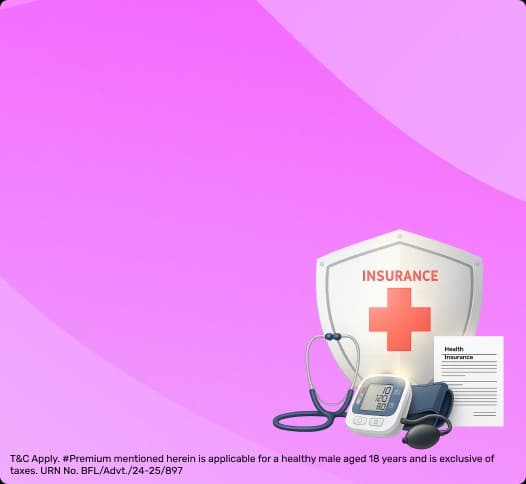
Health insurance is a policy that helps you manage medical expenses by providing financial support for healthcare needs. Simply put, it covers your treatment costs up to a certain annual limit, so you can focus on getting quality care without the stress of high hospital bills.
A health insurance plan covers both planned and emergency medical needs, including hospitalization, day-care procedures, surgeries, ambulance charges, and pre- and post-hospitalization care. It helps you stay financially secure during medical emergencies while allowing you to focus on recovery instead of expenses.
Choosing the right health insurance policy ensures complete protection for you and your family against unexpected healthcare costs. Moreover, the premium you pay qualifies for tax benefits under Section 80D of the Income Tax Act, 1961 — making health insurance both a smart financial and health decision.
Health insurance updates / Latest changes
Health insurance in India has seen a few notable updates recently that are worth knowing before you buy:
-
- GST exemption: Effective 22nd September 2025, the 18% GST on individual health insurance premiums (including family floater and senior citizen plans) has been removed, making policies more affordable across insurers, including Niva Bupa.
- Faster, more transparent claims: IRDAI's ongoing reforms are pushing insurers toward quicker claim settlements and clearer policy disclosures, benefiting policyholders industry-wide.
- Stronger regulatory oversight: IRDAI continues to tighten compliance requirements for insurers around policyholder protection and governance, aimed at improving accountability across the sector.
- Accounting standard shift: Insurers are moving to Ind AS reporting from April 2026, improving financial transparency.
Always check your specific policy document for the latest applicable terms.
Difference between health insurance and medical insurance
Here’s a quick overview of the key differences between Health Insurance and Medical Insurance plans:
Features | Health insurance | Medical insurance |
Scope of coverage | Health insurance covers both preventive care and medical treatment. This includes regular check-ups, screening tests, vaccinations, as well as hospitalisation expenses and medical procedures. | Medical insurance covers expenses related to accidents or illnesses, including hospitalisation, diagnostic tests, surgeries, and medication. |
Number of claims | There is usually a limit on the number of claims per year. | Medical insurance may have a limit on the total value of claims or a limit on the number of days of hospitalisation. |
Premium | Health insurance comes at a higher premium than medical insurance as it covers a broader range of services. The premium depends on the age, health condition, and coverage required. | Medical insurance policy premiums depend on the policy coverage and whether it is an individual, family, or group policy. |
Sum insured | Depends on the health insurance coverage chosen. | For medical insurance too, the coverage amount depends on the policy chosen. |
Add-on covers | Available | Available |
Why do I need a health insurance plan?
Medical costs in India are rising steadily, and a single hospitalisation can quickly drain years of savings. A health insurance plan protects you and your family from this financial shock by covering treatment costs, so a health emergency doesn't turn into a monetary crisis. Here's why having one matters:
-
- Rising healthcare costs: Hospital bills, surgeries, and advanced treatments are becoming more expensive every year.
- Cashless treatment: Access to a wide network of hospitals lets you get treated without arranging funds upfront.
- Protects your savings: Insurance absorbs the cost of an emergency instead of your fixed deposits or investments.
- Covers pre- and post-hospitalisation expenses: Diagnostics, consultations, and follow-up care are included, not just the hospital stay itself.
- Tax benefits: Premiums paid qualify for deduction under Section 80D of the Income Tax Act.
- Family protection: Family floater plans extend coverage to your spouse, children, and parents under one policy.
- Peace of mind: Lets you focus on recovery rather than worrying about bills.
Buying health insurance early also means lower premiums and shorter waiting periods.
How does health insurance work?
Health insurance works by helping you pay for eligible medical expenses in exchange for a regular premium. Once you buy a policy, the insurer provides coverage up to the sum insured for covered treatments during the policy period.
Here's how it works:
-
- Buy a policy: Choose a health insurance plan based on your healthcare needs and budget.
- Pay the premium: Pay the premium monthly, quarterly, or annually to keep the policy active.
- Get medical treatment: Visit a network or non-network hospital when you need medical care.
- Raise a claim: Opt for a cashless claim at a network hospital or pay the bills first and file a reimbursement claim.
- Claim settlement: The insurer verifies the claim and settles eligible medical expenses as per the policy terms and conditions.
What is the ideal coverage for Health Insurance
Health insurance coverage should align with your personal medical needs and financial situation. Ideally, your sum insured should be at least 50% of your annual income to ensure adequate protection. With rising healthcare costs, experts recommend opting for a health insurance cover of Rs. 10 lakh or more to comfortably manage medical expenses without financial strain.
-
- City of residence: Coverage requirements can vary significantly between tier-1, tier-2, and tier-3 cities due to different medical costs.
- Age or life stage: Younger individuals typically need less coverage compared to older individuals who may have more health issues.
- Future hospitalisation costs: Consider the potential increase in medical expenses due to inflation.
Below is a table to help determine the ideal health insurance coverage based on different types of plans and city tiers:
Types of Health Insurance plans
Tier-1 City
Tier-2 City
Individual Health Insurance Plan
Rs. 15 lakh & above
Rs. 8-15 lakh
Family Floater Health Insurance Plan
Rs. 40 lakh & above
Rs. 25 lakh & above
Senior Citizen Health Insurance Plan
Rs. 25 lakh & above
Rs. 18 lakh & above
People can consider purchasing a Rs. 1 crore health insurance policy, which has become more affordable. This is particularly useful for long-term critical illness treatments or treatments abroad.
Disclaimer: The above sum insured is suggestive and may vary according to the age and medical needs of individuals.
Types of health insurance plans
Health insurance plans are designed to meet different healthcare needs. Understanding the available options can help you choose a policy that best suits your age, family size, and medical requirements.
-
Individual health insurance
Individual health insurance covers the medical expenses of a single individual up to the chosen sum insured.
-
Family health insurance
Family health insurance provides a shared sum insured for you, your spouse, children, and other eligible family members under one policy.
-
Critical illness health insurance
Critical illness health insurance offers a lump-sum payout on the diagnosis of specified critical illnesses covered under the policy.
-
Senior citizen health insurance
Senior citizen health insurance is Designed for individuals aged 60 years and above, covering age-related healthcare and hospitalisation expenses.
-
Personal accident insurance policy
Group personal health insurance provides financial protection against accidental death, permanent disability, or partial disability caused by an accident.
-
Super top-up health insurance
Super top-up health insurance enhances your existing health insurance coverage by providing additional protection once the deductible limit is crossed.
How much health insurance coverage do you need?
Buying health insurance is only the first step—choosing an adequate sum insured is equally important. Many policyholders realise their coverage is insufficient only when faced with a large hospital bill.
-
For example, suppose you purchase a health insurance plan with a Rs. 5 lakh sum insured for your father. Later, he requires bypass surgery, and the total hospital bill comes to Rs. 7.5 lakh. While your policy covers a significant portion of the expenses, you would still need to arrange the remaining Rs. 2.5 lakh from your savings, investments, or through borrowing. Situations like these highlight why selecting the right coverage amount is essential.
The ideal health insurance coverage varies from person to person and should be based on your healthcare needs, financial situation, and future medical expenses. When deciding the right sum insured, consider the following factors:
- Your city of residence (Tier 1, Tier 2, or Tier 3)
- Your age and life stage
- Existing medical conditions
- Expected future healthcare costs and medical inflation
- The type of policy you are buying (individual or family floater)
What are the key benefits of buying Health Insurance Plans Online?
Here are the key benefits of buying health insurance plans online-
-
Greater convenience
Buy your policy from the comfort of your home—no need to visit branches or schedule appointments with agents.
-
Exclusive online discounts
Enjoy special premium discounts when you purchase your policy online.
-
Lower premiums
Online plans are often more affordable as insurers save on administrative and operational costs.
-
Minimal paperwork
Say goodbye to long forms—most online purchases require little to no physical documentation.
-
Secure digital payments
Use safe and hassle-free digital payment methods instead of cash transactions.
-
Quick and time-saving
The entire process—from purchase to policy issuance—takes just a few minutes.
-
24x7 availability
Buy your health insurance policy anytime—even on weekends or public holidays.
What is Medical Insurance?
Medical insurance, also known as health insurance, is a type of insurance policy that covers medical expenses for illness or injury. Medical insurance plans offer coverage for hospitalisation expenses, pre-and post-hospitalisation expenses, and other medical expenses. There are different types of medical insurance policies available, such as individual, family, senior citizen, and group medical insurance plans. It is important to note that medical insurance are used interchangeably, but health insurance covers preventive care, whereas medical insurance covers medical expenses due to an illness or injury.
Health insurance at a glance
Features | Specifications |
Premium starts | Rs. 9.3/day* |
Sum insured (medical coverage) | Rs. 5 lakh to Rs. 50 lakh |
Cashless treatment | 10,000+ hospitals |
Pre-and post-hospitalisation expenses | Covered |
Tax benefits | Included |
Ambulance expenses | Included |
Pre-existing diseases | Covered (according to the plan terms and conditions) |
Daycare procedures | Up to 527 daycare treatments |
What are the documents required for health insurance?
To buy or renew a health insurance policy in India, you’ll need to submit a few KYC (Know Your Customer) documents for identity and address verification. Below is the list of commonly accepted documents:
- Identity proof – Aadhaar Card, PAN Card, Passport, Voter ID, or Driving Licence.
- Address proof – Aadhaar Card, Passport, Utility Bills, or any other valid address proof.
- Age proof – Birth Certificate, Passport, Aadhaar Card, or Driving Licence.
- Passport-sized photographs – Recent photographs of the proposer and insured members, if required.
- Medical reports – Pre-policy medical examination reports, if requested by the insurer based on age, sum insured, or medical history.
- Income proof – Salary slips, bank statements, or Income Tax Returns (required for certain plans).
- Completed proposal form – A duly filled application form containing personal, nominee, and health-related details.
- Existing policy details – Previous health insurance policy documents if you are porting or renewing a policy.
These documents help verify your personal details and ensure a smooth policy issuance or renewal process.
What does health insurance cover and not cover?
-
Inclusions
Here’s a quick look at the inclusions of Health Insurance policies:
In-patient hospitalisation expenses:
Get coverage for hospitalisation expenses incurred due to illness or accidental injuries sustained during the policy periodPre- and post-hospitalisation expenses:
Covers medical costs incurred due to an illness or injury from 60 days before hospitalisationCritical illnesses
Get coverage for critical illnesses such as asthma, cholesterol, diabetes, and high blood pressureRoad ambulance charges
Get coverage for road ambulance charges up to the amount mentioned in the policy details. The ambulance coverage is applicable for transporting the policyholder to the hospitalDomiciliary hospitalisation
Get coverage for availing of hospital-like treatment at homeDaycare procedures
Get coverage for daycare procedures that require less than 24 hours of hospitalizationMaternity cover
Get coverage for maternity-related expenses, including childbirth, delivery (normal or C-section), and other eligible pregnancy-related medical costs after the applicable waiting period, as specified in the policy.AYUSH treatment coverage
Get coverage for in-patient treatment under AYUSH systems of medicine, including Ayurveda, Yoga and Naturopathy, Unani, Siddha, and Homeopathy, when taken at recognised healthcare facilities as per the policy terms.Preventive and wellness benefits
Access preventive healthcare benefits such as annual health check-ups, wellness programmes, fitness rewards, health coaching, and other wellness initiatives offered under the policy to help maintain your overall health.Follow-up consultations and diagnostic tests
Get coverage for eligible follow-up doctor consultations, diagnostic tests, and investigations required after hospitalisation or as part of the treatment plan, subject to the policy's terms and conditions.Pre-existing diseases coverage
Get coverage for pre-existing diseases after completing the applicable waiting period mentioned in the policy. Once the waiting period is over, eligible treatment expenses related to these conditions are covered as per the policy terms.
-
Exclusions
While health insurance provides financial protection against eligible medical expenses, every policy also has certain exclusions. These are treatments, conditions, or situations for which the insurer does not provide coverage. Reviewing the exclusions before purchasing a policy can help you understand its limitations and avoid unexpected claim rejections. Some common health insurance exclusions include:
- Self-inflicted injuries: Medical expenses arising from intentional self-harm or suicide attempts are generally not covered.
- Obesity or weight control treatments: Expenses related to weight loss, obesity management, or bariatric procedures are excluded unless specifically covered under the policy.
- Cosmetic or plastic surgery: Cosmetic procedures performed for aesthetic reasons are usually excluded unless they are medically necessary due to an accident, illness, or reconstructive treatment.
- Hazardous or adventure sports: Injuries sustained while participating in adventure or high-risk sports may not be covered unless the policy specifically includes such activities.
- Dental treatments: Routine dental procedures, cosmetic dental work, and orthodontic treatments are generally excluded unless required following an accident or covered as an add-on benefit.
- Medical aids: The cost of external medical aids such as hearing aids, spectacles, contact lenses, prosthetics, and similar devices is typically not covered unless explicitly mentioned in the policy terms.
What is covered in a health insurance plan?
Here’s a quick look at the inclusions of Health Insurance policies:
-
In-patient hospitalisation expenses
Get coverage for hospitalisation expenses incurred due to illness or accidental injuries sustained during the policy period
-
Pre- and post-hospitalisation expenses
Covers medical costs incurred due to an illness or injury from 60 days before hospitalisation
-
Critical illnesses
Get coverage for critical illnesses such as asthma, cholesterol, diabetes, and high blood pressure
-
Road ambulance charges
Get coverage for road ambulance charges up to the amount mentioned in the policy details. The ambulance coverage is applicable for transporting the policyholder to the hospital
-
Domiciliary hospitalisation
Get coverage for availing of hospital-like treatment at home
-
Daycare procedures
Get coverage for daycare procedures that require less than 24 hours of hospitalization
Benefits of buying health insurance at an early age
Buying medical insurance plans at an early age has numerous benefits. Here are a few reasons to consider buying affordable health insurance plans when you are young:
-
Low premiums
Health insurance premiums are closely linked to your age. The earlier you buy a policy, the lower your premium is likely to be, helping you save on insurance costs over the long term.
-
Lesser health issues
Younger individuals are generally healthier and less likely to have pre-existing medical conditions. This can make it easier to obtain comprehensive coverage with fewer restrictions and exclusions.
-
Completion of waiting periods
Most health insurance plans have waiting periods for pre-existing diseases and certain treatments. Purchasing a policy early allows these waiting periods to be completed before you may need to make a claim.
-
Comprehensive financial protection
Starting early helps you build continuous health insurance coverage, ensuring you're financially prepared for unexpected illnesses, accidents, and future healthcare needs.
-
Tax benefits
Premiums paid towards eligible health insurance policies qualify for tax deductions under Section 80D of the Income Tax Act, subject to the prevailing tax laws and applicable limits.
Key factors to consider before buying a health insurance plan
Choosing the right health insurance plan requires more than comparing premiums. You should evaluate the coverage, policy terms, and insurer's service standards to ensure the plan meets your current ad future healthcare needs. Here are some of the most important factors to consider before purchasing a health insurance policy:
-
- Scope of coverage: Review the benefits and medical expenses covered under the policy. Look for coverage for in-patient hospitalisation, pre- and post-hospitalisation expenses, daycare procedures, critical illnesses, maternity benefits, ambulance charges, modern treatments, and other relevant features based on your healthcare needs.
- Sum insured: The sum insured determines the maximum amount your insurer will pay during a policy year. Considering rising medical costs, choose a coverage amount that provides adequate financial protection. Families, individuals living in metro cities, and senior citizens may benefit from opting for a higher sum insured.
- Policy type: Health insurance plans are available in different forms, including individual plans, family floater plans, senior citizen plans, critical illness plans, top-up plans, and super top-up plans. Select a policy that aligns with your age, family size, and healthcare requirements.
- Waiting period: Most health insurance policies have waiting periods for pre-existing diseases, specified illnesses, maternity benefits, and certain treatments. Compare waiting periods across plans and choose one that offers favourable terms while meeting your healthcare needs.
- Co-payment clause: Some policies include a co-payment clause, where you agree to pay a fixed percentage of every admissible claim while the insurer pays the remaining amount. Although this may reduce the premium, it also increases your out-of-pocket expenses during treatment.
- Room rent limits: Certain health insurance plans place limits on the room rent they will cover during hospitalisation. Choosing a policy with no room rent cap, or a higher room rent limit, can help you avoid additional expenses if you opt for a higher-category room.
- Cashless hospital network: Check the insurer's network of cashless hospitals, particularly those located near your home or workplace. A larger network provides greater convenience and makes it easier to access cashless treatment during medical emergencies.
- Lifelong renewability: A policy with lifelong renewability allows you to continue your health insurance coverage regardless of your age, provided you renew the policy on time. This ensures uninterrupted financial protection throughout your life.
- Premium loading: Some insurers may increase premiums based on factors such as age, medical history, or previous claims. Understanding the insurer's premium loading policy can help you estimate the long-term cost of maintaining the policy.
- Claim settlement record: Review the insurer's claim settlement ratio and claim settlement process before making a decision. A higher claim settlement ratio, combined with an efficient claims process, indicates the insurer's ability to settle eligible claims promptly and reliably.
What are health insurance riders?
Riders are optional add-ons you can attach to your health insurance policy for an extra premium, giving you coverage that goes beyond your base plan. How much a rider costs depends on factors like your age, the sum insured you choose, and the kind of protection it offers. Here are five riders worth considering:
- Maternity Rider — Covers childbirth-related expenses, including delivery costs and pre/post-natal care. Some insurers extend this to cover the newborn for the rest of the policy term. Keep in mind this rider typically comes with a waiting period, which can be anywhere from 9 months to 6 years depending on the insurer.
- Consumables Rider — Hospital bills often include small non-medical items — gloves, syringes, bandages, registration fees, and the like — that base policies usually don't cover. These can add up to 10-20% of your total bill. This rider takes care of those costs, cutting down what you'd otherwise pay from your own pocket.
- Critical Illness Rider — Pays out a fixed lump sum if you're diagnosed with a serious illness like cancer or a heart condition for the first time during your policy period — regardless of your actual treatment costs. It usually comes with a 90-day waiting period and a 30-day survival clause, and most policies cover somewhere between 10 and 40 listed illnesses.
- Personal Accident Rider — Provides compensation if an accident leads to disability or death. A permanent total disability gets you the full sum insured, while partial disability pays out a proportion based on severity. It's sometimes called a double indemnity rider since your family receives a death benefit if the accident proves fatal.
- Hospital Cash Rider — Gives you a fixed daily cash amount to help cover incidental expenses while you're hospitalized. If you end up in the ICU, this doubles for those days. You'll need to be admitted for at least 24 hours for this to kick in, and the payout amount depends on your policy terms.
- Room Rent Waiver — Removes the cap on how much your insurer will pay toward your hospital room rent, letting you choose a room without worrying about sub-limits or paying the difference yourself.
What are the eligibility criteria to buy a health insurance plan?
Whether you qualify for a health insurance plan depends on a few key factors — mainly your age and medical history. Here's a quick snapshot of what most insurers look at:
Criteria | Specifications |
Entry Age for Adults | 18 years and above |
Entry Age for Dependent Children | 90 days to 25 years |
Pre-Medical Screening | Required above 45/55/60 years, depending on the plan |
- Age criteria — Any adult above 18 can buy a health insurance policy. Children can usually be added anywhere between 90 days and 25 years of age, though the exact cut-off varies by insurer and plan.
- Pre-medical screening — If you're above 45 or 55 (this threshold differs by insurer), you may need to undergo a medical check-up before your policy is issued. For senior citizen health plans, pre-policy medical tests are almost always mandatory.
- Disclosing pre-existing diseases — Conditions like diabetes, high blood pressure, heart disease, or kidney disease that you already have when buying the policy are treated as pre-existing diseases (PED). These typically get covered only after a waiting period of 1 to 3 years, and insurers will ask about them upfront at the time of purchase.
It's important to disclose all pre-existing conditions honestly — including habits like smoking or drinking — since hiding them can lead to claim rejection later, right when you need the payout the most.
Your insurer uses all of this information together to decide your final coverage and premium.
Some common myths about health insurance
Before you buy a policy, it helps to separate fact from fiction. Here are a few misconceptions that trip people up:
- Health insurance is too expensive."
A basic health insurance plan can cost as little as a few hundred rupees a month, especially if you buy it young. The cost of not having cover — a single hospital stay — is almost always higher than years of premiums. - "I don't need health insurance because I have savings."
Savings can disappear fast in a medical emergency, especially with a serious illness or long hospital stay. Health insurance protects those savings so they're still there for the goals you actually saved them for. - "Online health insurance policies are not genuine or safe to buy."
Buying online is just as legitimate as buying through an agent — as long as you purchase directly from the insurer's website or a trusted platform. In fact, buying online often works out cheaper since there's no agent commission involved. - "A cheaper premium means a better health insurance plan."
A low premium can mean lower coverage, higher sub-limits, or more exclusions. It's worth comparing what each plan actually covers rather than just going by the price tag. - "I can buy health insurance right before I need surgery or treatment."
Every policy has an initial waiting period (usually 30 days) before most claims are payable, and pre-existing conditions take even longer. Buying insurance only works if you do it well before you actually need it. - "Once I buy a policy, my premium will never increase."
Premiums can increase at renewal — insurers revise pricing based on your age, claims history, and overall risk trends in the industry. It's a good idea to review your policy at each renewal rather than assuming it'll stay the same. - "Claims are always rejected or delayed."
Most claims get settled without issues as long as the information you provided at purchase was accurate and complete. Delays or rejections usually happen due to non-disclosure or incomplete documentation — not because insurers are looking for reasons to deny claims. - "I only need health insurance for myself, not my family."
A single hospitalisation for any family member — a child, spouse, or parent — can be just as financially draining. A family floater plan or individual policies for each member help make sure everyone's protected.
No Claim Bonus (NCB) and other loyalty benefits in health insurance
A No Claim Bonus (NCB) is a reward offered by insurers when you do not raise any claims during a policy year. It may increase your sum insured without an additional premium or provide a premium discount, depending on the policy terms.
Apart from NCB, many health insurance plans offer loyalty benefits such as cumulative bonus, wellness rewards, preventive health check-ups, renewal discounts, and access to health and fitness programmes. These benefits encourage policyholders to maintain good health while enhancing the overall value of their health insurance policy.
Policy Benefits




Frequently asked questions
Overview
Features
Coverage
How much does an individual need to pay to get a health insurance plan?
The premium for a health insurance plan depends on factors like age, medical history, sum insured, type of coverage, and add-on benefits. Higher coverage and additional riders usually increase the premium amount.
How to calculate health insurance premium online?
Visit the insurer’s website, open the premium calculator, enter details like age, gender, coverage amount, and medical history. The calculator will instantly show the estimated premium.
Can I avail of tax benefits against premiums paid towards health insurance policy?
Yes. Under Section 80D of the Income Tax Act, you can claim tax deductions on health insurance premiums paid for yourself, family, and parents, subject to applicable limits.
What is the cost of health insurance in India?
The cost varies based on age, health condition, coverage amount, city, and policy benefits. Premiums are generally lower for younger individuals.
What is the cost of a health insurance plan per month?
Monthly premiums can start from around ₹300 and increase depending on the sum insured, age, and additional benefits chosen.
Can we get health insurance money back?
Some plans offer return-of-premium benefits or No Claim Bonus (NCB), which may increase your coverage or reduce future premiums.
How does smoking or tobacco use affect premiums?
Smokers and tobacco users generally pay higher premiums because they are considered at higher risk for lifestyle-related diseases.
Is it better to pay health insurance annually or monthly?
Annual payments are usually more cost-effective, while monthly payments provide flexibility and easier budgeting.
How many times can I claim medical insurance?
You can claim multiple times during a policy year until the sum insured limit is exhausted.
Will my existing health insurance policy cover hospitalisation expenses during COVID-19?
Most health insurance plans cover COVID-19 hospitalisation, including pre- and post-hospitalisation expenses, depending on policy terms.
Are any waiting periods applicable to claims under COVID-19?
Yes. Many COVID-19 policies have a waiting period ranging from 15 to 30 days.
Will the policy cover the expenses for home quarantine?
Many insurers cover home care treatment if home isolation is medically advised.
What are pre-existing diseases in health insurance?
These are illnesses or medical conditions diagnosed before purchasing the policy, such as diabetes, asthma, or thyroid disorders.
Does health insurance cover pre-existing conditions?
Yes, many insurers cover pre-existing diseases after a waiting period, usually between 2–4 years.
What is a ‘waiting period’ in health insurance?
It is the duration during which certain claims are not allowed after buying the policy.
Which is the best health insurance plan in India?
There is no single "best" health insurance plan in India. The right plan depends on your age, medical history, budget, coverage needs, network hospitals, claim settlement process, and additional benefits. Compare multiple plans before making a decision.
Is a PAN card mandatory to buy health insurance?
No, a PAN card isn't mandatory to purchase a health insurance policy. Insurers may ask for it only to verify your identity and age, not as a compulsory requirement.
When is open enrollment for health insurance in 2026?
India does not have a fixed open enrollment period for purchasing health insurance. You can buy or renew a health insurance policy at any time during the year. However, some employer-sponsored group health insurance plans may have specific enrollment windows set by the employer.
What is a deductible in health insurance?
A deductible is the amount you must pay out of your own pocket before your health insurance policy starts covering eligible medical expenses. Once the deductible is met, the insurer pays the covered expenses according to the policy terms and conditions
Is income proof required to buy health insurance?
No, most insurers don't ask for income proof when you buy a health insurance policy. Basic KYC documents like ID and address proof are usually enough.
Can I buy a health insurance policy without going through an agent?
Yes, you can buy health insurance directly from the insurer's website or through an online platform like Bajaj Finance Insurance Mall — no agent required. This also means no brokerage fees, and you can compare and choose your plan at your own pace.
What is the policy tenure for health insurance plans?
Health insurance plans in India are usually available for 1, 2, or 3-year terms, and some insurers even offer up to 5 years. Longer tenures often come with a discount on the total premium, so it's worth comparing before you decide.
What's the difference between an individual and a family floater health insurance plan, and which should I choose?
An individual plan gives each family member their own separate sum insured, while a family floater plan lets the whole family share one common sum insured — usually at a lower combined premium. Floater plans work well for younger, smaller families; if your family has older members or someone with health conditions, individual plans might offer more reliable coverage since one person's claim won't eat into everyone else's cover.
Can I buy separate health insurance for my spouse or siblings?
Yes. You can insure your spouse, siblings, or any other family member either under their own individual policy or by adding them to a family floater plan, depending on what suits your household better.
Which diseases or conditions are usually not covered under health insurance?
Most health insurance policies exclude HIV/AIDS treatment (though a few insurers do cover it), congenital external conditions, sexually transmitted diseases, and cosmetic or dental treatment unless medically necessary. Since exclusions vary by insurer, it's a good idea to check your specific policy wording for the full list.
Is there a health insurance plan with no waiting period at all?
Every health plan has a standard 30-day initial waiting period, except for accidental hospitalisation, which is covered from day one. Some insurers do offer "Day 1 coverage" for select pre-existing conditions as an add-on, letting you skip the usual multi-year wait.
Is GST applicable on health insurance premiums in 2026?
Yes. As of 2026, health insurance premiums in India continue to attract 18% GST. The GST is included in the total premium payable by the policyholder. While there have been discussions about reducing or exempting GST on health insurance, no nationwide change has been implemented so far.
When is open enrollment for health insurance in 2026?
Unlike some countries, India does not have a fixed open enrollment period for health insurance. You can purchase a new health insurance policy or port your existing policy at any time during the year.
However, it is advisable to:
- Buy health insurance early to complete waiting periods sooner.
- Renew your policy before its expiry date to avoid a break in coverage.
- Port your policy before the renewal date if you wish to switch insurers.
What is PM Modi's ₹5 lakh medical insurance scheme?
The ₹5 lakh medical insurance scheme refers to Ayushman Bharat Pradhan Mantri Jan Arogya Yojana (PM-JAY), a government-sponsored health insurance scheme.
Key features include:
- Provides up to ₹5 lakh per family per year for eligible secondary and tertiary hospitalisation.
- Offers cashless treatment at empanelled public and private hospitals across India.
- Covers eligible families identified under government criteria.
- Includes hospitalisation, surgeries, medicines, diagnostics, and other eligible medical expenses.
- There is no restriction on family size, age, or gender for eligible beneficiaries.
Eligibility is determined based on government databases and specified beneficiary criteria.
How do I choose the best health insurance plan for my needs?
When comparing health insurance plans, consider the following factors:
- Choose an adequate sum insured based on your age, city, family size, and expected healthcare costs.
- Review the coverage for hospitalisation, daycare procedures, pre- and post-hospitalisation, critical illnesses, maternity, AYUSH treatments, and wellness benefits.
- Compare waiting periods for pre-existing diseases and specified treatments.
- Check the network hospitals to ensure cashless treatment is available near your home or workplace.
- Review co-payment, deductibles, and room rent limits to understand your out-of-pocket expenses.
- Compare premiums without compromising on essential coverage.
- Evaluate the insurer's claim settlement record and customer service quality.
- Look for lifetime renewability and optional add-ons such as restoration benefits, no-claim bonus, or critical illness cover.
Choosing a plan that balances comprehensive coverage, affordability, and a reliable claims experience will help ensure long-term financial protection against medical expenses.
Disclaimer
*T&C Apply. Bajaj Finance Limited (‘BFL’) is a registered corporate agent of third party insurance products of Bajaj Life Insurance Limited (Formerly known as Bajaj Allianz Life Insurance Company Limited), HDFC Life Insurance Company Limited, Life Insurance Corporation of India (LIC), Axis Max Life Insurance Limited((formerly known as Max Life Insurance Company Limited.), Bajaj General Insurance Limited(Formerly known as Bajaj Allianz General Insurance Company Limited), SBI General Insurance Company Limited, ACKO General Insurance Company Limited, HDFC ERGO General Insurance Company, TATA AIG General Insurance Company Limited, ICICI Lombard General Insurance Company Limited, New India Assurance Limited, Chola MS General Insurance Company Limited, Zurich Kotak General Insurance Company Limited, Star Health & Allied Insurance Company Limited, Care Health Insurance Company Limited, Niva Bupa Health Insurance Company Limited, Aditya Birla Health Insurance Company Limited and Manipal Cigna Health Insurance Company Limited under the IRDAI composite registration number CA0101. Please note that, BFL does not underwrite the risk or act as an insurer. Your purchase of an insurance product is purely on a voluntary basis after your exercise of an independent due diligence on the suitability, viability of any insurance product. Any decision to purchase insurance product is solely at your own risk and responsibility and BFL shall not be liable for any loss or damage that any person may suffer, whether directly or indirectly. For more details on risk factors, terms xit and conditions and exclusions please read the product sales brochure & policy wordings carefully before concluding a sale. Tax benefits applicable if any, will be as per the prevailing tax laws. Tax laws are subject to change. BFL does NOT provide Tax/Investment advisory services. Please consult your advisors before proceeding to purchase an insurance product. Visitors are hereby informed that their information submitted on the website may also be shared with insurers. BFL is also distributor of other third party products from Assistance service providers such as CPP Assistance Services Private Limited, Bajaj Finance Health Limited. etc. All product information such as premium, benefits, exclusions, value added services etc. are authentic and solely based on the information received from the respective Insurance company or the respective Assistance provider company.
Note- While we have made all the efforts and taken utmost care in gathering precise information about the products, features, benefits etc. However, BFL cannot be held liable for any direct or indirect damage/loss. We request our customers to conduct their research about these products and refer to the respective products sales brochure and policy/membership wordings before concluding sales.