Factors that affect gold rate in Batala
Several factors influence the gold rate in Batala:
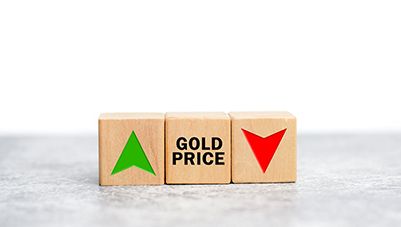
- Global gold prices: The international gold market significantly impacts local rates. Fluctuations in global prices are often mirrored in Batala.
- Currency exchange rates: Changes in currency values, especially the Indian Rupee against the U.S. Dollar, can influence gold rate in Batala.
- Demand and supply: Local demand for gold jewellery, coins, and bars, as well as the overall supply of gold in the market, affect prices.
- Inflation: Economic conditions, particularly inflation rates, can impact the value of gold as a hedge against inflation.
- Interest rates: Inverse relationship exists; higher interest rates can lead to lower gold prices.
- Government policies: Import duties and other government regulations on gold can impact prices.
- Market speculation: Investor sentiment and speculative trading can cause short-term fluctuations.
Fluctuations in gold prices in Batala are not solely influenced by market forces; they are also subject to adjustments in Goods and Services Tax (GST). Staying informed of these changes is crucial for both consumers and investors. The dynamic tax regulations can significantly impact the cost and demand for gold, demanding heightened vigilance and informed decision-making from those engaged in gold transactions. Hence, understanding these factors helps individuals and investors make informed decisions in the gold market in Batala.
Along with market movements, gold purity plays an important role in determining its price. 18K, 22K and 24K gold have different gold content and uses.
What is the difference between 18K, 22K and 24K gold?
The karat value tells you how much pure gold an item contains. A higher karat value means a higher proportion of gold, which affects its price, strength and common uses.
- 18K gold: It contains 75% pure gold, with the remaining 25% made up of other metals. This makes it harder and suitable for many types of modern and everyday jewellery.
- 22K gold: It contains around 91.6% pure gold. It is widely used for traditional jewellery because it balances gold content with durability.
- 24K gold: It contains 99.9% pure gold. It is softer than lower-purity gold and is commonly used for gold coins and bars rather than everyday jewellery.
| Feature | 18K gold | 22K gold | 24K gold |
|---|
| Purity | 75% | 91.6% | 99.9% |
| Best for | Daily wear | Traditional and wedding jewellery | Investment |
| Durability | Generally highest | High | Lower |
| Gold content | Lower | Higher | Highest |
| Common use | Modern jewellery | Wedding jewellery | Coins and bars |
The best option depends on how you plan to use your gold. Check its purity and the applicable rate before making a purchase.
Techniques to check the purity of gold
Checking the purity of gold involves several simple techniques that can be done. These techniques can offer a basic understanding of gold purity, but for precise measurements. It is recommended to consult a certified jeweller or a professional gold assayer.
- BIS hallmark: Look for the Bureau of Indian Standards (BIS) hallmark on the gold item, ensuring it meets established purity standards.
- Magnifying glass: Use a magnifying glass to inspect the gold closely. Look for stamps like "24K," "999," or "9999," indicating the highest purity.
- Colour and shine: Authentic gold has a distinct bright yellow hue and maintains a consistent shine. Discolouration or dullness may suggest impurities.
- Magnetic test: Real gold is not magnetic. If the gold attracts a magnet, it might not be pure.
- Professional assessment: For precise verification, consult a certified jeweller or gold assayer. They can conduct advanced tests for accurate purity determination.
Remember, while these methods provide basic insights, for accurate results, it is advisable to seek assistance from a certified jeweller or a professional gold dealer.
Not sure if you qualify? Find out in moments—check your gold loan eligibility and plan your next move confidently.
How can you calculate the value of your gold?
The value of gold depends on three key factors:
- Gold weight
- Gold purity
- Current gold rate
Gold value formula
Gold value = Gold weight × current gold rate
Example gold value calculation
Suppose a customer in Lucknow owns:
- 50 grams of 22K gold
- Current 22K gold rate: Rs. 13,810 per gram
Estimated gold value:
50 × Rs. 13,810 = Rs. 6,90,500
This calculation provides an estimate of the current value of your gold based on prevailing market rates. The actual value while applying for a gold loan may vary as per lender policy.
If you want to know how much loan amount your gold may support, the next step is to estimate your gold loan eligibility.
What is the best investment option: physical gold, gold ETFs, or sovereign gold bonds?
Choosing the best investment option among physical gold, Gold ETFs, and Sovereign Gold Bonds depends on your preferences and financial goals. Physical gold offers the advantage of holding a tangible asset but requires secure storage. Gold ETFs are digital and easily tradable but do not generate interest. Sovereign Gold Bonds provide interest rates, and their tax implications vary based on maturity. To make an informed decision, stay updated with the gold price today in India and monitor live gold prices regularly to gauge market trends.