What affects gold rates in Karaikudi today?
The gold rate in Karaikudi can move up or down as market conditions change. The key factors that influence the rate include:
- International gold prices: Gold is traded globally, so changes in international prices can affect rates in India and Karaikudi.
- USD-INR exchange rate: India imports a large share of its gold. A weaker rupee can make imported gold more expensive.
- RBI monetary policy: Changes in interest rates and other monetary measures can influence demand for gold as an investment.
- Import duties and GST: Government duties and applicable taxes add to the overall cost of gold.
- IBJA benchmark rates: The Indian Bullion and Jewellers Association (IBJA) publishes benchmark gold rates that are widely used as a reference in India.
- MCX gold prices: Gold futures traded on the Multi Commodity Exchange can indicate short-term market movements.
- Local demand: Buying activity during weddings, festivals and other occasions can influence gold prices in Karaikudi.
What is the difference between 18K, 22K and 24K gold?
Gold purity is measured in karats. A higher karat means the gold contains a greater proportion of pure gold, which affects its price per gram. Checking the gold rate today in Karaikudi for 22 carat alongside other purity levels helps you compare prices before buying.
- 18K gold contains 75% pure gold and is harder because it has more alloy metals. It is commonly used for modern and daily-wear jewellery.
- 22K gold contains 91.6% pure gold and offers a good balance of purity and strength, making it a popular choice for traditional jewellery.
- 24K gold contains 99.9% pure gold. It is softer and is mainly used for investment products such as gold coins and bars.
| Parameter | 18K Gold | 22K Gold | 24K Gold |
|---|
| Purity | 75% | 91.6% | 99.9% |
| Strength | Highest | High | Lower |
| Common use | Modern and daily-wear jewellery | Traditional jewellery | Investment bars and coins |
| Price | Lower | Higher | Highest |
Quick tip: Discover your borrowing potential by checking your gold loan eligibility. It takes just a few clicks and no waiting.
How can you check the purity of gold in Karaikudi?
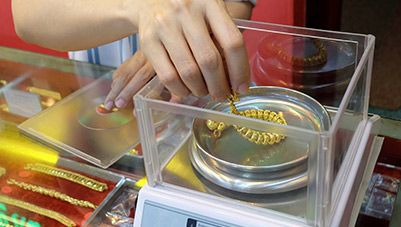
Checking the purity of gold helps you understand its quality and value before buying or selling it. Common methods include:
- Acid testing: A testing solution is used to check how the gold reacts.
- X-ray fluorescence (XRF) testing: This method analyses the metals present in the gold without damaging the jewellery.
- Electronic testing: Gold testers use electrical properties to estimate purity.
- Assay testing: A certified assayer can test a sample to determine its gold content.
- Density testing: The density of the gold is compared with that of pure gold to estimate its purity.
For jewellery purchases, checking the purity marking and BIS hallmark can also help you verify the stated purity.
How can you calculate the value of your gold in Karaikudi?
The value of your gold mainly depends on its weight, purity and applicable gold rate.
Gold value formula:
Gold value = Eligible gold weight × applicable gold rate per gram
For example, if you have 20 grams of 22K gold and the applicable 22K rate is Rs. 13,810 per gram:
20 × Rs. 13,810 = Rs. 2,76,200
This gives you an estimated gold value based on the applicable rate. The actual value may differ after considering the purity and eligible net gold weight.
If you are planning to use your gold to raise funds, you can then check your potential gold loan eligibility.
Quick tip: Wondering how much you can borrow on your gold? Just check your gold loan eligibility—it takes seconds and minimal paperwork!
How do gold rates affect gold investments?
Changes in gold rates can affect the value of physical gold and gold-linked investments such as Gold ETFs and Sovereign Gold Bonds. Tracking gold prices can help you understand the value of your existing gold and make informed decisions when buying or investing.