Rs. 5,000 - Rs. 2 crore


To find the nearest gold loan branch,
Enter phone and OTP | Check amount you can get | Apply for quick funds
Gold and its special place in India
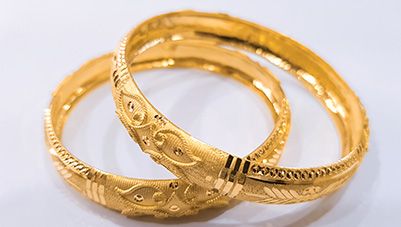
Gold is more than a precious metal in India; it is a part of who we are. From weddings and festivals to family traditions, gold carries emotions, memories, and a sense of good fortune. It symbolises prosperity and is often passed down through generations as a token of love and legacy. Whether it is worn as jewellery or kept safely for the future, gold holds sentimental as well as financial value. This deep cultural connection is why many people still choose gold carefully, wanting not just beauty but also long-term usefulness and meaning in their lives.

What is 14 carat gold?
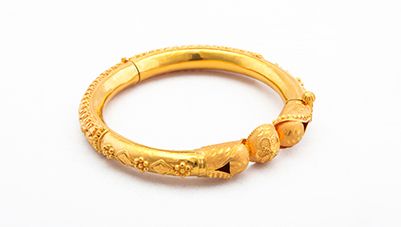
If you have ever wondered why some gold jewellery is labelled 14K, it simply reflects its purity. 14-carat gold contains 14 parts pure gold and 10 parts of other metals like copper, silver, or zinc. This gives it a purity of 58.33%. Because it is mixed with stronger metals, 14K gold is tougher and works well for detailed designs without bending easily. Many jewellers prefer it for intricate patterns, especially in traditional Indian jewellery. Knowing what 14 carat gold stands for helps you choose pieces that balance beauty, strength, and long-lasting value.

However, it finds prominence in crafting specialised items that prioritise sturdiness and a balance between purity and durability. Understanding the unique qualities and cultural significance of 14-carat gold is crucial for informed decisions about its utilisation and investment potential in India.
What is the purity percentage of 14-carat gold?
Carat is the scale used to measure how pure gold is. The higher the carat number, the more pure the gold. With 14 carat gold, the purity level is 58.33%, while the remaining 41.67% is made up of alloyed metals that add strength. This blend ensures that the jewellery stays durable while still offering the warm, classic look of gold. Understanding this percentage helps you compare different types of gold and decide what suits your needs—whether you prefer higher purity for investment or a balanced mix for everyday wear.
Methods to check 14 carat gold purity
Testing gold purity involves employing various straightforward techniques. While these methods offer a general understanding, consulting a certified jeweller or a professional gold assayer is recommended for precise assessments.
- Use a magnifying glass: Check for purity marks on the gold.
- Visual inspection: Examine for any changes in colour or blemishes that might indicate impurities.
- Magnetic test: Gold does not react to magnets, aiding in distinguishing it from other metals.
- Nitric acid test: This chemical test should be carried out by a professional.
In conclusion, verifying the purity of 14-carat gold jewellery before purchase or sale is crucial. It contains 58.33% pure gold, and its purity can be validated through hallmarking. Additionally, an acid test or an electronic gold tester can be conducted.
Understanding your gold's purity aids in determining its value. Authentic 14-carat gold jewellery, with high purity levels, can be a prudent investment or a stylish adornment. With this knowledge, confidently verify the purity of your 14-carat gold for informed gold transactions.
As gold prices change with global trends, knowing your borrowing capacity can help you stay prepared. Check your gold loan eligibility to know how much you can borrow today.
Related Articles
Disclaimer
Bajaj Finance Limited has the sole and absolute discretion, without assigning any reason to accept or reject any application. Terms and conditions apply*.
For customer support, call Personal Loan IVR: 7757 000 000
Industrial Equipment Finance
Industrial Equipment Balance Transfer
Industrial Equipment Refinance