Places to Visit in Malta

Places to Visit in Malta

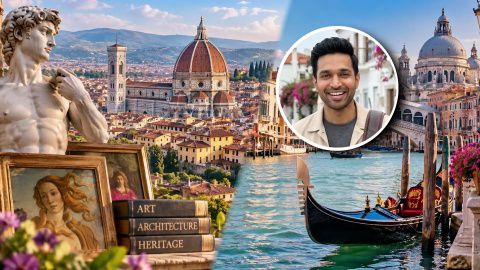
Explore Valletta’s baroque streets, the walled city of Mdina, the Blue Lagoon and Neolithic temples among the places to visit in Malta, from the capital to Comino. Use destination facts, travel timing and indicative costs to plan your Malta trip.

Rs. 40,000 - Rs. 55 lakh

You may be eligible for a pre-approved offer

Enter mobile and OTP | Check offer | No branch visit needed




Last reviewed: September 2026


In summary


You can plan your visit around the places to visit in Malta, from Valletta and Mdina to the islands of Comino and Gozo.


  • Valletta, the capital, is known for its baroque architecture and historic streets.
  • Mdina is the walled medieval city, known as the Silent City.
  • The Blue Lagoon on Comino is a swimming and snorkelling spot with clear water.
  • The Ġgantija Temples are a UNESCO World Heritage site.
  • Spring, April to June, and autumn, September to November, are the shoulder seasons with pleasant weather and lower prices.
  • Public buses and ferries are the affordable way to get around, with a weekly bus pass around Rs. 1,500.

Base yourself centrally and use buses and ferries for day trips, and estimate your cost before booking. You can check your eligibility for a personal loan before setting the budget.

Which places should you visit in Malta?

You can choose from the capital, walled historic cities, Neolithic temples, a fishing village, and island beaches, most of which are reachable by bus or ferry. The ten places to visit in Malta below cover the main island and the smaller islands.


1. Valletta

Valletta is the capital and the usual base for a Malta trip, known for its baroque architecture and grid of historic streets. Many sights are within walking distance, making it a good starting point for day trips.


AspectDetails
HighlightsBaroque capital and historic streets
LocationNorth-eastern Malta
Suitable travel periodSpring and autumn for milder weather
EntryStreets are free to walk; individual sites are ticketed
Things to doWalk the streets and visit St. John’s Co-Cathedral
TipA central base makes bus and ferry day trips easier

2. Mdina

Mdina is the walled medieval city, known as the Silent City for its quiet, largely car-free streets. It gives a sense of Malta’s medieval past within a compact area.


AspectDetails
HighlightsWalled medieval city, the Silent City
LocationCentral Malta
Suitable travel periodEarly or late in the day for quieter streets
EntryFree to walk; individual sites are ticketed
Things to doWalk the walls, lanes and viewpoints
TipReachable by bus from Valletta

3. Blue Lagoon, Comino

The Blue Lagoon on Comino Island is a sheltered bay with clear water, popular for swimming and snorkelling. It is reached by ferry, so it works as a day trip.


AspectDetails
HighlightsSheltered bay for swimming and snorkelling
LocationComino Island
Suitable travel periodWarmer months for swimming; earlier for fewer crowds
EntryNo entry fee; ferry fare applies
Things to doSwim and snorkel in the sheltered water
TipIt gets busy at midday in peak season

4. Ġgantija Temples

The Ġgantija Temples are a UNESCO World Heritage site and one of Malta’s major Neolithic monuments. The site is visited on an organised or self-guided basis.


AspectDetails
HighlightsUNESCO-listed Neolithic temples
LocationOn the Maltese islands
Suitable travel periodCooler parts of the day in summer
EntryTicketed; verify current rates
Things to doView the temple complex and interpretation area
TipCombine it with other island sights on the same trip

5. St. John’s Co-Cathedral

St. John’s Co-Cathedral in Valletta is one of the city’s principal baroque interiors. It is a ticketed sight within easy reach of the rest of the capital.


AspectDetails
HighlightsBaroque cathedral interior
LocationValletta
Suitable travel periodDaytime opening hours; check current times
EntryTicketed; verify current rates
Things to doView the interior and its artworks
TipCombine it with a Valletta walking route

6. Azure Window ruins

The Azure Window ruins mark where a natural rock arch once stood on the coast. The arch has collapsed, so the site is visited for the coastal setting rather than the formation itself.


AspectDetails
HighlightsCoastal site of the former rock arch
LocationCoast of the Maltese islands
Suitable travel periodClear days for coastal views
EntryNo entry fee
Things to doView the coastline where the arch once stood
TipThe arch has collapsed; manage expectations before visiting

7. Birgu

Birgu is a fortified city with harbour walls, narrow lanes and waterfront views. It sits across the harbour from Valletta and suits a slower half-day visit.


AspectDetails
HighlightsFortified harbour city
LocationGrand Harbour, opposite Valletta
Suitable travel periodLate afternoon for the waterfront
EntryFree to walk; individual sites are ticketed
Things to doWalk the fortifications and the waterfront
TipA harbour ferry links it with Valletta

8. Marsaxlokk

Marsaxlokk is a fishing village known for its brightly painted boats and its Sunday fish market. It gives a look at everyday Maltese life away from the main sights.


AspectDetails
HighlightsFishing village and Sunday fish market
LocationSouth-eastern Malta
Suitable travel periodSunday morning for the fish market
EntryFree; market and dining costs apply
Things to doWalk the harbour and eat fresh seafood
TipThe fish market is busiest on Sunday

9. Hypogeum of Ħal-Saflieni

The Hypogeum of Ħal-Saflieni is an underground heritage site. Access is limited, so booking arrangements should be checked well in advance.


AspectDetails
HighlightsUnderground heritage site
LocationSouthern Malta
Suitable travel periodBy booked entry slot only
EntryTicketed with limited access; verify current booking
Things to doTake a guided visit of the underground complex
TipBook well ahead, as daily visitor numbers are limited

10. Dingli Cliffs

Dingli Cliffs are among the highest points on Malta’s coast, with walking trails and open sea views. They are a free outdoor option away from the towns.


AspectDetails
HighlightsCoastal cliffs and walking trails
LocationWestern Malta
Suitable travel periodClear days for the sea views
EntryFree
Things to doWalk the clifftop trails
TipCarry water and sun protection on the exposed paths
Show More Show Less

When should you visit Malta?

Spring, April to June, and autumn, September to November, are the most comfortable times to visit Malta, with pleasant weather, thinner crowds and generally lower accommodation and flight prices. These shoulder seasons suit sightseeing across the islands.


July and August are the peak summer months, with festivals and beach activity but higher prices and larger crowds. Winter is quieter and cooler, with some reduced services at coastal spots.


Travel considerationWhat you should check
Shoulder seasonsApril to June and September to November for milder weather and lower prices
Peak summerJuly and August; festivals and beaches, but higher prices
Beach activitiesWarmer months for swimming at the Blue Lagoon
WinterQuieter and cooler, with some reduced coastal services

Which season suits your travel plans?

  • Shoulder seasons: Plan April to June or September to November for milder weather and lower prices.
  • Peak summer: Choose July and August for festivals and beaches, but expect higher prices and crowds.
  • Beaches: Visit the Blue Lagoon in the warmer months for swimming and snorkelling.
  • Winter: Consider winter for a quieter, cooler trip, but check for reduced coastal services.

For example, a five to six day trip covering Valletta, Mdina, Marsaxlokk and a Comino day works well in spring or autumn. If you travel in peak summer, book accommodation early and plan the outdoor sights for cooler hours.

Show More Show Less

How much should you budget for a Malta trip?

For a five to six day Malta trip, you can plan an indicative budget of about Rs. 80,000 to Rs. 1.8 lakh per person, including return international airfare from India. Your actual cost can vary based on travel dates, flight fares, accommodation, food choices and activities.

ExpenseIndicative cost per personWhat you should include
Return flightsRs. 35,000–Rs. 70,000International airfare from India, usually with one connection
AccommodationRs. 10,000–Rs. 30,000Budget hostels to mid-range hotels for five to six nights
Local transportRs. 2,000–Rs. 5,000Buses, ferries and other local transport during your stay
FoodRs. 8,000–Rs. 15,000Daily meals at budget to mid-range restaurants and cafés
ActivitiesRs. 8,000–Rs. 20,000Guided tours, museums, boat trips and other sightseeing activities
ContingencyRs. 5,000–Rs. 10,000Unplanned expenses, price changes and small personal expenses
Indicative per-person budgetRs. 80,000–Rs. 1.8 lakhIncludes return international airfare and typical trip expenses

The lower end may suit you if you choose economical flights, budget accommodation and fewer paid activities. The higher end can apply when you travel during busy periods, choose better accommodation, pay more for flights or include more activities.


These figures are indicative for planning and can change based on your travel dates, booking time, exchange rates and spending choices.


Once you have an estimate, you can decide how to fund the gap. A personal loan for travel can cover eligible expenses such as flights, stay and activities for eligible borrowers, subject to applicable terms. Check your eligibility for personal loan using just mobile number and OTP – 100% online process.

Show More Show Less

What costs should Indian travellers plan for?

You should account for both fixed travel costs and day-to-day spending in Malta.


  • Visa and entry: Confirm the current entry and visa requirements for Indian nationals before booking.
  • Flights: There are usually no direct flights from India, so budget for a connecting route.
  • Accommodation: Booking in advance and travelling off-peak reduce accommodation costs across the islands.
  • Local transport: Buses and ferries are the affordable way to get around; taxis and car hire cost more.
  • Food: Local eateries and street food cost less than fine dining; markets suit budget meals.
  • Activities: Many historical sites and beaches have low or no entry fees, while guided tours are charged.
Show More Show Less

Can a personal loan help fund your Malta trip?

A personal loan is an unsecured loan you can use for eligible travel expenses and repay in monthly instalments. You can consider a Bajaj Finance Personal Loan if you meet the eligibility criteria and accept the applicable terms.


Before borrowing, you can consider:

  • Loan amount: Rs. 40,000 to %$$PL-Loan-Amount$$%, subject to eligibility and applicable terms.
  • Tenure: 12 months to 108 months.
  • Interest rate: 10% to 30.5% per annum, with your applicable rate confirmed in your loan offer.
  • Security: A personal loan does not require collateral.
  • Documentation: Select customers may receive an offer with minimal documentation, depending on profile and applicable requirements.
  • Disbursal: Eligible customers may receive funds within 24 hours after approval, subject to verification.*

You can check your pre-approved loan offer online to see the amount and terms you qualify for before you finalise the itinerary.

Show More Show Less

How does a travel loan affect your monthly budget?

A personal loan adds an equated monthly instalment (EMI) to your existing commitments. You should calculate the EMI and total repayment before choosing an amount and tenure. Suppose you are 33, based in Kochi, with a net monthly income of Rs. 75,000 and a Credit Information Bureau (India) Limited (CIBIL) score of 770, and you borrow Rs. 2.5 lakh at 14% per annum for 36 months.


You can calculate the EMI using:

EMI = P × r × (1 + r)^n ÷ [(1 + r)^n − 1]

Where:

  • P: Rs. 2,50,000
  • r: monthly interest rate (14% per annum divided by 12)
  • n: 36 months

The estimated EMI is about Rs. 8,544 per month. The estimated total repayment is about Rs. 3.08 lakh, of which about Rs. 57,599 is interest, excluding applicable fees.


A longer tenure lowers your monthly EMI but raises the total interest you pay. Compare both figures before selecting the tenure.

Show More Show Less

What should you check before borrowing?

Before using a personal loan to fund your Malta trip, you should check:


  1. Total trip cost: Estimate flights, accommodation, transport, food and activity costs.
  2. Amount to borrow: Borrow only the amount you need after using your available savings.
  3. Interest rate: Confirm the applicable rate before accepting the loan.
  4. Processing fee: Review applicable processing charges and taxes.
  5. EMI: Check that the monthly repayment fits your budget.
  6. Total repayment: Compare the total amount payable with the amount borrowed.
  7. Existing EMIs: Include your current loan commitments in your monthly budget.
  8. Tenure: Compare tenures on both EMI and total interest.
  9. Eligibility: Check whether you meet the applicable eligibility criteria.
  10. Alternative funding: Compare borrowing with savings or other funding options.

Do not base non-refundable bookings on an assumed loan approval, and do not commit to travel that depends on visa approval before it is granted. Confirm the applicable loan terms before major expenses. Terms and conditions apply.

Show More Show Less

Frequently asked questions

Overview

Which is the nicest part of Malta to visit?

Valletta is often the first choice, with its baroque architecture, St. John’s Co-Cathedral and the harbour. Mdina, Birgu and Marsaxlokk each offer a different character within short travel distances. Comino suits a beach and snorkelling day. Base yourself centrally and treat the rest as day trips.

Malta is famous for its historical sites, crystal-clear Mediterranean waters, and vibrant cultural festivals. Key attractions include the ancient Ġgantija Temples, the beautiful Blue Lagoon, and the medieval city of Mdina. Malta's rich history and stunning landscapes make it a unique travel destination.


Malta can be moderately expensive for Indian travellers, mainly due to international airfare and accommodation. A five to six-day trip may cost around Rs. 80,000 to Rs. 1.8 lakh per person, including return flights, stay, food, transport and activities. Check your eligibility for personal loan using just mobile number and OTP – 100% online process.

Two days in Malta can provide a brief but enriching experience. Focus on key attractions like Valletta and the Blue Lagoon. While you'll miss some of the island's depth, two days allow you to enjoy the essential sights and a taste of Maltese culture.


Show More Show Less

Disclaimer

Bajaj Finance Limited has the sole and absolute discretion, without assigning any reason to accept or reject any application. Terms and conditions apply*.
For customer support, call Personal Loan IVR: 7757 000 000