The city, at about 1,650 metres, has four distinct seasons, each with a different temperature range, condition and highlight. The table below helps you match the season to your trip.
| Season | Temperature | Weather | Highlight | Crowds and prices |
| Spring (March to May) | 10°C to 22°C | Clear and pleasant, a few showers late May | Rhododendron blooms, reliable day trips | Peak season, higher rates |
| Monsoon (June to September) | 15°C to 25°C | Heavy rain, landslide risk | Lush greenery, lowest prices | Off-season, cheapest |
| Autumn (October to November) | 8°C to 20°C | Clear, dry and crisp | Clearest Kanchenjunga views, festivals | Peak season, higher rates |
| Winter (December to February) | 2°C to 10°C | Cold, snow at altitude | Snow at Tsomgo and Nathula, quiet | Quieter, some lower rates |
Gangtok in spring (March to May)
Spring is warm and pleasant at about 10°C to 22°C, with mostly clear skies and only a few showers towards late May. It is the best season for flowers: rhododendrons bloom across Sikkim, and the Yumthang Valley, the Valley of Flowers in North Sikkim, is at its peak from late March to May. Clear weather makes the permit-area day trips to Tsomgo Lake and viewpoints reliable. As peak season, hotels and tours cost more and book out early, so reserve ahead and pack light layers with a jacket for the evenings.
Gangtok in monsoon (June to September)
The monsoon is warm at about 15°C to 25°C but brings heavy rain, especially in July and August. The rain turns the hills green, but it also causes frequent landslides and roadblocks on NH10 and the North Sikkim roads, which can strand travellers or cancel day trips. It is the cheapest time, with the lowest hotel rates and fewest tourists, but the least reliable for sightseeing. If you travel then, keep the itinerary flexible, allow buffer days, avoid North Sikkim, and carry rain gear.
Gangtok in autumn (October to November)
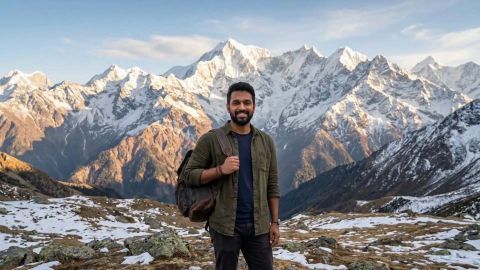
Autumn is clear, dry and crisp at about 8°C to 20°C, and it is the best time for mountain views, as the post-monsoon skies give the clearest sightings of Kanchenjunga. The day trips to Tsomgo Lake, Nathula and North Sikkim are at their most reliable, and the Dasain, Tihar and Losoong festivals fall around this time. It is peak season, so rates are high and hotels book early. Pack layers and a warm jacket for the cooler evenings.
Gangtok in winter (December to February)
Winter is cold at about 2°C to 10°C in Gangtok, and colder at altitude, with snow at the higher day trips. Tsomgo Lake and Nathula can be snow-covered, though heavy snow closes Nathula on some days and parts of North Sikkim may be inaccessible. It suits travellers who want snow and a quiet trip, with fewer crowds and some lower rates. The Losar and Losoong festivals fall around this time. Pack heavy woollens and a down jacket.