









































































































































































































































Steam Oven vs Microwave: Which Is Better for Your Kitchen

Steam Oven vs Microwave: Which Is Better for Your Kitchen

Steam ovens start at Rs. 30,000 and preserve nutrients better; microwaves from Rs. 5,000 and reheat in 2–3 minutes. Compare both and buy on Easy EMIs with Bajaj Finance.

Get pre-approved loan offer of upto Rs. 5 Lakh

Quick approval | Flexible Tenure Options | Zero Approval Fees

In Summary

Choose a microwave oven if you primarily reheat leftovers, defrost food, or need meals ready in under five minutes. Reliable solo models start at Rs. 5,000. Choose a steam oven if you prioritise nutrient retention, cooking fish and vegetables without drying them out, or baking bread with a moist crumb. Steam ovens start at approximately Rs. 30,000 and go significantly higher for premium built-in models.

  • Steam oven: Uses hot steam generated by boiling water; cooks food gently from the outside in; preserves moisture, colour, and nutrients; ideal for vegetables, fish, bread, and reheating without drying; starts at approx. Rs. 30,000
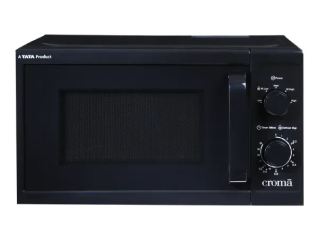
  • Microwave oven: Uses electromagnetic waves to heat water molecules inside food; very fast; ideal for reheating, defrosting, and quick cooking; does not brown or crisp food; starts at Rs. 5,000
  • Cooking times: Microwave reheats a plate in 2–3 minutes; steam oven takes 10–15 minutes for vegetables but delivers better texture and moisture retention
  • Nutrient preservation: Steam ovens retain more vitamins and minerals, especially in vegetables, because of the gentle, low-temperature cooking process
  • Texture: Steam ovens keep food moist and tender; microwaves can produce dry or rubbery results with meats, bread, and baked goods
  • Price gap: A good microwave costs Rs. 5,000–Rs. 15,000; a comparable steam oven costs Rs. 30,000 and above

You can browse microwave ovens on Easy EMIs at over 1.5 lakh partner stores across 4,000 cities, including Reliance Digital, Croma, and Vijay Sales.
IWhy does the choice between a steam oven and a microwave matter?

A steam oven and a microwave oven are built on completely different cooking technologies, which means they produce very different results for the same ingredients. The price gap between them is also substantial — from Rs. 5,000 for an entry-level microwave to Rs. 30,000 and above for even a countertop steam oven. This guide explains how each appliance works, where each excels, and which one fits your cooking habits and budget.


If you are looking for a new oven, visit any of Bajaj Finance's 1.5 lakh partner stores — like Vijay Sales, Croma, Reliance Digital, and more — across 4,000 cities, including Tier 2 cities like Jaipur, Lucknow, Kochi, Bhopal, and more in India. Choose your preferred model, then use the Bajaj Finance Insta EMI Card or Bajaj Finance Easy EMI Loan to finance it. Convert the cost into Easy EMIs that suit your monthly budget and enjoy zero down payment on select models — take it home without any upfront payment. Check your loan eligibility online in minutes so you know exactly what you can get before you step into the store.

What is a steam oven and how does it work?

A steam oven generates heat by boiling water and directing hot steam into the cooking cavity. The steam surrounds the food on all sides, cooking it evenly and gently without drying it out. Because the temperature never exceeds 100°C in pure steam mode, delicate proteins, vitamins, and minerals are preserved far better than in high-heat cooking methods. The steam environment also prevents the surface of food from forming a dry crust — which makes steam ovens excellent for reheating rice, pasta, and meats without the rubbery texture that microwave reheating can produce. Many modern steam ovens include combination modes that add convection heat or a grill element alongside steam, making them capable of baking crispy bread with a moist interior, roasting vegetables, and even grilling.


The practical trade-off is maintenance: The water reservoir must be refilled and cleaned regularly, and steam outlets require periodic descaling to prevent mineral build-up from hard water — a common consideration in Indian cities. Explore affordable options including microwave ovens under Rs. 5,000 for basic needs, or reliable Bajaj Electricals microwave ovens for mid-range performance.

What is a microwave oven and how does it work?

A microwave oven uses electromagnetic waves at a frequency of 2.45 GHz to agitate water molecules inside food, generating heat through friction. This heats food from the inside out, which is why a microwave can reheat a bowl of leftover dal in under two minutes while a steam oven would take considerably longer. Microwaves are the most time-efficient kitchen appliance for reheating, defrosting, and quick cooking tasks. Their limitation is the same as their strength — electromagnetic heating agitates water molecules efficiently, but this also means food surfaces do not dry out and brown the way they do in hot-air or steam environments. Bread reheated in a microwave goes soft; meat can become dry or rubbery at the edges while remaining cold in the centre if not stirred.


Modern convection microwave models add a fan and heating element to the core microwave function, giving you the ability to bake and grill as well as reheat and defrost — all in a single compact appliance. For budget-friendly options, explore microwave ovens under Rs. 15,000 with advanced features. For broader guidance, see the 6 tips for buying a microwave oven.


What are the key differences between a steam oven and a microwave oven?

The table below places both appliances side by side across the eight factors that most directly affect a buyer's decision. Both appliances heat food — the difference is in how that heat is applied, what it does to food texture and nutrients, and what each appliance costs.


FactorSteam ovenMicrowave oven
Cooking methodHot steam generated by boiling water; cooks from the outside inElectromagnetic waves agitate water molecules inside food; heats from the inside out
Cooking speedSlower: 10–15 minutes for vegetables; 20–30 minutes for fish or meatsVery fast: 2–3 minutes to reheat a meal; 3–5 minutes for vegetables
Nutrient retentionHigh: gentle low-temperature steam preserves vitamins and mineralsModerate: short cooking times reduce nutrient loss vs boiling, but less consistent than steam
Moisture and textureExcellent: food stays moist and tender; prevents drying and tougheningVariable: good for soups and liquids; meats and bread can become rubbery or dry
Reheating qualitySuperior for rice, pasta, fish, and meats — restores original texture and moistureFast but can produce dry or uneven results, especially with proteins and baked goods
Price (India)Rs. 30,000 and above for countertop models; built-in models significantly higherRs. 5,000 (solo) to Rs. 15,490 (convection); wide range available
Kitchen spaceLarger footprint; requires water reservoir; needs descaling maintenanceCompact; no water reservoir; no maintenance beyond cleaning
Best suited forHealth-focused cooks; regular fish, vegetable, and bread preparation; serious home cooksBusy households; daily reheating and defrosting; students; anyone prioritising speed and value

How do a steam oven and a microwave compare on cooking time?

Cooking time is the most immediately practical difference between the two appliances. For most everyday kitchen tasks, a microwave is significantly faster. The table below compares specific cooking and reheating tasks side by side to give you a realistic sense of daily use:

TaskSteam oven timeMicrowave timeWinner on speed
Reheat a plate of food10–15 minutes2–3 minutesMicrowave
Steam vegetables (broccoli, carrots)10–15 minutes3–5 minutesMicrowave
Defrost chicken (500g)20–25 minutes8–12 minutesMicrowave
Reheat rice without drying8–10 minutes2–3 minutesMicrowave
Bake bread25–35 minutesNot possible (no browning)Steam oven
Cook fish fillet12–18 minutes4–6 minutes (texture inferior)Steam oven (for quality)

The microwave wins on speed for almost every task. The steam oven wins on quality — particularly for reheating rice, pasta, and fish where the steam prevents drying — and for cooking tasks where the microwave simply cannot produce a comparable result (baking bread, for example).

Which appliance is better for your health - Steam oven or microwave?

Both appliances are safe and healthy when used correctly. The difference in health impact comes from how each method affects the nutrients in food, not from the technology itself.


  1. Steam cooking is widely recognised as one of the best methods for preserving water-soluble vitamins — particularly Vitamin C and B vitamins — because the cooking temperature stays low (at or below 100°C) and food is not submerged in water that is then discarded. Boiling vegetables in water removes a significant portion of these vitamins into the cooking liquid; steaming avoids this entirely.


  2. Microwave cooking also preserves nutrients well compared to boiling, because cooking times are very short and little or no water is used. The nutrient retention advantage of steam over microwave is real but modest for most everyday ingredients. The more significant health advantage of steam ovens is in texture — food cooked in steam retains moisture and does not require added oil or fat to stay palatable, which can benefit overall dietary intake for people cooking fish, vegetables, and lean proteins regularly.

What are my financing options to buy a microwave oven?

Bajaj Finance offers two financing options for purchasing microwave ovens. Both options are available at over 1.5 lakh partner stores across 4,000 cities in India, including Croma, Reliance Digital and Vijay Sales.

OptionLimitKey features
Bajaj Finance Insta EMI CardPre-approved card limit up to Rs. 3 lakhZero annual fee —upto 60 months tenure — works at 1.5 lakh partner outlets — 1 million+ eligible products
Bajaj Finance Easy EMI LoanLoan limit up to Rs. 5 lakhQuick loan approval — upto 60 months tenure — basic KYC documents needed — ideal for higher-value purchases

How to choose? Both options require you to be physically present at a partner store. The Insta EMI Card is ideal for shoppers who want to purchase across multiple categories over time. The Easy EMI Loan suits buyers looking to finance a higher-value oven purchase in a single transaction. A minimum CIBIL score of 650 is required for both options.


Also explore the latest offers. You may find a great deal on a model that matches your needs.

How do I buy a microwave oven on EMI at a Bajaj Finance partner store?

The process is simple and typically takes 10 to 15 minutes once you are at the store.


  1. Browse models on Bajaj Mall: Explore the range of oven models on Bajaj Mall. Compare capacity, wattage, cooking modes, and prices before heading to the store.
  2. Find a partner store near you: Use the Bajaj Finance store locator to find a nearby partner outlet such as Croma, Vijay Sales, or other authorised retailers.
  3. Check the oven in person: Visit the partner store and explore available models. Check capacity in litres, wattage, number of cooking modes, timer functionality, and included accessories to find the one that suits your cooking needs.
  4. Choose a suitable EMI option: At checkout, ask the store executive about the Bajaj Finance Insta EMI Card or Easy EMI Loan. Confirm available tenure options and whether your chosen model comes with a zero down payment offer.
  5. Complete payment and take your oven home: Once approved, your purchase is processed immediately and you can leave the partner store the same day.

You can also check your loan eligibility online in advance by entering your mobile number and OTP, helping you plan your purchase better

Maximise your savings with Maha Bachat

Combine the best summer offers, EMI plans, and exclusive vouchers with Maha Bachat to save big.

20k+ people used their offers at the store

Why use the Smart Savings Calculator

Bajaj Finance’s Smart Savings Calculator helps you unlock maximum savings every time you shop at partner stores. It brings together all available brand, dealer, and scheme offers—so you can see your total savings instantly and shop smarter with Easy EMIs.


1. Dealer offers - Grab exclusive in-store deals at over 1.5 lakh partner stores across India. Enjoy local discounts and special prices you will not find online.

2. Brand offers - Access limited-time discounts from top brands across electronics, appliances, and more. Discover brand-specific savings selected just for you.

3. Bajaj offers - Unlock exclusive Bajaj Finance deals on popular products—available only to our customers. More rewards, more value.

4. Scheme offers - Take advantage of time-sensitive offers on select EMI schemes. Get extra benefits after paying just 3 EMIs—visible during EMI selection at checkout.


Calculate your extra savings today!

Disclaimer

While care is taken to update the information, products, and services included in or available on our website and related platforms/websites, there may be inadvertent inaccuracies or typographical errors or delays in updating the information. The material contained in this site, and on associated web pages, is for reference and general information purpose and the details mentioned in the respective product/service document shall prevail in case of any inconsistency. Subscribers and users should seek professional advice before acting on the basis of the information contained herein. Please take an informed decision with respect to any product or service after going through the relevant product/service document and applicable terms and conditions. In case any inconsistencies observed, please click on reach us.

*Terms and conditions apply