













































































































































































































Published Apr 18, 2026 3 min read

Understanding wall fan wattage and how it works

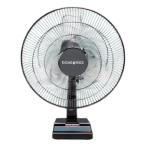
Wall fan wattage refers to the amount of electrical power a fan uses to run. It is measured in watts and indicates how much electricity the fan consumes during operation. Higher wattage usually means stronger airflow and faster rotation, while lower wattage focuses on energy efficiency and lower power usage. Wall fans work by converting electrical energy into mechanical motion through a motor. This motor spins the blades, which circulate air across the room. Efficient models balance wattage and airflow to provide good cooling without increasing electricity bills, making them suitable for everyday home use.


If you are planning to buy a wall fan, visit any of Bajaj Finserv’s 1.5 lakh partner stores in 4,000 cities in India. Choose your ideal model, pay with Easy EMIs, and enjoy zero down payment on select deals. Simply check your loan eligibility now and bring home your desired product without worrying about overspending.
Comparing wall fan wattage across sizes and types

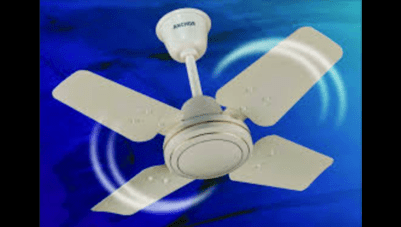
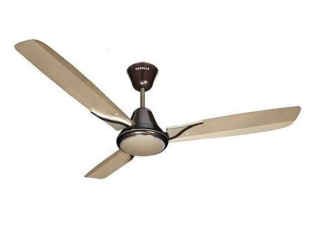
Wall fan wattage varies depending on blade size, motor efficiency, and design type. Smaller fans usually consume less power but provide limited airflow, while larger models offer stronger air circulation with slightly higher wattage. Understanding these differences helps in choosing a fan that balances cooling performance and energy efficiency for daily use.


Fan sizeFan typeTypical wattageAirflow levelPower efficiencySuitable usage
200 mm to 250 mmCompact wall fan30W to 45WLow to moderateHigh efficiencySmall rooms, kitchens
300 mmStandard wall fan45W to 55WModerate airflowBalanced efficiencyBedrooms, study rooms
400 mmHigh-speed wall fan55W to 75WHigh airflowModerate efficiencyLiving rooms, larger spaces
400 mm to 450 mmOscillating wall fan60W to 80WWide air distributionBalanced efficiencyMedium to large rooms
450 mm and aboveIndustrial wall fan80W to 120WVery high airflowLower efficiencyShops, halls, commercial areas
BLDC motor fansEnergy-efficient wall fan25W to 40WModerate to highVery high efficiencyHomes focused on energy saving

Easy steps to calculate wall fan monthly electricity bill

Understanding how much a wall fan adds to your electricity bill helps manage daily energy usage better. The calculation is simple and depends on wattage, usage hours, and electricity rate per unit.


  • Check fan wattage: Identify the wattage of your wall fan, usually mentioned on the product label, such as 50W or 75W, which shows how much power it consumes.
  • Convert wattage to kilowatts: Divide wattage by 1000. For example, a 50W fan becomes 0.05 kW for easier calculation of electricity usage.
  • Estimate daily usage hours
    Multiply the kilowatt value by the number of hours the fan runs daily, such as 10 hours for regular home use.
  • Calculate daily consumption: Multiply power usage per hour by daily usage hours to find daily electricity consumption in kilowatt-hours (units).
  • Find monthly consumption: Multiply daily consumption by 30 days to estimate total monthly electricity usage.
  • Apply electricity tariff: Multiply total units by your local electricity rate per unit to calculate monthly cost.
  • Analyse usage pattern: Compare results with other appliances to manage energy consumption more efficiently and reduce overall electricity bills.

This simple method helps users understand real electricity costs and encourages smarter usage of wall fans at home.

Factors that affect wall fan wattage consumption

Wall fan wattage consumption depends on several technical and usage-related factors that influence how much electricity the fan uses during operation. Understanding these helps in choosing an energy-efficient model and managing electricity bills effectively.


  • Motor type: Conventional induction motors consume more power, while BLDC motors are more energy-efficient and use significantly lower wattage for the same airflow.
  • Blade size and design: Larger blades require more energy to rotate, increasing wattage consumption, while aerodynamic blade designs improve airflow efficiency with less power.
  • Speed settings used: Higher speed settings increase motor load and wattage usage, while lower speeds consume less electricity but provide reduced airflow.
  • Operating hours per day: Longer usage directly increases total electricity consumption, making duration one of the biggest factors affecting monthly energy cost.
  • Maintenance condition: Dusty blades or worn-out bearings force the motor to work harder, increasing wattage consumption and reducing efficiency over time.
  • Voltage stability: Fluctuating voltage supply can affect motor performance, sometimes leading to higher energy consumption and reduced efficiency.
  • Fan quality and build: High-quality fans are designed for optimized airflow and lower energy loss, helping maintain stable wattage consumption during operation.

These factors collectively determine how efficiently a wall fan uses electricity and highlight the importance of choosing the right model for long-term savings.

Tips to reduce wall fan power consumption

Reducing wall fan power consumption helps lower electricity bills while maintaining comfortable airflow at home. Simple usage habits and proper maintenance can significantly improve energy efficiency without affecting cooling performance.


  • Use lower speed settings:
    Running the fan at medium or low speed reduces motor load and helps save electricity during regular use.
  • Switch off when not needed:
    Turning off the fan when leaving a room avoids unnecessary energy consumption and reduces monthly power usage.
  • Choose energy-efficient models:
    BLDC wall fans consume less electricity compared to traditional induction motor fans while delivering effective airflow.
  • Keep blades clean:
    Regular cleaning prevents dust buildup, allowing the fan to rotate smoothly and use less power.
  • Ensure proper installation height:
    Correct positioning improves air circulation, reducing the need to run the fan at higher speeds.
  • Avoid voltage fluctuations:
    Using a stabiliser or ensuring stable power supply helps maintain efficient motor performance.
  • Use timers when available:
    Timer settings help control usage duration, preventing the fan from running longer than required.

Following these simple tips can help optimise wall fan usage, improve efficiency, and reduce overall electricity costs effectively.

How to choose the right wall fan wattage?

Choosing the right wall fan wattage depends on room size, cooling needs, and energy efficiency preferences. The goal is to balance airflow performance with lower electricity consumption for daily comfort and cost savings.

  • Consider room size:
    Smaller rooms work well with 30W to 50W fans, while larger rooms may need 60W to 80W for better air circulation.
  • Check airflow requirement:
    Higher wattage fans deliver stronger airflow, suitable for spaces needing quick and wide cooling coverage.
  • Balance efficiency and usage:
    Lower wattage fans consume less electricity, making them ideal for long daily usage in bedrooms or kitchens.
  • Look at motor type:
    BLDC motors offer better efficiency at lower wattage, while conventional motors may consume more power for similar output.
  • Match usage duration:
    For long hours of operation, choosing a lower wattage fan helps reduce electricity bills.
  • Evaluate installation location:
    Poor ventilation areas may require slightly higher wattage for effective air movement.
  • Check speed settings:
    Multi-speed fans allow better control over power usage and airflow based on daily needs.

Selecting the right wattage ensures efficient cooling, reduced electricity consumption, and better overall performance for home use.

Get electronics and appliances on Easy EMIs with Bajaj Finserv

Upgrading your home with the latest electronics and appliances is now easier and more affordable with Bajaj Finserv’s flexible financing options. You can also maximise your savings by using the Maha Bachat Savings Calculator—a smart tool that combines brand offers, dealer offers, and EMI offers, all in one place, helping you lower the overall cost while still paying in small, bite-sized instalments. Follow these steps to get started:

  • Explore products on Bajaj Mall: Browse a wide range of electronics and appliances from trusted brands. Compare features like energy ratings, storage capacity, performance settings, and design to choose the right product for your home.
  • Visit a partner store: Once you shortlist a model, step into any of Bajaj Finserv’s 1.5 lakh partner stores across 4,000 cities in India. See the product in person, talk to experts, and make a confident decision.
  • Choose the Easy EMI Loan option: At checkout, select the Bajaj Finserv Easy EMI Loan. Avail financing of up to Rs. 5 lakh and split the cost into convenient monthly instalments. Some products also come with a zero down payment option.
  • Check your loan eligibility online: Plan better by checking your loan eligibility in minutes. Simply enter your mobile number and OTP to know your pre-approved limit.
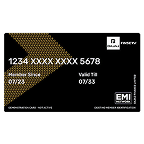
  • Use the EMI Network Card for purchases up to Rs. 3 lakh: Already own the Bajaj Finserv EMI Network Card? Use it for instant, paperless checkout and convert your purchases of up to Rs. 3 lakh into Easy EMIs.

Frequently asked questions

Can I buy a wall fan on EMI?

Yes, you can easily bring home your preferred wall fan using Bajaj Finserv’s Easy EMI options. Whether you already have the EMI Network Card or are new to it, here is how to begin:


If you have the Bajaj Finserv EMI Network Card:

  • Explore wall fans on Bajaj Mall: Choose from a wide range of popular wall fan brands.
  • Visit a partner store: Check out the product in person at any of Bajaj Finserv’s 1.5 lakh partner stores across 4,000 cities in India.
  • Use your EMI Network Card at checkout: Convert the cost into Easy EMIs that fit your monthly budget.
  • Zero down payment on select models: Take your chosen wall fan home without paying anything upfront.

If you do not have an EMI Network Card:

Check your Insta EMI Card eligibility online using your mobile number and OTP. If you are eligible, apply instantly and enjoy a smarter, more affordable way to buy your favourite wall fan on Easy EMIs.

How many watts does a wall fan use?

A wall fan typically uses between 30W and 80W depending on size, motor type, and speed settings. Smaller models consume less power, while larger or high-speed fans use higher wattage for stronger airflow and better cooling performance.

Does wall fan consume more electricity than ceiling fan?

Wall fans generally consume less electricity than ceiling fans, as they are smaller and operate in focused areas. However, usage duration and speed settings also affect overall consumption, making both relatively efficient for daily home use.

How much does it cost to run a wall fan for 8 hours?

Running a 50W wall fan for 8 hours uses about 0.4 units of electricity. At an average rate, the cost remains very low, making wall fans an economical cooling option for daily household usage.

Which wall fan wattage is best for home use?

For home use, 40W to 60W wall fans are ideal as they offer a good balance of airflow and energy efficiency. They work well for bedrooms, kitchens, and small living spaces with moderate cooling needs.

Do wall fans with higher wattage give more air?

Higher wattage wall fans generally produce stronger airflow due to more powerful motors. However, blade design and efficiency also matter, so higher wattage does not always guarantee better air delivery in all fan models.

Show More Show Less

Bajaj Finserv app for all your financial needs and goals

Trusted by 50 million+ customers in India, Bajaj Finserv App is a one-stop solution for all your financial needs and goals.

You can use the Bajaj Finserv App to:

  • Apply for loans online, such as Instant Personal Loan, Home Loan, Business Loan, Gold Loan, and more.
  • Invest in fixed deposits and mutual funds on the app.
  • Choose from multiple insurance for your health, motor and even pocket insurance, from various insurance providers.
  • Pay and manage your bills and recharges using the BBPS platform. Use Bajaj Pay and Bajaj Wallet for quick and simple money transfers and transactions.
  • Apply for Insta EMI Card and get a pre-qualified limit on the app. Explore over 1 million products on the app that can be purchased from a partner store on Easy EMIs.
  • Shop from over 100+ brand partners that offer a diverse range of products and services.
  • Use specialised tools like EMI calculators, SIP Calculators
  • Check your credit score, download loan statements and even get quick customer support—all on the app.

Download the Bajaj Finserv App today and experience the convenience of managing your finances on one app.

Disclaimer

1. Bajaj Finance Limited (“BFL”) is a Non-Banking Finance Company (BAJAJ FINANCE) and Prepaid Payment Instrument Issuer offering financial services viz., loans, deposits, Bajaj Pay Wallet, Bajaj Pay UPI, bill payments and third-party wealth management products. The details mentioned in the respective product/ service document shall prevail in case of any inconsistency with respect to the information referring to BFL products and services on this page.

2. All other information, such as, the images, facts, statistics etc. (“information”) that are in addition to the details mentioned in the BFL’s product/ service document and which are being displayed on this page only depicts the summary of the information sourced from the public domain. The said information is neither owned by BFL nor it is to the exclusive knowledge of BFL. There may be inadvertent inaccuracies or typographical errors or delays in updating the said information. Hence, users are advised to independently exercise diligence by verifying complete information, including by consulting experts, if any. Users shall be the sole owner of the decision taken, if any, about suitability of the same.