Choosing the right cooling solution is vital for comfort during India’s sweltering summers. With a booming HVAC market, air coolers and air conditioners dominate as the most popular options. Each has unique features, making them suitable for different needs and budgets. However, selecting the right one can be overwhelming.
Air conditioners are often considered high-value investments, requiring careful financial planning. Similarly, air coolers, while more affordable, may still strain a tight budget. This is where the Bajaj Finserv Insta EMI Card becomes an excellent tool. It offers flexible financing, making it easier to own these essential appliances without compromising your financial health. With hassle-free application and easy EMIs, this card ensures your aspirations are within reach.
Let us explore the difference between air cooler and air conditioners and how the Bajaj Finserv Insta EMI Card can make purchasing them easier.
What is an air cooler?
An air cooler is a budget-friendly, energy-efficient appliance that cools the air by evaporating water. It works best in dry climates, as it adds moisture to the air. Here is how an air cooler operates and its benefits:
- Working mechanism: Air coolers draw warm air, pass it through water-soaked cooling pads, and release cooler, humid air into the room. This natural cooling process consumes significantly less energy compared to air conditioners.
- Energy efficiency: Air coolers use only a fraction of the electricity required by air conditioners, making them an eco-friendly option.
- Cost-effectiveness: They are affordable and have low operating costs, as they do not require refrigerants or compressors.
- Portability: Most air coolers are lightweight and come with wheels, making them easy to move from room to room.
What is an air conditioner?
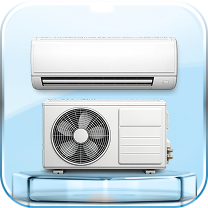
An air conditioner, commonly referred to as AC, is a sophisticated cooling device that provides precise temperature control. It works by removing heat and humidity from indoor air and releasing cool, dry air back into the room. Here is a closer look at air conditioners:
- Working mechanism: Air conditioners use a refrigerant and compressor to absorb heat from indoor air, which is then expelled outside. The cooled air is circulated back into the room.
- Climate versatility: ACs are effective in both humid and dry climates, providing consistent cooling regardless of external conditions.
- Advanced features: Modern air conditioners often include options like temperature control, air purification, and energy-saving modes.
- Higher investment: While they provide superior cooling, air conditioners are more expensive upfront and consume more electricity compared to air coolers.
Check Also: Buy Voltas AC on EMI
Top 10 differences between air coolers and air conditioners
| Difference | Air cooler | Air conditioner |
| Cooling mechanism | Uses water evaporation for cooling | Uses refrigerants and a compressor for cooling |
| Electricity usage | Consumes very little electricity | Higher energy consumption |
| Cost | More affordable upfront and operationally | Expensive initial and operational cost |
| Suitability for climate | Works well in dry climates | Effective in both dry and humid conditions |
| Portability | Lightweight and mobile | Fixed installation, not portable |
| Humidity control | Adds moisture to the air | Reduces humidity |
| Maintenance | Easy to maintain and clean | Requires professional servicing |
| Noise levels | Generally noisier | Operates more quietly |
| Environmental impact | Environmentally friendly, no refrigerants | Uses refrigerants, which may impact the environment |
| Additional features | Basic functionality | Advanced features like air purification |