
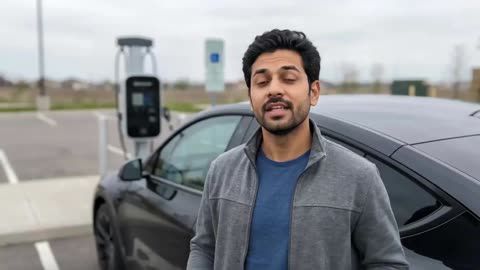
Advantages and Disadvantages of Electric Vehicles

Advantages and Disadvantages of Electric Vehicles

Electric vehicles attract 5% GST versus up to 40% on larger petrol cars. Explore the pros and cons of EVs and buy your e-bike with the Insta EMI Card.

EMI Calculator
FAQs
Video

Get a card loan offer of up to Rs. 6 lakh

Enter mobile and OTP | Check offer | No branch visit needed

In summary

Electric vehicles attract 5% GST versus up to 40% on petrol cars, but they typically cost 20% to 40% more upfront and offer a real-world range of just 100 to 250 km on a charge. Here is what actually matters when weighing the trade-offs:


  • Running cost: EVs cost around Rs. 1 to Rs. 1.5 per km to run, versus Rs. 4 to Rs. 6 per km for petrol.
  • Charging gap: India has fewer than 30,000 public charging stations against over 10 million registered EVs.
  • Battery cost: Replacing an EV battery after warranty can cost Rs. 45,000 to over Rs. 1,20,000.
  • Lower-cost entry: E-bikes start at Rs. 7,999 and deliver similar running-cost savings at a fraction of a scooter or car's price.


If an e-bike fits your needs, check your Insta EMI Card eligibility using your mobile number and OTP, and split the cost into Easy EMIs.

What are electric vehicles?

Electric vehicles, commonly known as EVs, run entirely on electricity stored in rechargeable battery packs, using one or more electric motors for propulsion instead of a petrol or diesel internal combustion engine. In India, EVs span a broad range of categories — electric bicycles, electric two-wheelers such as scooters and motorcycles, electric three-wheelers, and electric passenger cars and SUVs. They recharge via home charging points, public charging stations, or a simple wall socket, and produce zero direct tailpipe emissions during operation.


→ Important note: The Bajaj Finance Insta EMI Card can be used to buy e-bikes (pedal-assist electric bicycles that need no registration), but not registered electric scooters, motorcycles, or cars — these are vehicles and require dedicated auto financing rather than a retail card loan. The advantages, disadvantages, and types covered below apply to EVs broadly, but the pricing, EMI, and how-to-buy sections that follow are specific to e-bikes.

What are the advantages of buying an electric vehicle?

Electric vehicles offer a compelling set of benefits that make them an increasingly practical choice for Indian buyers. The table below lists the key advantages, with real numbers wherever possible.


AdvantageWhy it matters
Zero tailpipe emissionsEVs produce no direct air pollution during operation, contributing to cleaner city air and reducing your individual carbon footprint.
Lower running costsCharging an e-bike costs under Rs. 5 per full charge, and an EV in general costs around Rs. 1 to Rs. 1.5 per km, versus Rs. 4 to Rs. 6 per km for petrol.
Fewer moving parts, lower maintenanceElectric motors have fewer than 20 moving parts, compared to over 2,000 in a petrol engine, resulting in fewer service visits.
Smooth, quiet performanceElectric motors deliver instant torque for quick, responsive acceleration and operate far more quietly than combustion engines.
Lower GSTElectric vehicles attract a concessional 5% GST, compared to 18% on small petrol cars and up to 40% on larger petrol cars and SUVs.
Reduced dependence on fossil fuelsOwning an EV insulates you from petrol and diesel price swings, giving you more predictable monthly transport costs.
Regenerative brakingMost EVs recover energy during braking and feed it back into the battery, which can extend brake pad life by 30% to 50%.
Home charging convenienceA 50% top-up at home typically costs Rs. 160 to Rs. 200 for a mid-size EV, versus Rs. 450 to Rs. 600 at a public charging station.

Last updated: September 2026
Disclaimer: Advantages listed are general in nature and may vary depending on the specific vehicle, usage, and local conditions.


→ Pro tip: If you mainly need EV-style savings for a short daily commute, an e-bike delivers most of the running-cost and maintenance benefits above at a fraction of the price of a scooter or car, and it is the only EV category you can buy with the Insta EMI Card.

What are the disadvantages of buying an electric vehicle?

Despite their many strengths, electric vehicles also carry genuine limitations that are important to understand before making a purchase decision. The table below lists the key drawbacks, with real numbers wherever possible.


DisadvantageWhy it matters
Higher upfront costEVs typically cost 20% to 40% more than an equivalent petrol or diesel vehicle of the same segment, largely due to the battery pack.
Range anxietyMost EVs in India, particularly two-wheelers, offer a real-world range of 100 to 250 km per charge, which can cause concern on long journeys.
Charging infrastructure gapsIndia has fewer than 30,000 public charging stations nationwide, roughly one charger per 235 EVs, against a global benchmark of one per 6 to 20.
Longer refuelling timeEven fast charging takes 30 to 60 minutes for a meaningful top-up, unlike the 3 to 5 minutes required to refuel a petrol vehicle.
Battery replacement costDepending on battery capacity and brand, replacement can cost anywhere from around Rs. 45,000 to over Rs. 1,20,000 after the warranty period.
Limited model variety at lower price pointsAffordable EVs are available, but buyers seeking specific body styles or premium features have fewer options than in the petrol vehicle market.
Depreciation uncertaintyThe EV market is evolving rapidly, and resale values for older models can be unpredictable as newer, more capable EVs enter the market.
Electrical grid dependencyIn areas with frequent power cuts, daily charging can become inconvenient without a backup power solution.

Last updated: September 2026
Disclaimer: Disadvantages listed are general in nature and may vary depending on the specific vehicle, region, and charging setup.


→ Key takeaway: Most disadvantages here relate to planning — range, charging access, and total cost — rather than the vehicle itself, so matching your EV to your actual daily travel distance addresses the biggest concerns before you even buy.

What are the types of electric vehicles?

The Indian EV market covers a wide range of vehicle types, each suited to different use cases, budgets, and journey requirements. The table below breaks down the main categories.


TypeBest suited forKey characteristics
Electric bicycles (e-bikes)Short commutes, students, fitness-focused ridersPedal-assist, no registration needed, priced from around Rs. 7,999; the only EV category buyable on the Insta EMI Card.
Electric two-wheelers (scooters)Daily urban commuters, students, delivery ridersCompact, affordable, easy to charge at home, ideal for city distances under 100 km.
Electric two-wheelers (motorcycles)Performance-oriented riders and commuters wanting higher speedsHigher top speed and range than scooters, sportier design.
Electric three-wheelersLast-mile cargo and passenger transport, e-rickshawsHigh payload capacity, low operating cost, widely used in Tier 2 and Tier 3 cities.
Electric hatchbacks and sedansSmall families and urban professionalsCompact city EVs with practical range for daily office and errand use.
Electric SUVs and crossoversFamilies and buyers wanting more space and longer rangeLarger battery capacity, more seating, higher ground clearance, growing model choice.
Hybrid and plug-in hybrid vehiclesBuyers wanting fuel savings or EV benefits with a petrol backupCombines a petrol engine with an electric motor; PHEVs add external charging capability.

Last updated: September 2026
Disclaimer: Categories are general in nature and specific model availability may vary by city and dealer. Only electric bicycles are eligible for purchase via the Insta EMI Card.

What makes an EV worth it — and when is it not?

India crossed 10 million registered EVs in 2026, but an EV is not automatically the right choice for everyone. Here is when it genuinely pays off, and when it does not.

  • Worth it if you drive short, predictable distances: If your daily commute stays under 100 km, most EVs comfortably cover it on a single charge.
  • Worth it if you can charge at home: Home charging makes ownership genuinely convenient; without it, you are dependent on India's still-thin public network.
  • Not worth it yet for frequent long-distance driving: Charging stops of 30 to 60 minutes add up fast if you regularly drive over 250 km in a day.
  • Not worth it if upfront budget is tight: EVs cost 20% to 40% more than a petrol equivalent, so the running-cost savings take time to pay that back.

→ Key takeaway: An EV pays off fastest for short, predictable, home-charged commutes; for long-distance or budget-constrained buyers, a petrol vehicle, or an e-bike for short trips, may still make more sense.

Price list of the top e-bikes you can buy on EMI

Here are e-bikes available in India that you can buy using the Insta EMI Card, ranging from a simple conversion kit to a long-range commuter model.


Model nameKey featuresWhy should you get thisPrice
Voltebyk Electric Cycle Conversion Kit250W motor, 36V battery, throttle and display, fits most 26T/29T cyclesThe cheapest way to electrify a bicycle you already ownRs. 7,999
Voltebyk Shine (Ladies Edition)Up to 40 km range, dual disc brakesA lightweight design suited to shorter city commutesRs. 24,990
Voltebyk Eco Bike ProUp to 40 km range, alloy frame, dual disc brakesReliable build quality at a budget-friendly price pointRs. 27,990
Voltebyk HashTag 21 (13Ah)Up to 75 km range, 21-speed Microshift gearsThe longest range in this line-up, suited to longer daily commutesRs. 34,990

Last updated: September 2026
Disclaimer: Product features, availability, and prices may differ based on location and time. For the latest and most accurate details, visit the official brand website or a partner store.

Show more
Show less

What factors should I consider before buying an e-bike?

Buying an e-bike is a smaller commitment than a scooter or car, but it still helps to think it through. Here is what to check first.

  • Daily range: Most e-bikes cover 40 to 75 km per charge, plenty for city commuting but not for long-distance travel.
  • Charging convenience: E-bikes charge from a standard wall socket, so confirm you have safe access to one at home or work.
  • Frame and fit: Check the frame size and weight, since this affects comfort on longer rides more than motor power does.
  • Warranty on the battery and motor: These are the priciest parts to replace, so confirm what is covered and for how long.

→ Pro tip: If you already own a bicycle you like, a conversion kit at under Rs. 8,000 can be a cheaper way into e-biking than buying a new e-bike outright.

How can I pay for my e-bike?

When buying an e-bike, you have two straightforward ways to pay. Here is how they compare.

  • Pay the full amount upfront: Pay the entire price, ranging from Rs. 7,999 to Rs. 34,990 depending on the model, at the time of purchase.
  • Use the Bajaj Finance Insta EMI Card: Get a pre-qualified card loan of up to Rs. 6 lakh and split the cost across 3 to 60 months, without needing a separate credit card.

→ Buyer scenario: A commuter buying the Voltebyk HashTag 21 at Rs. 34,990 can use the Insta EMI Card to avoid paying the full amount upfront, spreading it across a tenure that suits their monthly budget instead of dipping into savings for a one-time purchase.

The table below shows how the same Rs. 34,990 purchase breaks down across different tenures, so you can see how a shorter or longer repayment period changes your monthly EMI.


TenureIndicative EMI
3 monthsRs. 11,663
6 monthsRs. 5,832
12 monthsRs. 2,916
24 monthsRs. 1,458
36 monthsRs. 972

Disclaimer: These are indicative figures based on a simple division of the product price across the tenure shown, with no interest, processing fee, or other charges factored in. Your actual EMI amount will depend on the terms of your card loan offer.

What is a Bajaj Finance Insta EMI Card?

The Bajaj Finance Insta EMI Card is a pre-qualified card loan, not a credit card, issued to existing Bajaj Finance customers with a good repayment record and to new applicants who pass KYC and eligibility checks. Here is what the card offers.

  • A card loan offer of up to Rs. 6 lakh, usable on your e-bike and other purchases.
  • A repayment tenure across 3 to 60 months, so you can pick a duration that fits your monthly budget.
  • Access to 1.5 lakh+ partner stores across over 4,000 cities in India, both online and offline.
  • A one-time joining fee of Rs. 530, with zero annual fee from the second year onwards.

Check your Insta EMI Card eligibility online using your mobile number and OTP. If eligible, you can apply instantly and start shopping for your preferred e-bike easily and affordably.

How to apply for an Insta EMI Card

Applying for the Bajaj Finance Insta EMI Card takes only a few minutes online and does not need any physical paperwork. Follow these steps to apply.

  1. Enter your 10-digit mobile number and click on 'CHECK OFFER' on this page.
  2. Enter the OTP and submit.
  3. Enter your full name and click on 'Yes, Auto-Fetch Details'.
  4. Verify your pre-filled personal details and click on 'CONTINUE'.
  5. Check your pre-qualified card loan offer amount and click on 'CONTINUE'.
  6. Review your wallet setup details and verify the OTP.
  7. Complete your identity verification by confirming your current residential address.
  8. Pay the one-time joining fee of Rs. 530 (inclusive of applicable taxes).
  9. After successful payment, view your card details on the Bajaj Finance app.

Note: The online process may differ depending on whether you are a new customer or have an existing relationship with us.


Also read: How to apply for the Insta EMI Card

How do I use the Insta EMI Card to buy an e-bike on EMI?

You can use the Insta EMI Card to buy an e-bike either at a partner store or through an online platform. Here is how both work.

At a partner store

Using the Bajaj Finance Insta EMI Card at any of 1.5 lakh+ partner stores is quick and straightforward. Follow these steps:

  • Browse and select the e-bike you want to buy at the partner store.
  • At checkout, tell the store executive you want to pay using the Bajaj Finance Insta EMI Card.
  • Share your registered mobile number and card details with the executive.
  • Choose a repayment tenure across 3 to 60 months that fits your monthly budget.
  • Authenticate the transaction using the OTP sent to your registered mobile number.
  • Your purchase is approved instantly. Take your e-bike home.

For online purchases

You can also buy an e-bike online through the brand's website or a partner e-commerce platform. Here is how:

  • Add the e-bike to your cart on the brand's website, Amazon, or Flipkart.
  • At checkout, select the Bajaj Finance Easy EMI option.
  • Enter your Insta EMI Card details and registered mobile number.
  • Choose your preferred repayment tenure across 3 to 60 months.
  • Confirm using the OTP sent to your registered mobile number.
  • Your order is placed, and the EMI deduction begins from the next billing cycle.

You can also check your Insta EMI Card eligibility online in advance by entering your mobile number and OTP, helping you plan your purchase better.

Benefits of using the Insta EMI Card

The Bajaj Finance Insta EMI Card offers several advantages beyond just splitting payments. From flexible tenures to wide acceptance, here are the key benefits that make this card a practical choice for everyday purchases.


FeatureDetails
Easy EMIsSplit the cost of your purchase into affordable monthly instalments with minimal interest, making it budget-friendly.
High pre-qualified limitGet up to Rs. 6 lakh card loan offer amount to buy multiple products without upfront stress.
Wide acceptance networkAccepted at over 1.5 lakh partner stores across 4,000 cities and major e-commerce platforms.
Flexible repayment tenureChoose a repayment period from 3 to 60 months based on your financial comfort.
Zero down payment offersAvail deals with no upfront payment requirement on select models.
Credit score benefitTimely EMI payments may help strengthen your credit profile and financial health.


Also read: Features and benefits of the Bajaj Finance Insta EMI Card

What is the eligibility criteria for the Insta EMI Card?

Before you apply, it helps to check whether you meet the basic eligibility requirements. The Bajaj Finance Insta EMI Card is open to most working Indians, and the criteria are simple to understand at a glance.

  • Nationality: Indian Citizen.
  • Age: 21 years to 70 years.
  • Credit score:A healthy credit score per Bajaj Finance policies.
  • Income: A steady, regular source of income.
  • Documents: No physical documentation required when applying online. Only the following details are required: PAN and Aadhaar number.
  • Form 60: In case of non-availability of PAN, Form 60 is required.


Also read: Eligibility criteria for the Insta EMI Card


Explore more:


EMI full formBNPLPOS full form


List of the biggest upcoming sales:


Amazon Upcoming SaleFlipkart Upcoming Sale
Amazon Great Indian Festival 2026Croma Diwali Sale with Insta EMI Card
Diwali offers with Insta EMI CardAmazon fridge offers 2026
Amazon mobile offers 2026Reliance Digital Diwali offer 2026
Amazon Diwali offer sale 2026Sangeetha Mobiles Diwali offers 2026
Poorvika Mobiles Diwali offers 2026How to shop on Amazon without a credit card
Amazon Great Indian Festival 2026Flipkart Cooling Days
Amazon Prime Day SaleAmazon Electronics Sale

Frequently asked questions

Choosing an electric vehicle

Electric vehicle ownership and costs

Eligibility and application

Can I buy an electric scooter or car using the Insta EMI Card?

No, the Insta EMI Card can only be used for e-bikes, which are pedal-assist electric bicycles that need no registration. Electric scooters, motorcycles, and cars are registered vehicles and require dedicated auto financing, not a retail card loan like the Insta EMI Card.

How much range do I need from an e-bike?

Most e-bikes cover 40 to 75 km per charge, which comfortably covers daily city commuting for most riders. If you regularly need to travel further than this in a day, you may want to look at higher-capacity models or plan a mid-day top-up.

What tax benefits do I get on an EV?

Electric vehicles attract a concessional 5% GST, compared to 18% on small petrol cars and up to 40% on larger petrol cars and SUVs. Note that the earlier Section 80EEB income tax deduction on EV loan interest no longer applies to loans sanctioned after March 2023.

Are e-bikes cheaper to run than a scooter or car?

Yes. An e-bike typically costs under Rs. 5 per full charge to run, since it uses a small battery and a standard wall socket, compared to the higher running costs of a scooter or car. E-bikes also need far less maintenance, since they have fewer mechanical parts.

Can I buy an e-bike on EMI without a credit card?

Yes, you can. The Bajaj Finance Insta EMI Card is a pre-qualified card loan of up to Rs. 6 lakh, not a credit card, so you do not need to already own one. Check your Insta EMI Card eligibility online with your mobile number and OTP, and if eligible, you can apply instantly and start shopping for your e-bike.

What documents do I need to apply for the Insta EMI Card?

You need a PAN card, an Aadhaar card for KYC verification, and your registered mobile number to apply for the Bajaj Finance Insta EMI Card. The entire process is fully digital, with no physical document submission required, so you can apply and start buying your e-bike the same day.

What EMI tenure options are available for an e-bike?

With the Insta EMI Card, you can choose a repayment tenure across 3 to 60 months for your e-bike. A shorter tenure means higher monthly instalments but less interest paid overall, while a longer tenure lowers your monthly outgo. Check your Insta EMI Card eligibility online to see the tenure options you qualify for.

Show more Show less

Disclaimer

1. Bajaj Finance Limited (“BFL”) is a Non-Banking Finance Company (NBFC) and Prepaid Payment Instrument Issuer offering financial services viz., loans, deposits, Bajaj Pay Wallet, Bajaj Pay UPI, bill payments and third-party wealth management products. The details mentioned in the respective product/ service document shall prevail in case of any inconsistency with respect to the information referring to BFL products and services on this page.

2. All other information, such as, the images, facts, statistics etc. (“information”) that are in addition to the details mentioned in the BFL’s product/ service document and which are being displayed on this page only depicts the summary of the information sourced from the public domain. The said information is neither owned by BFL nor it is to the exclusive knowledge of BFL. There may be inadvertent inaccuracies or typographical errors or delays in updating the said information. Hence, users are advised to independently exercise diligence by verifying complete information, including by consulting experts, if any. Users shall be the sole owner of the decision taken, if any, about suitability of the same.