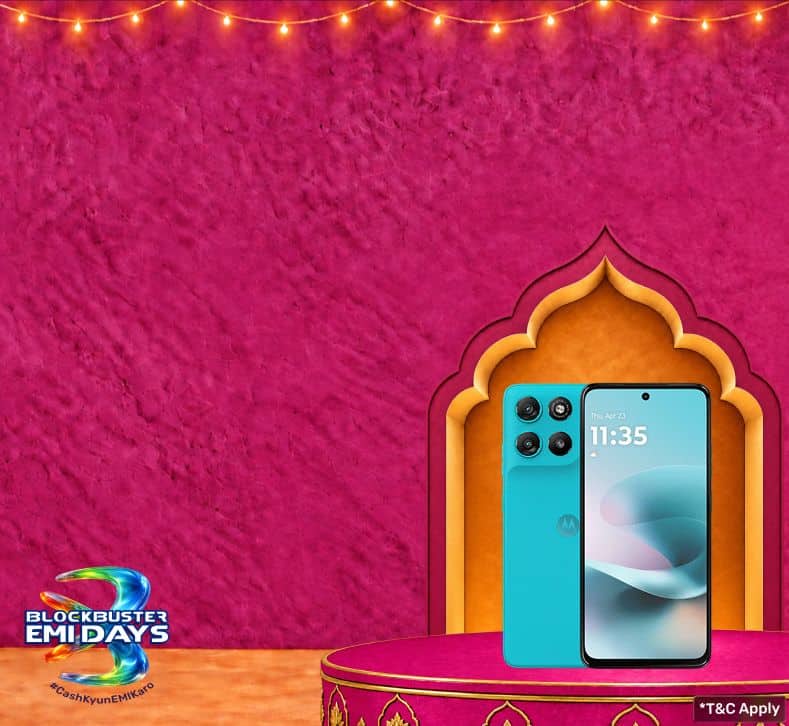
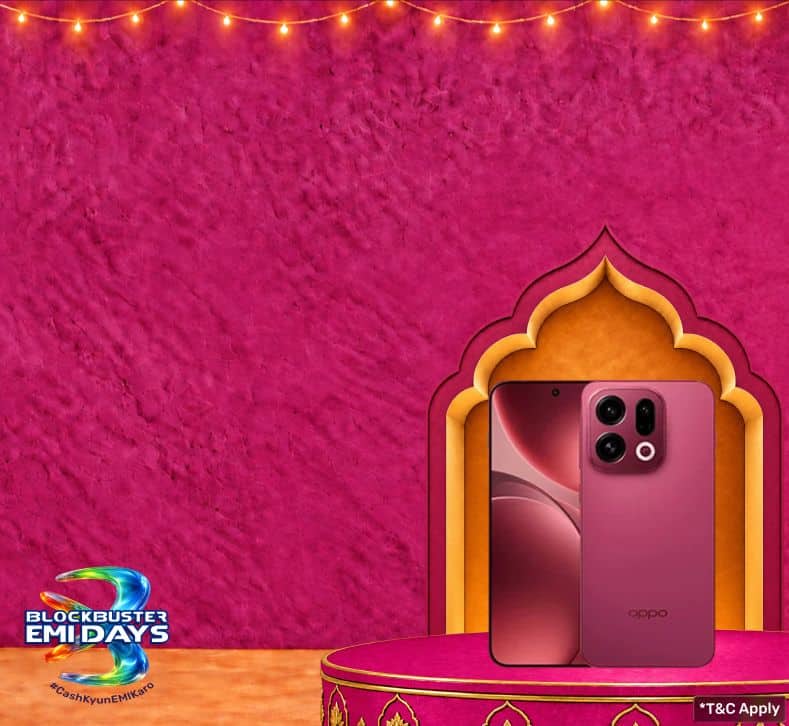
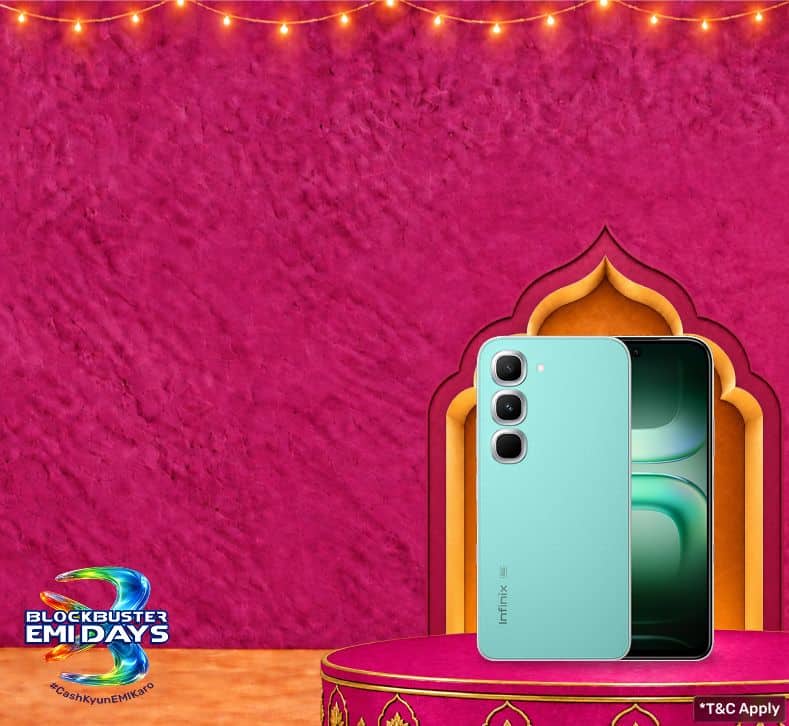
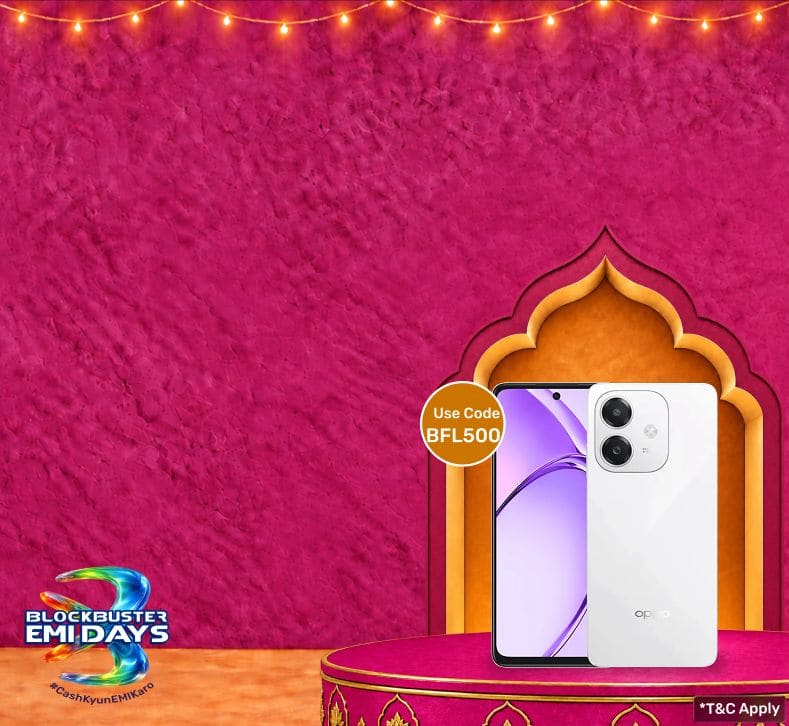
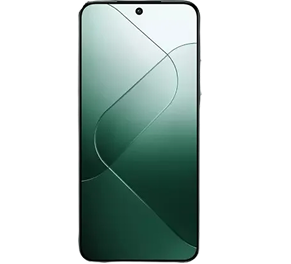
These two phones compete directly in the sub-₹25,000 segment, both offering AMOLED displays, 50 MP OIS cameras, 5G, and expandable storage. The Redmi Note 14 prioritises battery endurance and display brightness; the Nord CE 4 brings a faster chipset, quicker charging, and a cleaner software experience.
How do they compare on design and build?
Both are lightweight dual-SIM 5G phones running Android 14, but they differ on software longevity and storage speed — two factors that affect long-term ownership.
| Component | Redmi Note 14 | OnePlus Nord CE 4 | What it means for you |
|---|
| Model | Redmi Note 14 5G | OnePlus Nord CE 4 5G | — |
| Manufacturer | Xiaomi | OPPO Mobiles India Private Limited | — |
| SIM | Dual SIM, Hybrid slot | Dual Nano-SIM, Hybrid slot | Both support two SIMs; the hybrid slot doubles as a microSD tray — you give up one SIM slot if you add storage |
| Network support | 5G, 4G, 3G, 2G | 5G, 4G, 3G, 2G | Full network compatibility on both, including India's expanding 5G rollout |
| Dimensions | 162.4 × 75.7 × 7.99 mm | 162.5 × 75.3 × 8.4 mm | Near-identical footprints; Redmi Note 14 is marginally slimmer |
| Weight | 190 g | 186 g | Nord CE 4 is slightly lighter — negligible in everyday use |
| OS | Android 14 | Android 14 | Same base OS at launch |
| Custom UI | Xiaomi HyperOS | OxygenOS 14 | OxygenOS is closer to stock Android and widely preferred for its clean feel; HyperOS offers more customisation options |
| OS updates | 2 years | 2 major Android versions | Effectively similar support windows — both receive two major Android upgrades |
| Security updates | 4 years | 3 years | Redmi Note 14 gets one extra year of security patches — an advantage for buyers keeping the phone beyond two years |
| Warranty | 1 year | 1 year | Standard brand warranty on both |
How do the displays compare?
Both panels are 6.7-inch FHD+ AMOLED displays with 120 Hz refresh rates — near-identical on paper. The Redmi Note 14's key advantage is peak brightness: at 2,100 nits versus the Nord CE 4's 1,100 nits, it is substantially easier to read under direct sunlight.
| Component | Redmi Note 14 | OnePlus Nord CE 4 | What it means for you |
|---|
| Screen size | 6.67-inch | 6.7-inch | Effectively the same size; both are comfortable for media and reading |
| Display type | AMOLED | AMOLED | Deep blacks, vivid colours, and efficient battery use on both |
| Resolution | 2400 × 1080 px | 2412 × 1080 px | Identical sharpness in everyday use |
| Aspect ratio | 20:9 | 20.1:9 | No practical difference; both suit vertical scrolling and widescreen video |
| Pixel density | 395 ppi | 394 ppi | Effectively identical — text and images look equally sharp on both |
| Refresh rate | Up to 120 Hz | Up to 120 Hz | Smooth scrolling and animations on both; good for casual gaming and browsing |
| Peak brightness | 2100 nits | 1100 nits | Redmi Note 14 is nearly twice as bright at peak — significantly more readable outdoors in Indian summer conditions |
| Screen protection | Corning Gorilla Glass 5 | Panda Glass | Gorilla Glass 5 has a stronger track record for drop resistance; Panda Glass offers comparable scratch resistance |
| HDR support | HDR10 | HDR10+ | Nord CE 4's HDR10+ delivers slightly better contrast and colour accuracy on compatible streaming content |
How do they compare on performance and software?
The Snapdragon 7 Gen 3 in the Nord CE 4 is a newer, more powerful 4 nm chip compared to the Dimensity 7025-Ultra's 6 nm process — a meaningful gap for gaming and demanding apps. The Redmi Note 14 holds its own for everyday multitasking and benefits from faster UFS 3.1 storage... wait — correction: the brief states the Redmi Note 14 uses UFS 2.2 and the Nord CE 4 uses UFS 3.1, confirmed by sources. The Nord CE 4 is ahead on both chip and storage speed.
| Component | Redmi Note 14 | OnePlus Nord CE 4 | What it means for you |
|---|
| Processor | MediaTek Dimensity 7025-Ultra | Qualcomm Snapdragon 7 Gen 3 | Snapdragon 7 Gen 3 is a newer, more powerful chip — a clear advantage for gaming, video editing, and sustained workloads |
| CPU | 2× Cortex-A78 + 6× Cortex-A55 | 1× Cortex-A715 + 3× Cortex-A715 + 4× Cortex-A510 | Nord CE 4's CPU architecture is more modern; better at handling parallel tasks |
| CPU clock speed | Up to 2.5 GHz | Up to 2.63 GHz | Nord CE 4 runs slightly faster — marginal, but adds up under load |
| Fabrication | 6 nm | 4 nm | 4 nm is more efficient — Nord CE 4 runs cooler and uses less power during intensive tasks |
| Graphics | IMG BXM-8-256 | Adreno 720 | Adreno 720 is significantly stronger for gaming — better frame rates and graphics quality in titles like BGMI and Asphalt |
| RAM | 8 GB | 8 GB | Comfortable for daily multitasking and casual gaming on both |
| RAM type | LPDDR4X | LPDDR4X | Same memory standard; app switching and loading speeds are comparable |
| Storage | 128 GB / 256 GB | 128 GB / 256 GB | Both cover most users; neither requires constant storage management at 128 GB |
| Storage type | UFS 2.2 | UFS 3.1 | UFS 3.1 on the Nord CE 4 means faster file transfers, quicker app installs, and snappier photo saving |
| Expandable storage | Up to 1 TB via microSD | Up to 1 TB via microSD | Both support generous expansion — useful for storing videos, music, and offline content |
| Fingerprint sensor | In-display | In-display optical | Both unlock quickly through the screen; works with most screen protectors |
| Audio | Dual stereo speakers, Dolby Atmos, 3.5 mm jack | Dual stereo speakers, Hi-Res audio | Redmi Note 14's 3.5 mm headphone jack is a practical advantage for users with wired earphones |
*➜ Pro tip: *If you use wired earphones, the Redmi Note 14's 3.5 mm headphone jack saves you from carrying a dongle. The Nord CE 4 uses USB Type-C for audio output only.
How do the cameras compare?
Both phones use the same 50 MP Sony LYT-600 primary sensor with OIS. The Redmi Note 14 shoots at a wider f/1.5 aperture — better light capture in dim conditions — and adds a macro camera. The Nord CE 4 shoots up to 4K rear video versus the Redmi Note 14's 1080p cap, and its front camera records at the same resolution with a wider aperture for selfies.
| Component | Redmi Note 14 | OnePlus Nord CE 4 | What it means for you |
|---|
| Rear camera setup | 50 MP + 8 MP + 2 MP | 50 MP + 8 MP | Redmi Note 14 adds a 2 MP macro lens; Nord CE 4 keeps it to two versatile cameras |
| Primary camera | 50 MP, Sony LYT-600, f/1.5, OIS | 50 MP, Sony LYT-600, f/1.8, OIS | Same sensor, different aperture — Redmi Note 14's f/1.5 lets in more light, giving it an edge in low-light photography |
| Ultra-wide camera | 8 MP, f/2.2 | 8 MP, f/2.2 | Identical ultra-wide specs on both; suitable for group shots and landscapes |
| Macro camera | 2 MP | — | Redmi Note 14 can shoot close-up detail shots; Nord CE 4 does not have a dedicated macro lens |
| OIS | Yes | Yes | Optical stabilisation reduces blur in handheld shots and smooths video on both |
| EIS | Yes | Yes | Electronic stabilisation works alongside OIS for smoother video — both phones offer this |
| Flash | LED | Dual rear LED flash | Nord CE 4's dual LED flash provides more even lighting in dark environments |
| Front camera | 20 MP, f/2.2 | 16 MP, f/2.0 | Redmi Note 14 has higher resolution; Nord CE 4's wider f/2.0 aperture captures more light for better low-light selfies |
| Rear video | 1080p at 30 fps | 4K at 30 fps, 1080p at 60/30 fps | Nord CE 4 shoots 4K rear video and 1080p at 60 fps — a substantial lead for video creators |
| Front video | 1080p at 30 fps | 1080p at 30 fps | Identical front-camera video on both |
*➜ Pro tip: *If video recording matters — reels, vlogs, or family events — the Nord CE 4's 4K rear video capability is a meaningful advantage at this price point. For still photography in low light, the Redmi Note 14's f/1.5 aperture gives it an edge.
How do connectivity specs compare?
The Nord CE 4 supports Wi-Fi 6 and Bluetooth 5.4, offering faster wireless performance on compatible routers and accessories. Both phones support expandable storage, 5G, GPS, and USB Type-C; only the Redmi Note 14 includes a 3.5 mm audio port.
| Component | Redmi Note 14 | OnePlus Nord CE 4 | What it means for you |
|---|
| Internal storage | 128 GB / 256 GB | 128 GB / 256 GB | Adequate for most users; choose 256 GB if you store a lot of video or offline content |
| Expandable storage | Up to 1 TB | Up to 1 TB | Both support generous microSD expansion using the shared hybrid SIM slot |
| SIM | Dual SIM | Dual Nano-SIM | Two active SIMs on both — useful for separating personal and work numbers |
| Network | 5G, 4G | 5G, 4G | Full 5G support on both; future-ready for India's growing 5G network |
| VoLTE | Yes | Yes | HD voice calls over 4G/5G on both; standard across Indian networks |
| Wi-Fi | Wi-Fi 5 | Wi-Fi 6 | Wi-Fi 6 on the Nord CE 4 delivers faster, more stable connections on compatible routers — useful in crowded networks |
| Bluetooth | 5.3 | 5.4 | Bluetooth 5.4 offers marginally improved range and efficiency — relevant for wireless earphones and smartwatches |
| GPS | GPS, GLONASS, BeiDou, Galileo | GPS, GLONASS, BDS, Galileo, QZSS | Nord CE 4 supports QZSS in addition — slightly more precise location tracking, particularly in urban areas |
| USB port | USB Type-C | USB Type-C | Standard charging and data transfer on both |
| Audio port | 3.5 mm headphone jack | USB Type-C only | Redmi Note 14's headphone jack is a practical convenience; Nord CE 4 requires a USB-C adapter for wired audio |
How do battery and charging compare?
The Redmi Note 14 has the larger battery life in real-world tests despite the smaller cell — its Dimensity 7025-Ultra's 6 nm process is efficient under light loads. The Nord CE 4's 100 W charging fully tops up in around 29 minutes, roughly half the time of the Redmi Note 14's 45 W charging.
| Component | Redmi Note 14 | OnePlus Nord CE 4 | What it means for you |
|---|
| Battery capacity | 5110 mAh | 5500 mAh | Nord CE 4 has a larger cell — more reserve for heavy users; both last a full day under normal use |
| Quick charging | 45 W | 100 W SUPERVOOC | Nord CE 4 charges more than twice as fast — from flat to full in ~29 min vs ~57 min for the Redmi Note 14 |
| Wireless charging | Not supported | Not supported | Neither phone supports wireless charging at this price point |
| Reverse charging | Supported via USB | Supported via USB | Both can top up accessories like earbuds via the USB port |
| Battery life | 19 h 21 min (PCMark) | 16 h 2 min (PCMark) | Redmi Note 14 lasts significantly longer in standardised tests — a better fit for heavy-use days without access to a charger |
| Charging time | ~57 min to 100% | ~29 min to 100% | Nord CE 4 charges roughly twice as fast — the clear choice if you frequently need a quick top-up |
*➜ Pro tip: *If you tend to charge overnight and need the phone to last all day without topping up, the Redmi Note 14's battery endurance is the better fit. If you charge in short windows during the day, the Nord CE 4's 100 W speed is far more convenient.