LG's picture quality lead comes from its panel technology and AI-driven processing. Each tier above the base LED adds a meaningful, measurable improvement.
LED (UA series) — value 4K
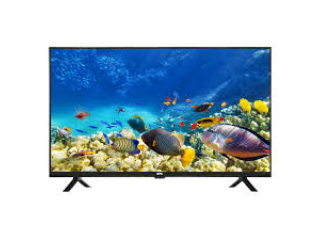
The LG UA8200 uses an LED panel with the Alpha7 Gen8 AI Processor 4K. This processor handles 4K Super Upscaling — it improves the clarity of HD and Full HD content on the 4K panel — and runs AI Picture Pro, which adjusts contrast, brightness, and colour in real time based on the scene. Sound output on the UA8200 is 20 W with AI Sound Pro (9.1.2-channel up-mix simulation) and Dolby Atmos, which is strong for its price tier.
NanoCell (NU series) — wider colour
The LG NanoCell range (NU87) adds a Nano Detail Enhancer layer to the LED panel. This absorbs surplus light wavelengths and produces more accurate colour at wider viewing angles — useful in living rooms where people sit off to the side of the screen. The 2026 NU87 models run the Alpha7 Gen9 processor and support HDR10 Pro with Dolby Atmos.
QNED (mini-LED) — local dimming
The LG QNED evo 82 range uses mini-LED backlighting combined with a Quantum Dot layer. More local dimming zones mean brighter highlights and deeper blacks than standard LED. The 2026 QNED82 models run a 144 Hz VRR panel (144Hz Variable Refresh Rate) and the Alpha8 Gen3 processor — the strongest non-OLED option LG makes.
OLED (C5) — perfect blacks
The LG evo AI C5 OLED uses self-lit pixels — each pixel produces its own light and can turn completely off for true black. There is no backlight to bleed, no halo around bright objects on dark backgrounds. The 2025 OLED C5 runs the Alpha9 Gen8 AI Processor 4K, supports Dolby Vision, Dolby Atmos, 144Hz VRR, Nvidia G-Sync, and AMD FreeSync Premium. It is the best LG TV for movies and gaming at its price.
Point to note: OLED's self-lit pixels can suffer from image retention (temporary image "sticking") if static images are displayed for very long periods — for example, during a 6-hour gaming session with a fixed HUD. For most TV watching this is not a concern. If you are a heavy gamer using a static overlay constantly, QNED with local dimming is a safer choice.