






























































































































































































































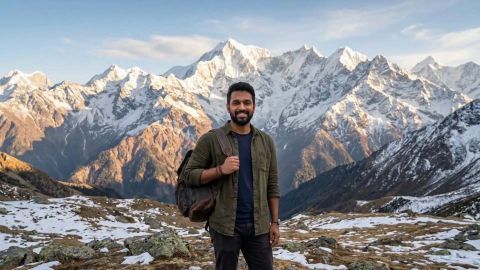
Spiti Valley Trip Cost

Spiti Valley Trip Cost

A Spiti Valley trip costs about Rs. 20,000 to Rs. 50,000 per person for a 7 to 10 day trip, covering stay, travel, food and activities in this remote Himalayan valley. Use this rupee cost breakdown to plan your Spiti Valley trip.

Rs. 40,000 - Rs. 15,50,000

You may be eligible for a pre-approved offer

Enter mobile and OTP | Check offer | No branch visit needed


Last updated: September 2026


In Summary

You can plan the Spiti Valley trip cost around a week-plus Himalayan route, with rupee figures for each expense.


  • A Spiti Valley trip costs about Rs. 20,000 to Rs. 50,000 per person for a 7 to 10 day trip.
  • Budget guesthouses cost Rs. 500 to Rs. 1,500 a night; mid-range Rs. 1,500 to Rs. 3,000.
  • A taxi from Manali to Spiti costs about Rs. 5,000 to Rs. 8,000; a bus Rs. 1,000 to Rs. 1,500.
  • Food costs about Rs. 500 to Rs. 1,000 per day.
  • Trekking and camping cost about Rs. 2,000 to Rs. 5,000; monastery tours Rs. 500 to Rs. 1,000.
  • Spiti Valley sits high in the Himalayas of Himachal Pradesh, reached by road.

Add your stay, travel, food and activities for the route, then estimate your total. You can check your eligibility for an Insta Personal Loan before setting the budget.

How much does a Spiti Valley trip cost?

A Spiti Valley trip costs about Rs. 20,000 to Rs. 50,000 per person for a 7 to 10 day trip, from a budget to a mid-range plan, covering accommodation, travel, food and activities. Because the valley is remote and reached by long mountain roads, your route and whether you hire a taxi or take a bus shape the cost more than any single item, and a self-contained taxi tour costs more than a bus-and-shared route.


The table below breaks the trip down by expense, with each cost in rupees so you can size your own budget against your route and travel style.


ExpenseApproximate cost (INR)What it covers and what drives it
Accommodation, per nightRs. 500 to Rs. 3,000 or moreBudget guesthouses Rs. 500 to Rs. 1,500; mid-range Rs. 1,500 to Rs. 3,000; luxury Rs. 3,000+
Transport (to and around Spiti)Rs. 1,000 to Rs. 8,000A bus from Manali Rs. 1,000 to Rs. 1,500; a taxi Rs. 5,000 to Rs. 8,000; self-drive fuel varies
Food, per dayRs. 500 to Rs. 1,000 per personLocal Tibetan, Indian and continental; local eateries cost less
ActivitiesRs. 500 to Rs. 5,000 per personMonastery tours Rs. 500 to Rs. 1,000; trekking and camping Rs. 2,000 to Rs. 5,000
Indicative trip total (7 to 10 days)Rs. 20,000 to Rs. 50,000 per personBudget to mid-range; varies with the route, transport and activities; excluding long-distance travel to Himachal

Planning note: These are indicative rupee figures that move with the season, the route and how early you book. Hired transport and the activities you choose are the main variables, so a shared or bus route and a budget stay keep the total near the lower end; the short summer season is the peak, so check current rates before booking.

Show More Show Less

What drives the cost of a Spiti Valley trip?

The main factors affecting a Spiti Valley trip budget are the route and transport, activities, accommodation and food. The total cost also changes with the travel season, trip duration and travel style.


  • Route and transport: The valley is remote, so how you travel is the biggest lever; a private taxi from Manali costs several times more than a bus or a shared vehicle, and a longer circuit adds to it.
  • Activities: Trekking, camping and guided tours are paid experiences, so the number and type of activities move the total.
  • Accommodation: Room rates depend on the category and village. Budget guesthouses cost far less than mid-range and luxury stays, and the number of nights adds to the total.
  • Food: Daily food spending depends on where you eat. Local eateries cost less than tourist-facing restaurants.
  • Travel season: The short summer season, when the Manali road is open, is the peak and the priciest. Comparing travel dates can identify lower-cost options.
  • Trip duration: A longer stay increases spending on accommodation, food, transport and activities.

Therefore, travellers can control their Spiti Valley trip cost mainly by comparing the route, the transport, the activities and travel dates rather than focusing on a single expense.

Show More Show Less

What are the top things to do in Spiti Valley?

Spiti Valley offers a mix of mountain landscapes, monasteries, villages and adventure activities. You can explore ancient monasteries, visit high-altitude villages, enjoy scenic drives and experience the region's unique culture.


PlaceThings to do
Key MonasteryVisit one of Spiti's most prominent Buddhist monasteries and enjoy views of the surrounding valley.
KibberExplore the high-altitude village and its mountain surroundings.
Chicham BridgeVisit one of the region's notable high-altitude bridges and enjoy panoramic Himalayan views.
Dhankar MonasteryExplore the historic monastery and admire views over the Spiti River valley.
LangzaVisit the village known for its Buddha statue, mountain views and fossil-rich surroundings.
HikkimVisit one of the world's highest post offices and explore the surrounding village.
KomicExperience a high-altitude village and enjoy views of the barren Himalayan landscape.
Pin ValleyExplore the national park area, villages and distinctive landscapes of the Pin River valley.
Tabo MonasteryVisit the historic monastery and explore its traditional Buddhist art and architecture.
Chandratal LakeTrek or travel to the high-altitude lake and enjoy its changing shades and surrounding mountains.

If you enjoy culture and history, Key Monastery, Tabo Monastery and Dhankar Monastery are good choices. For scenic experiences, Chandratal Lake, Pin Valley and Chicham Bridge offer notable views.

Show More Show Less

When is the best time to visit?

The best time to visit Spiti Valley is generally May to October, when roads are more accessible and the weather is suitable for sightseeing, sightseeing drives and trekking. The ideal period can vary depending on the route and weather conditions.


SeasonMonthsWhat to expect
SummerMay to JunePleasant daytime temperatures and good conditions for exploring villages, monasteries and scenic routes.
MonsoonJuly to SeptemberSpiti receives less rainfall than many other parts of Himachal Pradesh, but roads can still be affected by landslides, especially on approach routes.
AutumnSeptember to OctoberCooler weather, clearer skies and good visibility make this a suitable period for sightseeing and photography.
WinterNovember to AprilHeavy snowfall, freezing temperatures and road closures can make travel difficult.

For a first trip, June to September can be a practical choice. You should check road conditions, weather forecasts and local travel advisories before starting your journey.

Show More Show Less

How can you save money on the trip?

You can reduce your Spiti Valley trip costs by travelling in a group, choosing budget stays and using shared transport. Booking key travel arrangements early and planning your route can also help you manage your overall budget.


ExpenseWays to save
TransportChoose shared taxis or buses where available instead of hiring a private vehicle for the entire trip.
AccommodationStay in homestays, guesthouses or budget hotels in villages along your route.
FoodEat at local eateries and homestays instead of choosing restaurants aimed at tourists.
SightseeingGroup nearby attractions into the same day's itinerary to reduce additional transport costs.
Travel bookingsCompare transport and accommodation prices and book early during the peak travel season.
EssentialsCarry suitable clothing, medicines, snacks and other basic supplies to avoid buying them at higher prices during the journey.

Keep some extra money aside for weather-related delays, route changes and unexpected transport or accommodation costs. This is particularly useful when travelling through high-altitude areas such as Spiti Valley.

Show More Show Less

Can an Insta Personal Loan help fund your Spiti Valley trip?

An Insta Personal Loan is an unsecured loan you can use for eligible travel expenses and repay in monthly instalments. You can consider a Bajaj Finance Insta Personal Loan if you meet the eligibility criteria and accept the applicable terms.


Before borrowing, you can consider:

  • Loan amount: Rs. 40,000 to Rs. 15,50,000, subject to eligibility and applicable terms.
  • Tenure: 12 months to 96 months.
  • Interest rate: 16% to 30.5% per annum, with your applicable rate confirmed in your loan offer.
  • Security: An Insta Personal Loan does not require collateral.
  • Documentation: Select customers may receive an offer with minimal documentation, depending on profile and applicable requirements.
  • Disbursal: Eligible customers may receive funds within 30 minutes* after approval, subject to verification.*

Once you have an estimate, you can decide how to fund the gap. An Insta Personal Loan for travel can cover eligible expenses such as travel, stay and activities for eligible borrowers, subject to applicable terms. Check your pre-approved loan offer with phone number and OTP → Apply online in 5 minutes → Get funds in 30 minutes*.

Show More Show Less

How does a travel loan affect your monthly budget?

An Insta Personal Loan adds an equated monthly instalment (EMI) to your existing commitments, so you should calculate the EMI and total repayment before choosing an amount and tenure. Suppose you are 28, based in Chandigarh, with a net monthly income of Rs. 55,000 and a Credit Information Bureau (India) Limited (CIBIL) score of 758, and you borrow Rs. 70,000 at 16% per annum for 30 months.


You can calculate the EMI using:

EMI = P × r × (1 + r)^n ÷ [(1 + r)^n − 1]

Where:

  • P: Rs. 70,000
  • r: monthly interest rate (16% per annum divided by 12)
  • n: 30 months

The estimated EMI is about Rs. 2,846 per month. The estimated total repayment is about Rs. 85,390, of which about Rs. 15,390 is interest, excluding applicable fees.


A longer tenure lowers your monthly EMI but raises the total interest you pay. Compare both figures before selecting the tenure.

Show More Show Less

What should you check before borrowing?

Before using an Insta Personal Loan to fund your trip, you should check:


  1. Total trip cost: Estimate transport, accommodation, food and activity costs.
  2. Amount to borrow: Borrow only the amount you need after using your available savings.
  3. Interest rate: Confirm the applicable rate before accepting the loan.
  4. Processing fee: Review applicable processing charges and taxes.
  5. EMI: Check that the monthly repayment fits your budget.
  6. Total repayment: Compare the total amount payable with the amount borrowed.
  7. Existing EMIs: Include your current loan commitments in your monthly budget.
  8. Tenure: Compare tenures on both EMI and total interest.
  9. Eligibility: Check whether you meet the applicable eligibility criteria.
  10. Alternative funding: Compare borrowing with savings or other funding options.

Do not base non-refundable bookings on an assumed loan approval. Confirm the applicable loan terms before committing to major expenses. Terms and conditions apply.

Show More Show Less

Frequently asked questions

Overview

Can you do a Spiti Valley trip in 5 days?

You can do a short Spiti Valley trip in 5 days, usually a one-way Manali to Shimla or Shimla to Manali route covering Kaza, Key Monastery and a few villages. It is a rushed pace with long daily drives, so 7 to 10 days are more comfortable and allow acclimatisation. Choose a shorter loop if you have only five days. Planning a family holiday often involves expenses such as travel, accommodation, food, and sightseeing. If you need extra financial flexibility, an Insta Personal Loan can help cover these costs. With a Bajaj Finance Insta Personal Loan, you can get funds from Rs. 40,000-Rs. 15,50,000. Check your pre-approved loan offer with phone number and OTP → Apply online in 5 minutes → Get funds in 30 minutes*.

Spiti Valley is a demanding trip, with long drives on rough, high-altitude mountain roads and basic facilities in remote villages. The altitude can cause sickness, so acclimatise and travel slowly. The roads are weather-dependent and the Manali route is open only in summer. It suits travellers ready for a rugged, remote journey.

You reach Spiti Valley by road, either from Manali over the high passes in summer, or year-round on the longer Shimla and Kinnaur route. Buses and shared and private taxis run from Manali and Shimla to Kaza, the main town. The nearest airports and railheads are at Shimla, Bhuntar and Chandigarh. Travel times are long on mountain roads.

Indian travellers do not generally need a permit for the main Spiti circuit, though some border areas have restrictions, so check the current rules for your route. As the villages sit at high altitude, build in a day or two to acclimatise, drink plenty of water and avoid over-exertion on arrival. Carry warm clothing and basic medicines.

Show More Show Less

Disclaimer

Bajaj Finance Limited has the sole and absolute discretion, without assigning any reason to accept or reject any application. Terms and conditions apply*.
For customer support, call Personal Loan IVR: 7757 000 000