







Health insurance goes beyond hospitalization—it covers OPD visits, medicines, ambulance charges, preventive checkups, and even alternative treatments, giving you all-around financial security.

Check health insurance plans with comprehensive coverage
Get Quote
Health plans from leading insurers | Comprehensive coverage | Offers multiple optional add-ons to enhance coverage
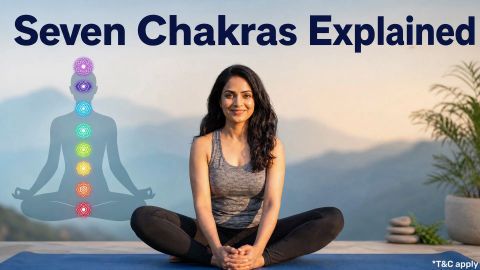
Seven Chakras Explained
In summary
Understanding the seven chakras involves exploring the seven energy centres described in traditional yoga and spiritual practices. Each chakra is associated with a specific area of the body and aspects of physical, emotional, and spiritual well-being. Practices such as meditation, breathing exercises, yoga, and focused awareness are traditionally used to support chakra awareness and balance.
Key takeaways
- The seven chakras are traditionally described as energy centres within the body.
- They are known as the root, sacral, solar plexus, heart, throat, third eye, and crown chakras.
- Each chakra is traditionally associated with a specific location and symbolic qualities.
- Meditation, yoga, and breathing exercises are commonly used in chakra-based practices.
- Chakra practices are rooted in traditional wellness systems and should not replace medical treatment.
Maintaining overall wellbeing also involves being prepared for unexpected healthcare expenses. Check now to explore health insurance options that suit your healthcare needs.
What are the seven chakras?
The seven chakras are traditionally described as energy centres in yoga and related spiritual practices. They are associated with different areas of the body and symbolic aspects of physical, emotional, and spiritual wellbeing. Understanding what are the seven chakras can help you learn about traditional chakra practices, which may include meditation, yoga, breathing exercises, and focused awareness. These practices are commonly used as part of holistic and spiritual wellness routines.
Pro tip

What is the root chakra (Muladhara)?
The root chakra, or Muladhara, is traditionally regarded as the first chakra and is associated with the base of the spine. In traditional chakra practices, it represents grounding, stability, security, and a sense of connection. It is often linked with feelings of safety and belonging. Yoga, meditation, breathing exercises, and grounding practices such as spending time in nature are commonly incorporated into routines focused on the root chakra.
What is the sacral chakra (Svadhishthana)?
The sacral chakra, or Svadhishthana, is traditionally described as the second chakra, located in the lower abdomen near the pelvis. In yogic traditions, it is represented by the colour orange and associated with the water element, emotions, creativity, pleasure, and relationships. A balanced chakra is traditionally linked with emotional expression and adaptability, while an imbalance may be associated with emotional instability or reduced creativity. Yoga poses such as Trikonasana and Uttanasana are commonly practised in chakra-focused routines.
Popular plans for you



What is the solar plexus chakra (Manipura)?
The solar plexus chakra, or Manipura, is traditionally described as the third chakra, located around the navel and upper abdomen. It is represented by the colour yellow and associated with the fire element. In yogic traditions, it relates to confidence, personal power, motivation, and emotional strength. Balance is traditionally associated with confidence and purpose, while imbalance may be linked with insecurity or low motivation. Yoga poses such as Dhanurasana and Navasana are commonly practised in chakra-focused routines.
What is the heart chakra (Anahata)?
The heart chakra, or Anahata, is traditionally described as the fourth chakra, located in the centre of the chest. It is associated with the colour green and the air element, and is symbolically connected with the heart and chest area. Its affirmation is “I love”. A balanced chakra is traditionally linked with compassion and emotional openness, while an imbalance may be associated with loneliness or emotional withdrawal. Yoga poses such as Bhujangasana and Ustrasana are commonly practised in chakra-focused routines.
What is the throat chakra (Vishuddha)?
The throat chakra, or Vishuddha, is traditionally described as the fifth chakra, located around the throat area. It is associated with the colour blue and the element of space. In yogic traditions, it relates to communication, self-expression, and emotional honesty. A balanced chakra is traditionally linked with clear communication and confidence in expressing yourself, while an imbalance may be associated with difficulty expressing emotions. Yoga poses such as Halasana and Matsyasana are commonly practised in chakra-focused routines.
What is the third eye chakra (Ajna)?
The third eye chakra, or Ajna, is traditionally described as the sixth chakra, located between the eyebrows. It is associated with the colour indigo and the element of light. In yogic traditions, it relates to intuition, awareness, perception, and inner clarity. A balanced chakra is traditionally linked with focus and self-awareness, while an imbalance may be associated with confusion or difficulty concentrating. Yoga poses such as Balasana and Padmasana are commonly practised in chakra-focused routines.
What is the crown chakra (Sahasrara)?
The crown chakra, or Sahasrara, is traditionally described as the seventh and final chakra, located at the top of the head. In yogic traditions, it is associated with spiritual awareness, consciousness, enlightenment, and a sense of connection. A balanced crown chakra is traditionally linked with inner peace, clarity, and purpose, while an imbalance may be associated with feelings of disconnection or confusion. Meditation, mindfulness, and spiritual practices are commonly used in chakra-focused routines.
Health Insurance in different cities

Health Insurance in Bangalore

Health Insurance in Jaipur

Health Insurance in Pune

Health Insurance in Mumbai

Health Insurance in Kerala
Compare types of Health Insurance Plans
Tax-savings plans for you
What our customer say about us
+ Customers
Play Store Rating
Reviews
Arjun Mehta
13 Jul 2025
I opted for the Health Infinity plan for my parents. The digital onboarding was incredibly fast with no medical tests required since they are under 50. We had a minor daycare procedure last month, and the cashless approval came through in less than 2 hours. Very impressed with the efficiency.
Priya Sharma
28 Feb 2025
The Bajaj Finance Health app is a lifesaver. I use it for my regular OPD consultations and medicine orders. The 10% discount on pharmacy bills and the easy reimbursement for doctor visits make it much more than just a 'hospitalization' policy. It’s daily health support.
Sneha Kapoor
15 Mar 2025
Switched my family floater to Bajaj General this year. The network of hospitals in my city (Pune) is excellent. The only downside was a slight delay in getting my physical card, but the digital copy on the app works everywhere. The 'Wellness Rewards' for hitting step goals is a cool touch!
Can chakras influence your health?
Chakras are traditionally described as energy centres linked with different areas of the body, organs, and glands. In chakra practices, a hypoactive chakra is understood as having reduced energy, while a hyperactive chakra is associated with excessive energy. These states are traditionally linked with changes in emotional or physical wellbeing. For example, chakra practices may associate balance with a sense of wellbeing and imbalance with discomfort or emotional distress. Yoga, meditation, and breathing exercises are commonly used for wellness.
How can I open or balance my chakras effectively?
Understanding what are the seven chakras can help you explore traditional practices associated with chakra balance. These practices focus on mindfulness, movement, breathing, and self-awareness rather than medically established methods of treating physical or mental health conditions.
- Meditation: Practise focused meditation to develop awareness of different chakras and encourage a sense of inner calm.
- Yoga: Include yoga postures that are traditionally associated with particular chakras as part of a regular wellness routine.
- Breathwork: Practise pranayama and other controlled breathing techniques to support relaxation and mindful awareness.
- Dietary choices: Some chakra traditions associate specific foods and colours with different chakras, such as red foods with the root chakra and green foods with the heart chakra.
- Affirmations and visualisation: Use positive affirmations or visualisation as traditional practices for focusing attention on particular energy centres.
These practices can be incorporated into a personal wellness routine for mindfulness, relaxation, and self-awareness. They should not replace appropriate medical care when you have health concerns.
Conclusion
Understanding what are the seven chakras offers an introduction to a traditional system of energy centres associated with different aspects of physical, emotional, and spiritual wellbeing. Practices such as meditation, yoga, breathwork, and mindfulness are commonly used in chakra-based wellness routines. While these practices may support relaxation and self-awareness, chakra concepts are rooted in traditional spiritual systems and should not replace medical care.
If you are planning for your wider healthcare needs, check premium to compare health insurance options that suit your requirements.
Explore and stay informed
Can you buy health insurance on EMI
Why buy health insurance
Health Insurance for family
Health Insurance Claim settlement ratio
Health Insurance waiting period
Importance of health insurance
Health Insurance for Senior Citizens
Health Insurance tax benefits
Health Insurance for parents
Health Insurance premium calculator
Health Insurance for Other Diseases

Antral Gastritis

Hepatomegaly Symptoms Causes & Treatment

Blood Pressure Range

PCOS Causes and Symptoms

Health insurance for Obesity
Frequently Asked Questions
Seven chakras and their significance
Chakra colours and balance
What is the significance of the root chakra in maintaining balance?
The Root Chakra, or Muladhara, is traditionally associated with grounding, stability, security, and a sense of connection. Chakra practices often use meditation, yoga, and breathing exercises to support a sense of balance and awareness.
What does the heart chakra symbolise, and how can it be balanced?
The Heart Chakra, or Anahata, is traditionally associated with love, compassion, emotional openness, and connection. Practices such as meditation, yoga, breathing exercises, and mindfulness are commonly used in chakra-focused routines.
How does balancing the crown chakra impact mental clarity?
The Crown Chakra, or Sahasrara, is traditionally associated with spiritual awareness, consciousness, and a sense of connection. Meditation and mindfulness practices are commonly used to encourage inner awareness and a sense of clarity.
What are the seven chakras in yoga practice?
The seven chakras traditionally described in yoga are the Root (Muladhara), Sacral (Svadhishthana), Solar Plexus (Manipura), Heart (Anahata), Throat (Vishuddha), Third Eye (Ajna), and Crown (Sahasrara).
What colour is each of the seven chakras?
In traditional chakra systems, the Root is associated with red, Sacral with orange, Solar Plexus with yellow, Heart with green, Throat with blue, Third Eye with indigo, and Crown with violet or white.
What happens when your chakras are out of balance?
In traditional chakra practices, an imbalance is associated with emotional or physical discomfort, such as feelings of insecurity, emotional withdrawal, communication difficulties, or lack of clarity. These associations are part of traditional practices and are not medically established diagnoses.
What is the difference between the third eye chakra and the crown chakra?
The Third Eye Chakra, or Ajna, is traditionally associated with intuition, awareness, perception, and inner clarity. The Crown Chakra, or Sahasrara, is associated with spiritual awareness, consciousness, and connection.
How does chakra awareness support overall physical and mental health?
Chakra awareness can be incorporated into practices such as meditation, yoga, breathing exercises, and mindfulness. These practices may support relaxation and self-awareness, but chakra concepts should not replace appropriate medical care for physical or mental health concerns.








Articles and Insights



Disclaimer
*T&C Apply - Bajaj Finance Limited (‘BFL’) is a registered corporate agent of third party insurance products of Bajaj Allianz Life Insurance Company Limited, HDFC Life Insurance Company Limited, Life Insurance Corporation of India (LIC), Bajaj Allianz General Insurance Company Limited, SBI General Insurance Company Limited, ACKO General Insurance Company Limited, HDFC ERGO General Insurance Company, TATA AIG General Insurance Company Limited, ICICI Lombard General Insurance Company Limited, New India Assurance Limited, Chola MS General Insurance Company Limited, Zurich Kotak General Insurance Co. Limited , Star Health & Allied Insurance Co. Limited, Care Health Insurance Company Limited, Niva Bupa Health Insurance Company Limited , Aditya Birla Health Insurance Company Limited and Manipal Cigna Health Insurance Company Limited under the IRDAI composite CA registration number CA0101. Please note that, BFL does not underwrite the risk or act as an insurer. Your purchase of an insurance product is purely on a voluntary basis after your exercise of an independent due diligence on the suitability, viability of any insurance product. Any decision to purchase insurance product is solely at your own risk and responsibility and BFL shall not be liable for any loss or damage that any person may suffer, whether directly or indirectly. Please refer insurer's website for Policy Wordings. For more details on risk factors, terms and conditions and exclusions please read the product sales brochure carefully before concluding a sale. Tax benefits applicable if any, will be as per the prevailing tax laws. Tax laws are subject to change. Tax laws are subject to change. BFL does NOT provide Tax/Investment advisory services. Please consult your advisors before proceeding to purchase an insurance product. Visitors are hereby informed that their information submitted on the website may also be shared with insurers. BFL is also a distributor of other third-party products from Assistance Services providers such as CPP Assistance Services Pvt. Ltd., Bajaj Finance Health Ltd. etc. All product information such as premium, benefits, exclusions, sum insured, value added services, etc. are authentic and solely based on the information received from the respective insurance company or the respective Assistance service provider company.
Note – While we have made all efforts and taken utmost care in gathering precise information about the products, features, benefits, etc. However, BFL cannot be held liable for any direct or indirect damage/loss. We request our customers to conduct their research about these products and refer to the respective product’s sales brochures before concluding their sale.