







Health insurance goes beyond hospitalization—it covers OPD visits, medicines, ambulance charges, preventive checkups, and even alternative treatments, giving you all-around financial security.

Check health insurance plans with comprehensive coverage
Get Quote
Health plans from leading insurers | Comprehensive coverage | Offers multiple optional add-ons to enhance coverage
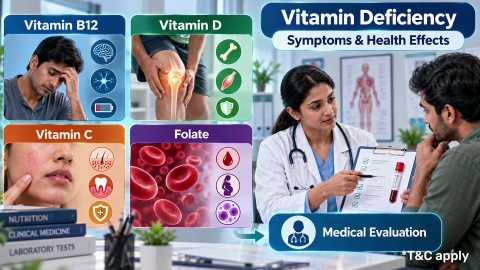
Vitamin Deficiency
In summary
Vitamin K is a fat-soluble vitamin that supports normal blood clotting and contributes to bone health. The main forms include vitamin K1 (phylloquinone) and vitamin K2 (menaquinones), which are obtained from different dietary sources.
Key takeaways
- Vitamin K supports normal blood clotting.
- It contributes to maintaining healthy bones.
- Vitamin K1 is found mainly in green leafy vegetables.
- Vitamin K2 includes several menaquinone forms found in certain animal and fermented foods.
- A balanced diet can provide vitamin K as part of daily nutritional intake.
Maintaining adequate vitamin K intake supports essential body functions, while health insurance can help with unexpected healthcare expenses. Check premium to explore plans and coverage that align with your needs.
Pro tip

What is vitamin K?
Vitamin K is a fat-soluble vitamin belonging to the naphthoquinone compound class. It is essential for normal blood clotting and also contributes to bone metabolism. The name “vitamin K” comes from the Danish word “koagulation”, meaning coagulation or blood clotting. Vitamin K occurs mainly as vitamin K1 (phylloquinone), found predominantly in green leafy vegetables, and vitamin K2 (menaquinones), which includes several forms. Adequate vitamin K is required for the activation of specific proteins involved in blood coagulation and other physiological processes.
Popular plans for you


What is the scientific name of vitamin K?
Vitamin K refers to a family of fat-soluble compounds with a common 2-methyl-1,4-naphthoquinone structure. The two naturally occurring forms are phylloquinone (vitamin K1) and menaquinones (vitamin K2). K1 is found mainly in green leafy vegetables, while K2 includes several menaquinones, such as MK-4 and MK-7. These forms share vitamin K activity and support the activation of proteins involved in blood clotting and other physiological processes.
| Form | Scientific name | Common sources |
|---|---|---|
| Vitamin K1 | Phylloquinone | Green leafy vegetables and plant foods |
| Vitamin K2 | Menaquinones | Fermented foods and some animal-based foods |
| Vitamin K3 | Menadione | Synthetic form; not used in human dietary supplements |
What is phylloquinone (vitamin K1)?
Phylloquinone, or vitamin K1, is the primary dietary form of vitamin K. It is synthesised by plants and is found predominantly in green leafy vegetables such as spinach and kale. Phylloquinone is also involved in photosynthesis, where it functions within plant photosynthetic systems. In humans, it contributes to the activation of vitamin K-dependent proteins involved in blood clotting and other physiological processes.
What is menaquinone (vitamin K2)?
Menaquinones are a group of vitamin K compounds collectively known as vitamin K2. They include several forms, designated MK-4 through MK-13 according to their side-chain structure. MK-4 and MK-7 are among the most studied forms. Several menaquinones are produced by bacteria, including bacteria involved in food fermentation and those in the intestinal tract, while MK-4 can be formed in animal and human tissues.
What is menadione (vitamin K3)?
Menadione, sometimes called vitamin K3, is a synthetic vitamin K analogue rather than a naturally occurring dietary form. It is no longer used in human dietary supplements or fortified foods because of safety concerns. Menadione-related compounds are used in animal nutrition, including as regulated sources of vitamin K activity in poultry and swine feed.
What are the essential roles of vitamin K in the body?
Vitamin K is required for the activation of several proteins involved in blood clotting, bone metabolism, and vascular biology.
| Role | How it works |
|---|---|
| Blood clotting | Activates vitamin K-dependent clotting proteins, including factors II, VII, IX, and X, which are needed for normal coagulation. |
| Bone metabolism | Helps activate osteocalcin, a protein involved in binding calcium in bone tissue. |
| Vascular health | Activates matrix Gla protein (MGP), which is involved in regulating calcium deposition in blood vessels. |
| Protein activation | Supports the gamma-carboxylation of specific proteins, enabling them to perform their biological functions. |
Health Insurance in different cities

Health Insurance in Bangalore

Health Insurance in Jaipur

Health Insurance in Pune

Health Insurance in Mumbai

Health Insurance in Kerala
Compare types of Health Insurance Plans
Tax-savings plans for you
What our customer say about us
+ Customers
Play Store Rating
Reviews
Arjun Mehta
13 Jul 2025
I opted for the Health Infinity plan for my parents. The digital onboarding was incredibly fast with no medical tests required since they are under 50. We had a minor daycare procedure last month, and the cashless approval came through in less than 2 hours. Very impressed with the efficiency.
Priya Sharma
28 Feb 2025
The Bajaj Finance Health app is a lifesaver. I use it for my regular OPD consultations and medicine orders. The 10% discount on pharmacy bills and the easy reimbursement for doctor visits make it much more than just a 'hospitalization' policy. It’s daily health support.
Sneha Kapoor
15 Mar 2025
Switched my family floater to Bajaj General this year. The network of hospitals in my city (Pune) is excellent. The only downside was a slight delay in getting my physical card, but the digital copy on the app works everywhere. The 'Wellness Rewards' for hitting step goals is a cool touch!
How much vitamin K do you need daily?
The recommended daily intake of vitamin K varies by age and life stage, with adults requiring 90–120 micrograms per day. Infants and children require lower amounts, while pregnancy and lactation have specific requirements. The table below outlines the recommended vitamin K intake by age group.
| Age group | Recommended daily intake |
|---|---|
| Infants (0–6 months) | 2.0 micrograms |
| Infants (7–12 months) | 2.5 micrograms |
| Children (1–3 years) | 30 micrograms |
| Children (4–8 years) | 55 micrograms |
| Children (9–13 years) | 60 micrograms |
| Adolescents (14–18 years) | 75 micrograms |
| Adults (19+ years) | 90–120 micrograms |
| Pregnancy | 90 micrograms |
| Lactation | 90 micrograms |
How do you get vitamin K through diet?
You can get vitamin K through a varied diet containing green leafy vegetables, fermented foods, and selected animal products. Green vegetables provide vitamin K1 (phylloquinone), while fermented foods and some animal foods provide vitamin K2 (menaquinones).
| Food | Type of vitamin K | Amount per serving |
|---|---|---|
| Kale, raw | Vitamin K1 | 547 micrograms per 1 cup |
| Spinach, raw | Vitamin K1 | 145 micrograms per 1 cup |
| Broccoli, raw | Vitamin K1 | 89 micrograms per 1 cup |
| Natto, fermented soybeans | Vitamin K2 | 850 micrograms per 100 grams |
| Hard cheese | Vitamin K2 | 20–25 micrograms per 100 grams |
| Egg yolk | Vitamin K2 | Small amounts per yolk |
Explore and stay informed
Can you buy health insurance on EMI
Why buy health insurance
Health Insurance for family
Health Insurance Claim settlement ratio
Health Insurance waiting period
Importance of health insurance
Health Insurance for Senior Citizens
Health Insurance tax benefits
Health Insurance for parents
Health Insurance premium calculator
Health Insurance for Other Diseases

Antral Gastritis

Hepatomegaly Symptoms Causes & Treatment

Blood Pressure Range

PCOS Causes and Symptoms

Health insurance for Obesity
Which foods are rich in vitamin K?
oods rich in vitamin K include green leafy vegetables, cruciferous vegetables, fermented foods, and selected animal products. Green vegetables primarily provide vitamin K1 (phylloquinone), while fermented foods and some animal products provide vitamin K2 (menaquinones). The amount varies by food and serving size.
| Food | Vitamin K type | Amount per serving |
|---|---|---|
| Kale, raw, 1 cup | Vitamin K1 | 547 micrograms |
| Spinach, raw, 1 cup | Vitamin K1 | 145 micrograms |
| Broccoli, raw, 1 cup | Vitamin K1 | 89 micrograms |
| Brussels sprouts, cooked, ½ cup | Vitamin K1 | 109 micrograms |
| Natto, 100 grams | Vitamin K2 | 850 micrograms |
| Hard cheese, 100 grams | Vitamin K2 | Varies by type |
| Egg yolk, 1 large | Vitamin K2 | Small amount |
A varied diet can provide vitamin K through both plant and animal food sources. Supplements should be discussed with a healthcare professional, particularly if you take medicines that affect blood clotting.
What are the risks of taking too much vitamin K?
No formal tolerable upper intake level (UL) has been established for vitamin K because available evidence indicates a low potential for toxicity. This applies to the dietary reference framework used in the United States; European and Japanese authorities also have not established a formal UL. However, vitamin K can interact with anticoagulants such as warfarin. Sudden increases or decreases in vitamin K intake can alter warfarin's effect and affect blood-clotting control. People taking warfarin should maintain a consistent vitamin K intake and discuss supplements with their healthcare professional.
Conclusion
Vitamin K is an essential fat-soluble vitamin that supports normal blood clotting, bone metabolism, and vascular health. A balanced diet containing green leafy vegetables, fermented foods, and other vitamin K sources can help meet daily nutritional needs. Understanding its dietary sources, recommended intake, and potential interactions with anticoagulants can help you make informed choices about vitamin K intake. Alongside a nutritious diet, health insurance can provide financial support for unexpected healthcare expenses. Apply now to explore health insurance coverage.
Frequently Asked Questions
Frequently Asked Questions
What is another name for vitamin K?
Vitamin K is also known as phylloquinone when referring to vitamin K1. Vitamin K2 refers to menaquinones, a group of related compounds. Vitamin K itself describes a family of fat-soluble compounds involved in blood clotting and other physiological processes.
What is the compound name for vitamin K?
Vitamin K is a group of related compounds rather than a single compound. The main natural forms are phylloquinone (vitamin K1) and menaquinones (vitamin K2), which share a 2-methyl-1,4-naphthoquinone structure.
What is Vitamin K’s generic name?
Vitamin K is the generic name for a family of fat-soluble vitamins. Its naturally occurring forms include phylloquinone (K1) and menaquinones (K2). Menadione, sometimes called vitamin K3, is a synthetic vitamin K analogue.
How many days can I take Vitamin K?
There is no fixed number of days for taking vitamin K. The appropriate duration depends on the reason for supplementation, dietary intake, and individual health needs. Consult a healthcare professional before prolonged supplementation or if taking anticoagulants.
How much Vitamin K is too much per day?
No formal tolerable upper intake level has been established for vitamin K because it has a low potential for toxicity. However, vitamin K can interact with warfarin, so maintain consistent intake and consult a healthcare professional before taking supplements.






Articles and Insights



Disclaimer
*T&C Apply - Bajaj Finance Limited (‘BFL’) is a registered corporate agent of third party insurance products of Bajaj Allianz Life Insurance Company Limited, HDFC Life Insurance Company Limited, Life Insurance Corporation of India (LIC), Bajaj Allianz General Insurance Company Limited, SBI General Insurance Company Limited, ACKO General Insurance Company Limited, HDFC ERGO General Insurance Company, TATA AIG General Insurance Company Limited, ICICI Lombard General Insurance Company Limited, New India Assurance Limited, Chola MS General Insurance Company Limited, Zurich Kotak General Insurance Co. Limited , Star Health & Allied Insurance Co. Limited, Care Health Insurance Company Limited, Niva Bupa Health Insurance Company Limited , Aditya Birla Health Insurance Company Limited and Manipal Cigna Health Insurance Company Limited under the IRDAI composite CA registration number CA0101. Please note that, BFL does not underwrite the risk or act as an insurer. Your purchase of an insurance product is purely on a voluntary basis after your exercise of an independent due diligence on the suitability, viability of any insurance product. Any decision to purchase insurance product is solely at your own risk and responsibility and BFL shall not be liable for any loss or damage that any person may suffer, whether directly or indirectly. Please refer insurer's website for Policy Wordings. For more details on risk factors, terms and conditions and exclusions please read the product sales brochure carefully before concluding a sale. Tax benefits applicable if any, will be as per the prevailing tax laws. Tax laws are subject to change. Tax laws are subject to change. BFL does NOT provide Tax/Investment advisory services. Please consult your advisors before proceeding to purchase an insurance product. Visitors are hereby informed that their information submitted on the website may also be shared with insurers. BFL is also a distributor of other third-party products from Assistance Services providers such as CPP Assistance Services Pvt. Ltd., Bajaj Finance Health Ltd. etc. All product information such as premium, benefits, exclusions, sum insured, value added services, etc. are authentic and solely based on the information received from the respective insurance company or the respective Assistance service provider company.
Note – While we have made all efforts and taken utmost care in gathering precise information about the products, features, benefits, etc. However, BFL cannot be held liable for any direct or indirect damage/loss. We request our customers to conduct their research about these products and refer to the respective product’s sales brochures before concluding their sale.