







Health insurance goes beyond hospitalization—it covers OPD visits, medicines, ambulance charges, preventive checkups, and even alternative treatments, giving you all-around financial security.

Check health insurance plans with comprehensive coverage
Get Quote
Health plans from leading insurers | Comprehensive coverage | Offers multiple optional add-ons to enhance coverage
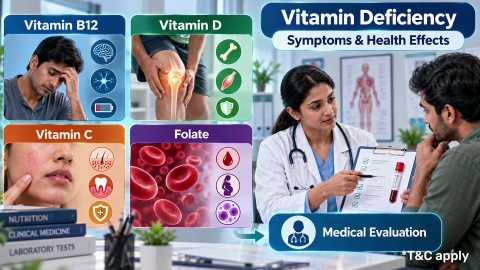
Vitamin Deficiency
In summary
Vitamin and mineral deficiencies occur when the body does not get or absorb enough essential nutrients needed for normal functioning. They can develop due to inadequate dietary intake, certain health conditions, increased nutritional needs, or problems with nutrient absorption. Recognising symptoms and identifying the underlying cause can help guide appropriate dietary changes or treatment.
Key takeaways
- Vitamin and mineral deficiencies can affect energy, immunity, blood formation, and other body functions.
- A varied diet containing nutrient-rich foods can help meet nutritional requirements.
- Symptoms depend on the specific nutrient involved and the severity of the deficiency.
- Blood tests and clinical evaluation may be used to identify certain deficiencies.
- Treatment depends on the deficient nutrient and its underlying cause.
If you are planning for eligible healthcare expenses related to diagnosis or treatment, check now to explore available plans and understand their coverage, exclusions, and applicable policy terms. You can also learn more about health insurance.
Pro tip

What are vitamin and mineral deficiencies?
The human body requires 13 essential vitamins and several essential minerals to support normal growth, metabolism, immunity, blood formation, and bone health. Vitamin and mineral deficiencies occur when the body does not receive enough of a nutrient or cannot absorb or use it properly. The effects depend on the nutrient and severity of deficiency.
| Nutrient type | Role in body | Deficiency disease |
|---|---|---|
| Vitamin A | Vision and immune function | Night blindness |
| Vitamin C | Collagen formation and antioxidant function | Scurvy |
| Vitamin D | Calcium absorption and bone health | Rickets or osteomalacia |
| Iron | Haemoglobin formation and oxygen transport | Iron-deficiency anaemia |
| Iodine | Thyroid hormone production | Goitre |
A balanced diet can help provide essential nutrients and reduce deficiency risk.
Popular plans for you


What causes vitamin and mineral deficiencies?
Vitamin and mineral deficiencies can result from inadequate intake, poor absorption, increased nutritional requirements, or certain health conditions. Common causes include:
- Poor diet: Limited dietary variety or insufficient nutrient intake can increase deficiency risk.
- Digestive disorders: Conditions such as coeliac disease and Crohn’s disease can interfere with nutrient absorption.
- Malabsorption: Some medical conditions, medicines, or gastrointestinal procedures can reduce nutrient absorption or utilisation.
- Age-related changes: Changes in appetite, digestion, or nutrient absorption with age can contribute to deficiencies.
- Pregnancy and lactation: Increased nutritional requirements during pregnancy and breastfeeding can raise the need for certain vitamins and minerals.
- Restrictive diets: Vegan diets require careful planning, particularly for vitamin B12, while highly restrictive diets can increase the risk of multiple nutrient deficiencies.
What are the symptoms of vitamin and mineral deficiencies?
Symptoms of vitamin and mineral deficiencies vary according to the nutrient involved, severity, and duration of deficiency. Common symptoms can overlap with other health conditions, so persistent or unexplained symptoms require medical evaluation.
| Symptom | Likely deficient nutrient |
|---|---|
| Fatigue and weakness | Iron, vitamin B12, folate |
| Pale skin | Iron, vitamin B12 |
| Irritability or mood changes | Vitamin B12, folate, vitamin B6 |
| Numbness or tingling | Vitamin B12 |
| Muscle weakness | Vitamin D, magnesium |
| Slow wound healing | Vitamin C, zinc |
| Poor vision or night blindness | Vitamin A |
These symptoms do not confirm a deficiency on their own. A healthcare professional may recommend dietary assessment, examination, or blood tests to identify the underlying cause.
Vitamin and mineral deficiency diseases: complete list
Vitamin and mineral deficiencies can cause specific diseases or clinical problems when nutrient levels remain inadequate. The condition and symptoms depend on the nutrient involved.
| Vitamin/mineral | Deficiency disease | Key symptom | How to address |
|---|---|---|---|
| Vitamin A | Vitamin A deficiency | Night blindness | Include carrots, spinach, eggs, and other vitamin A sources; seek medical assessment if deficiency is suspected. |
| Vitamin B1 | Beriberi | Muscle weakness | Include whole grains, legumes, meat, and fortified foods; treatment may require supplementation. |
| Vitamin B12 | Vitamin B12 deficiency anaemia | Fatigue or numbness | Include fortified foods or animal foods; supplements may be required based on the cause. |
| Vitamin C | Scurvy | Bleeding or swollen gums | Include citrus fruits, peppers, broccoli, and other vitamin C-rich foods. |
| Vitamin D | Rickets or osteomalacia | Bone pain or weakness | Include fortified foods and fatty fish; supplementation may be advised after assessment. |
| Vitamin K | Vitamin K deficiency | Abnormal bleeding | Include leafy green vegetables; medical evaluation is needed for significant deficiency. |
| Iron | Iron-deficiency anaemia | Fatigue and weakness | Include meat, seafood, beans, and fortified foods; treatment depends on the cause. |
| Iodine | Iodine deficiency disorders, including goitre | Enlarged thyroid | Use iodised salt appropriately and seek medical advice for suspected deficiency. |
Vitamin A
Vitamin A deficiency can affect vision, with night blindness being a recognised early sign. Foods such as carrots and spinach provide provitamin A carotenoids, while eggs and some animal foods provide preformed vitamin A.
Vitamin B
Vitamin B refers to a group of vitamins, so deficiency effects vary by type. For example, vitamin B1 deficiency can cause beriberi, while vitamin B12 deficiency can cause megaloblastic anaemia and neurological symptoms. Whole grains, meat, eggs, and fortified foods provide different B vitamins.
Vitamin C
Vitamin C deficiency can cause scurvy, which may involve swollen or bleeding gums, fatigue, and poor wound healing. Citrus fruits, peppers, broccoli, strawberries, and potatoes are dietary sources of vitamin C.
Vitamin D
Vitamin D deficiency can impair bone mineralisation and cause rickets in children or osteomalacia in adults. Fatty fish such as salmon and fortified foods can provide vitamin D, although dietary intake alone may not always meet requirements.
Vitamin K
Vitamin K deficiency can impair normal blood clotting and increase the risk of abnormal bleeding. Green leafy vegetables such as spinach are important dietary sources of vitamin K.
Iron
Iron deficiency can result in iron-deficiency anaemia, which may cause fatigue, weakness, and reduced physical capacity. Dietary sources include lean meat, seafood, poultry, beans, and iron-fortified foods.
Iodine
Iodine deficiency can reduce thyroid hormone production and cause goitre, an enlargement of the thyroid gland. Iodised salt is an important source of iodine in many diets, although intake should remain within recommended limits.
Health Insurance in different cities

Health Insurance in Bangalore

Health Insurance in Jaipur

Health Insurance in Pune

Health Insurance in Mumbai

Health Insurance in Kerala
Compare types of Health Insurance Plans
How can vitamin and mineral deficiencies be treated?
Treatment depends on the specific nutrient, severity of deficiency, underlying cause, and ability to absorb the nutrient. Dietary changes may be sufficient for some mild deficiencies, while others require supplements or treatment of an underlying medical condition. Supplements should be taken at an appropriate dose under professional guidance, particularly for iron, iodine, and fat-soluble vitamins.
| Deficiency | Dietary remedy | Supplement option |
|---|---|---|
| Vitamin D | Fortified foods, eggs, and fatty fish | Vitamin D supplements when advised |
| Iron | Meat, seafood, beans, lentils, and leafy vegetables | Iron supplements when prescribed or recommended |
| Vitamin B12 | Meat, eggs, dairy, or fortified foods | Vitamin B12 supplements or prescribed treatment |
| Vitamin C | Citrus fruits, berries, peppers, and vegetables | Vitamin C supplements when needed |
| Iodine | Iodised salt, seafood, and dairy products | Iodine supplements only when medically advised |
Persistent symptoms or suspected deficiency should be evaluated by a healthcare professional to identify the cause and appropriate treatment.
How can you prevent vitamin and mineral deficiencies?
You can reduce the risk of vitamin and mineral deficiencies by maintaining a varied diet and addressing individual nutritional needs. These four steps can support adequate nutrient intake:
- Eat a balanced diet: Include vegetables, fruits, whole grains, pulses, nuts, seeds, dairy or alternatives, and suitable protein sources.
- Limit highly processed foods: Reduce foods high in added sugars, salt, and saturated fat while prioritising nutrient-rich options.
- Get appropriate sunlight exposure: Sensible sunlight exposure can support vitamin D production, depending on factors such as skin type, location, season, and clothing.
- Use supplements when prescribed: Take vitamin or mineral supplements when recommended by a healthcare professional based on your nutritional needs or deficiency.
Tax-savings plans for you
What our customer say about us
+ Customers
Play Store Rating
Reviews
Arjun Mehta
13 Jul 2025
I opted for the Health Infinity plan for my parents. The digital onboarding was incredibly fast with no medical tests required since they are under 50. We had a minor daycare procedure last month, and the cashless approval came through in less than 2 hours. Very impressed with the efficiency.
Priya Sharma
28 Feb 2025
The Bajaj Finance Health app is a lifesaver. I use it for my regular OPD consultations and medicine orders. The 10% discount on pharmacy bills and the easy reimbursement for doctor visits make it much more than just a 'hospitalization' policy. It’s daily health support.
Sneha Kapoor
15 Mar 2025
Switched my family floater to Bajaj General this year. The network of hospitals in my city (Pune) is excellent. The only downside was a slight delay in getting my physical card, but the digital copy on the app works everywhere. The 'Wellness Rewards' for hitting step goals is a cool touch!
Why is balanced nutrition important for preventing deficiencies?
Balanced nutrition provides the vitamins, minerals, protein, carbohydrates, fats, and other nutrients required for normal growth, metabolism, immunity, and body function. A varied diet can help prevent nutrient deficiencies by combining foods from different food groups. The World Health Organization reported that 2.69 billion people, or 32.7% of the global population, could not afford a healthy diet in 2025, highlighting the wider challenge of accessing nutritious foods. Choosing vegetables, fruits, whole grains, pulses, nuts, seeds, and suitable protein sources can help improve dietary variety and nutrient intake. Individual requirements can vary with age, health status, pregnancy, and lifestyle.
How do you check for vitamin and mineral deficiencies?
Vitamin and mineral deficiencies are assessed through symptoms, medical history, dietary evaluation, and laboratory tests. The exact tests depend on the suspected nutrient and symptoms.
- Recognise possible symptoms: Persistent fatigue, weakness, numbness, pale skin, poor wound healing, or other unexplained symptoms can warrant evaluation.
- Undergo relevant blood tests: A doctor may recommend tests such as a complete blood count (CBC), serum ferritin, vitamin B12, vitamin D, or thyroid tests based on clinical findings. Not every test is needed for everyone.
- Consult a doctor: A healthcare professional can interpret results alongside symptoms, diet, medicines, and medical history to identify the underlying cause.
- Repeat testing when advised: Follow-up tests may be recommended after treatment to assess whether nutrient levels have improved.
Explore and stay informed
Can you buy health insurance on EMI
Why buy health insurance
Health Insurance for family
Health Insurance Claim settlement ratio
Health Insurance waiting period
Importance of health insurance
Health Insurance for Senior Citizens
Health Insurance tax benefits
Health Insurance for parents
Health Insurance premium calculator
Health Insurance for Other Diseases

Antral Gastritis

Hepatomegaly Symptoms Causes & Treatment

Blood Pressure Range

PCOS Causes and Symptoms

Health insurance for Obesity
Does health insurance cover vitamin and mineral deficiency treatment?
Health insurance coverage for vitamin and mineral deficiency diagnosis and treatment depends on the policy terms, type of cover, and whether the expense is eligible under the plan. Depending on the policy, covered healthcare expenses may include laboratory tests such as a complete blood count (CBC), serum vitamin D, or serum vitamin B12, along with eligible consultations and prescribed medicines or supplements. OPD consultations and pharmacy expenses may be covered only when the policy specifically includes these benefits. Before seeking treatment, review the policy documents for covered expenses, exclusions, limits, and applicable conditions. You can explore mediclaim insurance to understand available health insurance options and their applicable coverage terms.
Conclusion
Vitamin and mineral deficiencies can affect energy, immunity, blood formation, bone health, and other essential body functions. A balanced and varied diet can help prevent deficiencies, while diagnosis may involve symptom assessment, dietary evaluation, and appropriate laboratory tests. Treatment depends on the specific deficiency and may include dietary changes, supplements, or management of an underlying condition.
If you are planning for eligible healthcare expenses related to diagnosis or treatment, explore plans to review available health insurance options, coverage details, exclusions, and applicable policy terms.
Frequently Asked Questions
Frequently Asked Questions
What are the common signs of vitamin and mineral deficiencies?
Common signs include fatigue, weakness, pale skin, numbness or tingling, muscle weakness, slow wound healing, and changes in vision. Symptoms vary according to the nutrient involved and can overlap with other health conditions.
How can I determine if I have a vitamin or mineral deficiency?
A healthcare professional can assess your symptoms, diet, medical history, and risk factors before recommending appropriate tests. Depending on the suspected deficiency, testing may include blood counts, ferritin, vitamin B12, or vitamin D levels.
Are vitamin and mineral supplements necessary for preventing deficiencies?
Supplements are not necessary for everyone. A varied, balanced diet can provide many essential nutrients. Supplements may be recommended when dietary intake is inadequate, deficiency is confirmed, or nutritional requirements increase due to specific circumstances.
What role does diet play in preventing vitamin and mineral deficiencies?
A varied diet provides vitamins and minerals needed for normal body functions. Including vegetables, fruits, whole grains, pulses, nuts, seeds, dairy or alternatives, and suitable protein sources can help maintain adequate nutrient intake.
Is anaemia always caused by iron deficiency?
No. Iron deficiency is a common cause of anaemia, but other causes include vitamin B12 or folate deficiency, blood loss, chronic diseases, and inherited conditions. Appropriate testing is needed to identify the underlying cause.








Articles and Insights


Disclaimer
*T&C Apply - Bajaj Finance Limited (‘BFL’) is a registered corporate agent of third party insurance products of Bajaj Allianz Life Insurance Company Limited, HDFC Life Insurance Company Limited, Life Insurance Corporation of India (LIC), Bajaj Allianz General Insurance Company Limited, SBI General Insurance Company Limited, ACKO General Insurance Company Limited, HDFC ERGO General Insurance Company, TATA AIG General Insurance Company Limited, ICICI Lombard General Insurance Company Limited, New India Assurance Limited, Chola MS General Insurance Company Limited, Zurich Kotak General Insurance Co. Limited , Star Health & Allied Insurance Co. Limited, Care Health Insurance Company Limited, Niva Bupa Health Insurance Company Limited , Aditya Birla Health Insurance Company Limited and Manipal Cigna Health Insurance Company Limited under the IRDAI composite CA registration number CA0101. Please note that, BFL does not underwrite the risk or act as an insurer. Your purchase of an insurance product is purely on a voluntary basis after your exercise of an independent due diligence on the suitability, viability of any insurance product. Any decision to purchase insurance product is solely at your own risk and responsibility and BFL shall not be liable for any loss or damage that any person may suffer, whether directly or indirectly. Please refer insurer's website for Policy Wordings. For more details on risk factors, terms and conditions and exclusions please read the product sales brochure carefully before concluding a sale. Tax benefits applicable if any, will be as per the prevailing tax laws. Tax laws are subject to change. Tax laws are subject to change. BFL does NOT provide Tax/Investment advisory services. Please consult your advisors before proceeding to purchase an insurance product. Visitors are hereby informed that their information submitted on the website may also be shared with insurers. BFL is also a distributor of other third-party products from Assistance Services providers such as CPP Assistance Services Pvt. Ltd., Bajaj Finance Health Ltd. etc. All product information such as premium, benefits, exclusions, sum insured, value added services, etc. are authentic and solely based on the information received from the respective insurance company or the respective Assistance service provider company.
Note – While we have made all efforts and taken utmost care in gathering precise information about the products, features, benefits, etc. However, BFL cannot be held liable for any direct or indirect damage/loss. We request our customers to conduct their research about these products and refer to the respective product’s sales brochures before concluding their sale.