





Hydrogen solar panels combine solar power generation with hydrogen production and storage technology. Unlike traditional solar systems that only generate electricity, these systems use excess solar energy to produce hydrogen through electrolysis. The hydrogen can then be stored and converted back into electricity when sunlight is unavailable. While hydrogen solar technology is still emerging, it is increasingly viewed as a potential solution for long-term renewable energy storage and energy independence.



FAQs
Get a pre-approved loan offer of up to Rs. 5 lakh
Quick approval | Flexible tenure options | Zero approval fees
Overview of hydrogen solar panels
How do hydrogen solar panels work?
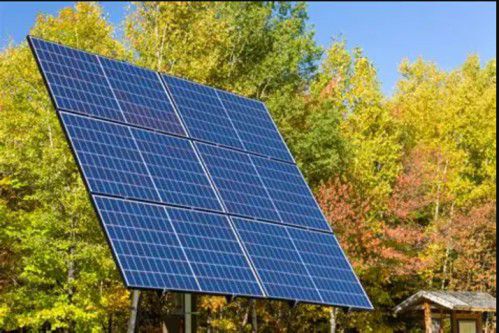
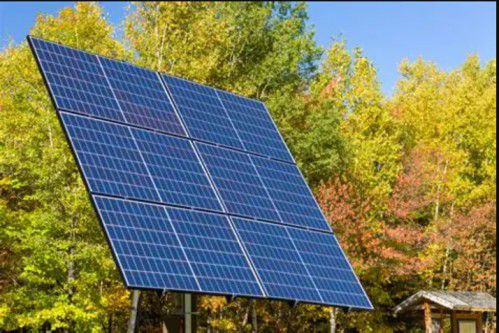
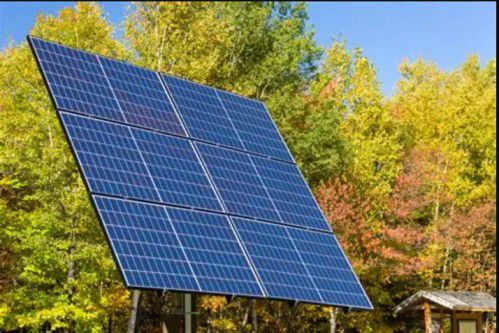
Hydrogen solar systems generate electricity from sunlight and store surplus energy as hydrogen, allowing renewable power to be used even when the sun is not shining.
- Solar panels generate electricity from sunlight: The system begins with photovoltaic solar panels converting sunlight into electricity. During peak sunlight hours, solar panels often produce more electricity than the building immediately consumes. Instead of sending all excess power to the grid, part of this energy can be used to produce hydrogen for future use.
- An electrolyser converts water into hydrogen: Excess solar electricity powers an electrolyser, which splits water into hydrogen and oxygen. This process, known as electrolysis, creates green hydrogen without relying on fossil fuels. The hydrogen produced acts as a clean energy carrier that can store solar energy for extended periods.
- Hydrogen is stored for future energy needs: The hydrogen gas is collected and stored in specially designed storage tanks. Unlike batteries, which gradually lose charge over time, hydrogen can potentially be stored for weeks or months, making it useful for long-duration energy storage applications.
- A fuel cell converts hydrogen back into electricity: When electricity is required during the night, cloudy weather, or power outages, a fuel cell converts the stored hydrogen back into electricity. This helps provide a continuous source of renewable energy even when solar panels are not actively generating power.
What components are used in a hydrogen solar panel system?
A hydrogen solar energy system combines several technologies that work together to generate, store, and supply renewable electricity.
| Component | Function |
| Solar panels | Generate electricity from sunlight |
| Inverter | Converts DC electricity into AC power for appliances |
| Electrolyser | Produces hydrogen from water using solar electricity |
| Hydrogen storage tank | Stores hydrogen safely for future use |
| Fuel cell | Converts hydrogen back into electricity |
| Energy management system | Controls energy generation, storage, and consumption |
| Water purification system | Supplies clean water required for electrolysis |
| Safety and monitoring equipment | Detects pressure changes, leaks, and system performance |
How do hydrogen solar panels compare with traditional solar panels?
Both technologies use solar energy, but hydrogen systems add energy storage capabilities that extend beyond what conventional solar installations typically offer.
| Parameter | Hydrogen solar panels | Traditional solar panels |
| Primary function | Generate electricity and store energy as hydrogen | Generate electricity from sunlight |
| Energy storage | Hydrogen tanks and fuel cells | Usually batteries or grid export |
| Backup duration | Days, weeks, or even months | Typically a few hours to a few days |
| System complexity | High | Moderate |
| Installation cost | Significantly higher | More affordable |
| Technology maturity | Emerging | Well-established |
| Residential adoption | Limited | Widely adopted |
| Maintenance requirements | Higher due to multiple components | Relatively lower |
How efficient are hydrogen solar panels?
Hydrogen solar systems can store renewable energy for long periods, but overall efficiency is affected by multiple energy conversion stages.
- Solar panel efficiency remains comparable to traditional systems: Most hydrogen solar installations use standard monocrystalline or TOPCon solar panels with efficiencies ranging from approximately 18% to 23%. The solar generation component performs similarly to conventional rooftop solar systems.
- Electrolysis introduces energy conversion losses: The process of converting electricity into hydrogen is not perfectly efficient. Modern electrolysers typically convert around 60% to 80% of electrical energy into hydrogen energy, with some energy lost during the conversion process.
- Fuel cells create additional conversion losses: When stored hydrogen is converted back into electricity, fuel cells usually operate at efficiencies between 40% and 60%. While this reduces overall system efficiency, it provides energy availability when solar generation is unavailable.
- Long-term storage is the key advantage: Although round-trip efficiency is generally lower than battery storage systems, hydrogen offers the ability to store renewable energy for much longer periods. This makes it particularly attractive for seasonal storage, remote locations, and large-scale renewable energy projects.
What are the benefits of hydrogen solar panels?
Hydrogen solar technology offers several advantages that make it a promising solution for the future of renewable energy storage.
- Provides long-duration energy storage: One of the biggest advantages of hydrogen is its ability to store energy for extended periods. Unlike batteries that are typically designed for short-term storage, hydrogen can retain stored energy for weeks or even months, making it useful for backup power and seasonal energy management.
- Reduces dependence on conventional batteries: Hydrogen storage can complement or partially replace large battery banks. This may help reduce concerns related to battery degradation, replacement costs, recycling challenges, and dependence on critical raw materials.
- Improves energy independence: By generating electricity and producing hydrogen on-site, homes, businesses, and industrial facilities can reduce reliance on the power grid. This can improve resilience during power outages and energy supply disruptions.
- Supports low-carbon energy goals: When hydrogen is produced using solar-powered electrolysis, the entire process generates very low greenhouse gas emissions. This helps organisations and governments move closer to long-term sustainability and net-zero targets.
- Offers future flexibility across industries: Hydrogen can be used not only for electricity generation but also in transportation, manufacturing, and industrial applications. This versatility gives hydrogen solar systems broader long-term potential than many conventional energy storage solutions.

Save more with Smart Savings Calculator
How much do hydrogen solar panels cost in India (October 2026)
Hydrogen solar systems remain significantly more expensive than conventional rooftop solar systems because they require additional equipment such as electrolysers, hydrogen storage tanks, and fuel cells.
| System component | Estimated cost range |
| 5 kW solar panel system | Rs. 250,000 – Rs. 400,000 |
| Electrolyser unit | Rs. 300,000 – over Rs. 1,000,000 |
| Hydrogen storage system | Rs. 200,000 – over Rs. 800,000 |
| Fuel cell system | Rs. 400,000 – over Rs. 1,500,000 |
| Energy management and safety systems | Rs. 100,000 – over Rs. 500,000 |
| Complete residential hydrogen solar system | Rs. 1,200,000 – over Rs. 3,500,000 |
Disclaimer: Each model's features, availability, and pricing are subject to change and may vary. For the most accurate and up-to-date information, please visit the official website.
Before you decide, explore the latest offers. You may find a great deal on a model that matches your needs.
Get electronics and appliances on Easy EMIs with Bajaj Finance
Upgrading your home with the latest electronics and appliances is now easier and more affordable with Bajaj Finance’s flexible financing options. Follow these steps to get started:
- Explore products on Bajaj Mall: Browse a wide range of electronics and appliances from trusted brands on Bajaj Mall. Compare features like energy ratings, storage capacity, performance settings, and design to choose the right product for your home.
- Visit a partner store: Once you shortlist a model, step into any of Bajaj Finance’s 1.5 lakh partner stores across 4,000 cities in India. See the product in person, talk to experts, and make a confident decision.
- Choose the Easy EMI Loan option: At checkout, select the Bajaj Finance Easy EMI Loan. Avail financing of up to Rs. 5 lakh and split the cost into convenient monthly instalments. Some products also come with a zero down payment option.
- Check your loan eligibility online: Plan better by checking your loan eligibility in minutes. Simply enter your mobile number and OTP to know your pre-approved limit.
- Use the Insta EMI Card for purchases up to Rs. 3 lakh: Already own the Bajaj Finance Insta EMI Card? Use it for instant, paperless checkout and convert your purchases of up to Rs. 3 lakh into Easy EMIs.
Get the best offers near you


FAQs
General
How do hydrogen solar panels produce energy?
Hydrogen solar systems generate electricity using solar panels and then use excess power to produce hydrogen through electrolysis. The hydrogen is stored and later converted back into electricity using a fuel cell when solar energy is unavailable. This allows renewable energy to be used even during the night or extended periods of low sunlight.
Are hydrogen solar panels available in India?
Hydrogen solar technology is currently available mainly through pilot projects, industrial applications, and specialised research initiatives in India. Fully integrated residential hydrogen solar systems are not yet widely commercialised, although interest in green hydrogen is growing through government and private-sector investments.
What is the efficiency of hydrogen solar panels?
The overall efficiency of hydrogen solar systems depends on the efficiency of the solar panels, electrolyser, hydrogen storage system, and fuel cell. While solar panels may exceed 20% efficiency, overall round-trip efficiency is generally lower than battery storage systems because energy is lost during hydrogen production and electricity conversion.
Are hydrogen solar systems safe for residential use?
Hydrogen systems can be safe when designed and installed according to recognised engineering standards. Modern systems include pressure controls, leak detection systems, ventilation measures, and automated monitoring equipment that help manage hydrogen safely during storage and operation.
What is the future of hydrogen solar technology?
Hydrogen solar technology is expected to play an important role in long-term renewable energy storage, industrial decarbonisation, and energy security. As electrolyser costs fall and hydrogen infrastructure expands, the technology could become increasingly practical for residential, commercial, and utility-scale energy systems.
More articles
Disclaimer
While care is taken to update the information, products, and services included in or available on our website and related platforms/websites, there may be inadvertent inaccuracies or typographical errors or delays in updating the information. The material contained in this site, and on associated web pages, is for reference and general information purpose and the details mentioned in the respective product/service document shall prevail in case of any inconsistency. Subscribers and users should seek professional advice before acting on the basis of the information contained herein. Please take an informed decision with respect to any product or service after going through the relevant product/service document and applicable terms and conditions. In case any inconsistencies observed, please click on reach us.
*Terms and conditions apply