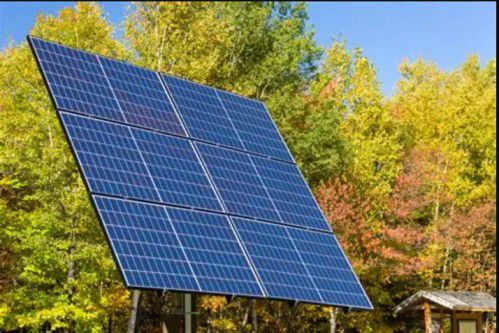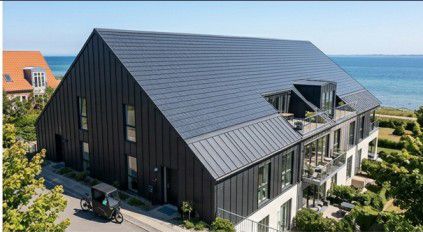

5kW Solar System: Price, Features and Specifications

5kW Solar System: Price, Features and Specifications

A 5 kW solar system costs Rs. 2,00,000–Rs. 3,00,000, with a subsidy of up to Rs. 78,000 under PM Surya Ghar Yojana. Bajaj Finance offers Solar Finance and EMI options across 1.5 lakh+ partner stores in 4,000+ cities.

Get pre-approved Solar Loan offers

Quick approval | Flexible Tenure Options | Zero Approval Fees

In summary

The 5kW solar system price in India typically ranges from Rs. 2,00,000 to Rs. 3,00,000, while eligible residential installations can receive a subsidy of up to Rs. 78,000 under PM Surya Ghar Yojana.

  • System cost: Prices vary with panel technology, inverter type, mounting structure, installation, and location.
  • Subsidy benefit: Eligible households can reduce the upfront cost through the Rs. 78,000 central subsidy.
  • Power generation: A 5 kW system can generate around 20–25 units of electricity per day under suitable sunlight conditions.
  • Roof space: Installation generally requires around 45–50 sq. m of shadow-free rooftop area.
  • Suitable for: A 5 kW system can meet substantial electricity requirements for larger homes and small businesses.

With Solar Finance, you can spread the installation cost into manageable EMIs, with financing access across 1.5 lakh+ partner stores in 4,000+ cities.

What is a 5kW solar system

A 5kW solar system is one of the most popular rooftop solar choices for medium to large Indian households, generating approximately 20 to 25 units of electricity per day under standard sunlight conditions. Supported by the Jawaharlal Nehru National Solar Mission, a 5kW system suits households consuming 400 to 600 units per month and supports a full range of household appliances including air conditioners, refrigerators, geysers and lights. It delivers significant monthly electricity bill savings, qualifies for government subsidy under PM Surya Ghar Yojana and pays back its cost within five to six years.

What are the types of 5kW solar systems available in India

Understanding the different 5kW solar system types can help you choose an option based on your electricity use, power cuts, grid connection, and budget. Each configuration works differently for Indian homes.


  • On-grid 5kW solar system: This system connects directly to the electricity grid and works with your DISCOM supply. Extra electricity generated during the day can be sent to the grid through net metering, subject to local rules. However, an on-grid system normally shuts down during power cuts for safety.
  • Off-grid 5kW solar system: This system works independently of the grid and stores solar power in batteries for use at night or during outages. It suits areas with frequent power cuts or unreliable grid supply. The battery bank increases the overall system cost, and off-grid systems are not covered under the PM Surya Ghar subsidy.
  • Hybrid 5kW solar system: A hybrid system combines grid connectivity with battery backup. It can support net metering where applicable while storing electricity for use during power cuts. It suits households that want both grid connectivity and backup power.
  • Bifacial 5kW solar system: This setup uses bifacial panels that can capture sunlight from both sides. The rear surface uses reflected light from the roof or surrounding surfaces, which can increase energy generation under suitable installation conditions.

What are the key features and specifications of a 5kW solar system

A 5kW solar system combines solar panels, an inverter, mounting equipment, and other components to generate electricity for everyday household use. Its performance depends on panel wattage, efficiency, installation conditions, and the equipment selected.


Features


  • Generates 20–25 units daily: A 5kW solar system can generate around 20 to 25 units of electricity per day under suitable sunlight conditions. Actual output varies with location, weather, shading, panel orientation, and system efficiency.
  • Uses multiple solar panels: The number of panels depends on their individual wattage. Higher-wattage panels can reduce the number of modules and roof space needed to reach a total capacity of 5kW.
  • Includes a 5kW solar inverter: The inverter converts DC electricity generated by the panels into AC electricity for household use. On-grid and hybrid systems use different inverter configurations.
  • Approved panels for subsidy: Systems seeking benefits under PM Surya Ghar Muft Bijli Yojana must meet the applicable government requirements. Check panel and vendor eligibility before installation.
  • Long panel warranties: Many established manufacturers offer performance warranties of around 25 years, although the guaranteed output and warranty conditions vary by manufacturer.
  • System and installation warranty: Installers may provide separate warranties for the inverter, mounting structure, wiring, and workmanship. Always check the exact coverage and duration before installation.


Specifications


SpecificationDetails
System capacity5kW or 5,000 watts peak
Number of panels12 to 14 panels (370W to 415W each)
Solar inverter5kW string or hybrid inverter
Daily generation20 to 25 units
Monthly generation600 to 750 units
Annual generation7,200 to 9,000 units
Roof space required30 to 35 sq. metres shadow-free
Panel efficiency19 to 22 percent (monocrystalline)
Performance warranty25 years
System warranty5 years
Government subsidyRs. 78,000 central subsidy under PM Surya Ghar Yojana
System price rangeRs. 2,00,000 to Rs. 3,00,000 (before subsidy)

How much electricity does a 5kW solar system generate

A 5kW solar system can generate around 20 to 25 units of electricity per day under suitable conditions. Knowing its expected daily, monthly, and annual output can help you compare it with your household electricity consumption and estimate potential savings.


ParameterDetails
System capacity5kW or 5,000 W
Daily generation20–25 units
Monthly generation600–750 units
Annual generation7,200–9,000 units
Suitable monthly consumptionAround 400–600 units
Peak summer generationUp to 28 units per day
Winter or cloudy-day generationAround 14–18 units per day
Estimated monthly bill savingsRs. 3,500–Rs. 5,500
Estimated annual bill savingsRs. 42,000–Rs. 66,000
Estimated payback after subsidyAround 4–6 years
Typical panel lifespanAround 25 years

Actual generation and savings can vary with sunlight, location, panel orientation, shading, electricity tariffs, system efficiency, and household consumption.

Price list of 5kW solar system in India (2026)

Luminous offers the most affordable 5kW system at Rs. 1,90,000, while other 5kW solar systems can cost up to Rs. 2,90,000 before subsidy, depending on the panel technology, components, installer, and configuration.


BrandPanel typeEfficiencyWarrantyPrice before subsidyPrice after subsidy*Best for
LuminousDepends on panel configurationVariesVaries by componentRs. 1,90,000–Rs. 2,30,000Rs. 1,12,000–Rs. 1,52,000Budget-focused homes
WaareeMonocrystalline19%–21%10–12 years product, 25 years performanceRs. 2,00,000–Rs. 2,45,000Rs. 1,22,000–Rs. 1,67,000Residential rooftops
HavellsMonocrystalline19%–20.5%10–12 years product, 25 years performanceRs. 2,10,000–Rs. 2,55,000Rs. 1,32,000–Rs. 1,77,000Home installations
Adani SolarMonocrystalline20%–21.5%10–12 years product, 25 years performanceRs. 2,20,000–Rs. 2,65,000Rs. 1,42,000–Rs. 1,87,000High-efficiency systems
Vikram SolarMonocrystalline20%–22%10–15 years product, 25 years performanceRs. 2,20,000–Rs. 2,65,000Rs. 1,42,000–Rs. 1,87,000High-efficiency rooftops
Tata Power SolarMonocrystalline19.5%–21%10–12 years product, 25 years performanceRs. 2,30,000–Rs. 2,75,000Rs. 1,52,000–Rs. 1,97,000Residential installations
RenewSysBifacial20%–22%12 years product, 25 years performanceRs. 2,40,000–Rs. 2,90,000Rs. 1,62,000–Rs. 2,12,000Higher-generation setups

Updated: (September 2026)


*Disclaimer: Price after subsidy assumes eligibility for the Rs. 78,000 central subsidy under PM Surya Ghar Muft Bijli Yojana. Actual prices, subsidy eligibility, panel specifications, warranty coverage, installation charges, and final system cost can vary by model, vendor, location, and system configuration.

What is the installation process for a 5kW solar system

Installing a 5kW solar system follows a structured process, from checking your rooftop to connecting the system to the grid. Knowing these steps can help you prepare the required documents and understand what happens during installation.


  • Site survey and system design: An installer checks your rooftop area, structural condition, shading, orientation, and electricity connection. These details help determine the panel layout, inverter capacity, and mounting structure.
  • PM Surya Ghar registration: Register on the PM Surya Ghar Yojana portal using your electricity consumer number, DISCOM details, and other required information. Apply for rooftop solar and obtain feasibility approval before proceeding.
  • DISCOM feasibility approval: Your DISCOM checks whether the proposed 5kW rooftop solar system can be connected to the local electricity grid.
  • Solar system installation: After approval, select an eligible vendor and install the approved solar panels, inverter, mounting structure, cables, and other required components.
  • Metering and grid connection: After installation, the required metering process is completed according to DISCOM rules. This enables eligible surplus solar electricity to be exported to the grid.
  • Subsidy disbursement: Once installation and the required verification are completed, submit the necessary details through the PM Surya Ghar process. Eligible residential systems of 3kW and above can receive a central subsidy of up to Rs. 78,000, which is transferred to the eligible applicant according to scheme guidelines.

What are the maintenance tips for a 5kW solar system

A 5kW solar system needs regular cleaning, basic monitoring, and an annual professional inspection to maintain efficient and reliable performance.


  • Clean every 1–2 months: Remove dust, leaves, and bird droppings with water and a soft cloth or brush.
  • Avoid peak sunlight: Clean panels early morning or evening. Cold water on hot panels can create thermal stress.
  • Monitor power generation: Check the inverter or monitoring app regularly for unusual drops in output or system alerts.
  • Inspect cables and mounting: Look for loose wiring, corrosion, damage, or movement in the mounting structure.
  • Schedule an annual inspection: Have a solar professional check the panels, inverter, wiring, connections, and mounting system once a year.

A professional annual check may cost around Rs. 1,500–Rs. 3,000, depending on the installer, location, and services included.

Which 5kW solar system gives the best ROI?

A 5kW on-grid solar system generally offers the best ROI for grid-connected Indian homes, with estimated annual savings of Rs. 42,000–Rs. 66,000 and a payback period of around 4–6 years.

System typeNet cost after subsidy*Annual savingPayback period25-year net saving*
On-gridRs. 1,22,000–Rs. 2,22,000Rs. 42,000–Rs. 66,0004–6 yearsRs. 8,28,000–Rs. 14,28,000
HybridRs. 3,00,000–Rs. 4,50,000Rs. 42,000–Rs. 66,0006–10 yearsRs. 6,00,000–Rs. 13,50,000
Off-gridRs. 4,00,000–Rs. 5,50,000Rs. 42,000–Rs. 66,0008–12 yearsRs. 5,00,000–Rs. 12,50,000

Trade-off: On-grid gives the best ROI for grid-connected urban homes. Off-grid can offer greater practical value in areas with more than 6 hours of daily outages, despite its higher upfront battery cost. For households seeking the best ROI solar system in India, on-grid is usually the stronger financial choice where grid supply and net metering are available.


Figures are estimates. Actual subsidy eligibility, savings, battery replacement costs, tariffs, generation, and payback vary by location and system configuration.

Why does a 5kW solar system cost more in urban areas?

A 5kW solar system price in urban areas can be higher because of labour charges, DISCOM requirements, structural work, and higher logistics costs. Installation expenses in metro cities may be Rs. 15,000–Rs. 40,000 higher than in Tier 2 towns.


  • Labour: Higher wages and complex rooftop access can increase installation charges.
  • DISCOM permissions: Application, metering, and compliance requirements can add time and associated costs.
  • Structural reinforcement: Older buildings may need roof strengthening or customised mounting structures before installation.
  • Land and logistics: Higher transport, storage, parking, and handling costs can raise the overall project price.

When comparing rooftop solar cost in a city vs town in India, request an itemised quote covering equipment, installation, structural work, and grid-connection expenses before choosing an installer.

How can you reduce the cost of a 5kW solar installation?

You can reduce the cost of a 5kW solar installation by claiming the available government subsidy, comparing installer quotes, and choosing a financing tenure that fits your budget.


  1. Claim the subsidy: Eligible residential systems can receive up to Rs. 78,000 under PM Surya Ghar Yojana.
  2. Compare quotes: Get itemised estimates from multiple empanelled installers before deciding.
  3. Choose the right panels: Compare panel efficiency, warranty, and price instead of paying for features you may not need.
  4. Avoid unnecessary upgrades: Add batteries or premium mounting structures only when your home requires them.
  5. Plan financing carefully: Check loan eligibility, interest charges, processing fees, and repayment terms before applying.

With a Solar Finance from Bajaj Finance, eligible customers with a minimum CIBIL score of 650 can choose a 3–60 month tenure. A shorter tenure means higher monthly EMIs but can reduce the total interest paid.

What are my financing options to buy solar panels?

Bajaj Finance offers Solar Finance to help you manage the upfront cost of solar panels and complete solar systems at over 1.5 lakh partner stores across 4,000 cities in India.

Financing optionFinancing amountKey features
Bajaj Finance Solar FinanceLoan limit up to Rs. 5 lakhQuick loan approval; 3 to 60 months tenure; basic KYC documents needed; suitable for solar panels and complete solar system purchases

How to choose? Solar Finance can help you spread the cost of your solar system into manageable monthly instalments instead of paying the entire amount upfront. Choose a repayment tenure based on your monthly budget and overall financing cost.

How do I buy solar panels on EMI at a Bajaj Finance partner store?

Installing solar panels for your home is easier to manage with Bajaj Finance’s flexible financing options. Follow these steps to plan your solar purchase and spread the cost into convenient instalments:


  • Explore solar panel options: Compare solar panels and systems based on capacity, panel technology, efficiency, power generation, warranty, and installation requirements to find the right setup for your home.
  • Visit a partner store: Once you shortlist a solar system, visit one of Bajaj Finance’s 1.5 lakh partner stores across 4,000 cities in India. Compare available options and understand the installation and financing requirements. 
  • Choose the Solar Finance option: Select the Solar Finance option to finance your solar panel purchase and installation. Choose a suitable repayment tenure and split the cost into manageable monthly instalments.
  • Check your loan eligibility online: Check your Solar Finance eligibility online before making a purchase. Enter your mobile number and OTP to view your eligible loan amount and plan your budget accordingly.
  • Complete your solar purchase: Finalise your solar system, complete the required documentation, and use the approved financing amount to manage the upfront cost of your solar installation.

Frequently asked questions

General

What is the 5kW solar system price after the PM Surya Ghar subsidy?

A 5kW solar system typically costs Rs. 2,00,000–Rs. 3,00,000 before subsidy. Eligible residential installations can receive a central subsidy of up to Rs. 78,000 under PM Surya Ghar Muft Bijli Yojana, bringing the indicative cost to around Rs. 1,22,000–Rs. 2,22,000. Actual costs vary by panel type, inverter, installer, location, and system configuration.

A 5kW solar system can generate around 20–25 units of electricity per day under suitable sunlight conditions. This works out to approximately 600–750 units per month. Actual generation varies with location, season, weather, shading, panel orientation, efficiency, and system losses.

A 5kW solar system may be sufficient for a home with two ACs, but it depends on AC capacity, running hours, efficiency, and other household appliances. Since a 5kW system can generate around 20–25 units per day under suitable conditions, compare your average daily electricity consumption with expected solar generation before choosing the system size.

A 5kW solar system typically requires around 45–50 sq. m of shadow-free rooftop space, although the exact area depends on panel wattage, dimensions, efficiency, mounting structure, and spacing. Higher-wattage panels may reduce the number of modules required. A site survey can determine the usable roof area and suitable panel layout.

A 5kW on-grid solar system generally offers the best ROI for homes with a reliable grid connection and net metering. With estimated annual electricity savings of around Rs. 42,000–Rs. 66,000, the system may achieve payback in approximately 4–6 years. Actual ROI depends on installation cost, subsidy eligibility, electricity tariffs, generation, consumption, and local net-metering rules.

Show more Show less

Disclaimer

While care is taken to update the information, products, and services included in or available on our website and related platforms/websites, there may be inadvertent inaccuracies or typographical errors or delays in updating the information. The material contained in this site, and on associated web pages, is for reference and general information purpose and the details mentioned in the respective product/service document shall prevail in case of any inconsistency. Subscribers and users should seek professional advice before acting on the basis of the information contained herein. Please take an informed decision with respect to any product or service after going through the relevant product/service document and applicable terms and conditions. In case any inconsistencies observed, please click on reach us.

*Terms and conditions apply