





The rooftop solar programme in India is designed to increase renewable energy adoption, reduce dependence on conventional electricity sources, and promote clean power generation across residential, commercial, and institutional sectors. Under government renewable energy initiatives led by the Ministry of New and Renewable Energy (MNRE), rooftop solar systems help households and businesses generate electricity directly from sunlight through grid-connected solar installations. Programmes such as PM Surya Ghar: Muft Bijli Yojana also support residential rooftop solar adoption through central financial assistance, helping improve energy sustainability, lower electricity expenses, and strengthen India’s long-term renewable energy capacity.

FAQs

Smart Savings Calculator
Get pre-approved loan offer
Get pre-approved loan offer
What are the objectives of the rooftop solar programme and India’s renewable energy initiatives
Who is eligible for the rooftop solar programme and how can consumers apply
The rooftop solar programme includes eligibility requirements, approval procedures, and installation guidelines for residential, commercial, and institutional consumers planning to install solar systems.
- Residential households with suitable rooftop space are commonly eligible: Homeowners with valid electricity connections and shadow-free rooftop space can commonly apply for rooftop solar installations under government-supported renewable energy programmes.
- Central subsidy support is primarily available for residential rooftop systems: Under PM Surya Ghar: Muft Bijli Yojana, central financial assistance is mainly available for eligible residential rooftop solar systems installed through approved vendors.
- Commercial and institutional users can install higher-capacity solar systems: Offices, educational institutions, factories, and commercial establishments may install rooftop solar systems for long-term electricity cost reduction and renewable energy usage.
- Applications generally require technical approvals and documentation: Consumers commonly submit electricity bill details, identification documents, rooftop ownership proof, and installation applications before technical feasibility verification and solar system approval.
- Net metering approval is important for grid-connected installations: Grid-connected rooftop solar systems commonly require net metering approval that allows surplus solar electricity generation to be supplied back to the electricity grid.
How does the rooftop solar subsidy structure and financial assistance work
Government rooftop solar schemes include subsidy support, financing assistance, and long-term savings benefits designed to improve renewable energy adoption across Indian households.
- Central financial assistance helps reduce rooftop solar installation costs: Government subsidy support under residential rooftop solar schemes helps reduce the upfront installation expenses associated with solar panels, inverters, and system setup.
- Subsidy structures vary according to rooftop solar system capacity: Financial assistance levels generally depend on installed solar capacity, state-level implementation policies, and applicable residential rooftop solar guidelines.
- Lower electricity consumption improves long-term household savings: Rooftop solar systems reduce dependence on conventional electricity supply, helping lower monthly electricity bills and improve long-term cost savings.
- Net metering improves return on investment over time: Surplus electricity generated through rooftop solar systems may be exported to the power grid through net metering arrangements, improving financial savings potential.
- Solar loans and financing options improve installation affordability: Many banks and financial institutions provide rooftop solar financing solutions, EMI options, and renewable energy loans depending on eligibility and lender policies.
What installation requirements and components are needed for rooftop solar systems
Rooftop solar installations require suitable roof conditions, compatible electrical infrastructure, and quality solar equipment for stable renewable power generation.
- Adequate rooftop space and sunlight exposure are essential: Rooftop solar systems require shadow-free roof areas with sufficient sunlight exposure for efficient electricity generation throughout the day.
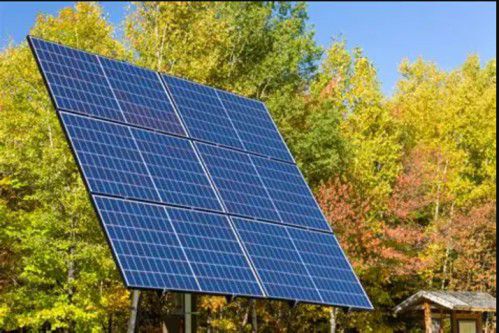
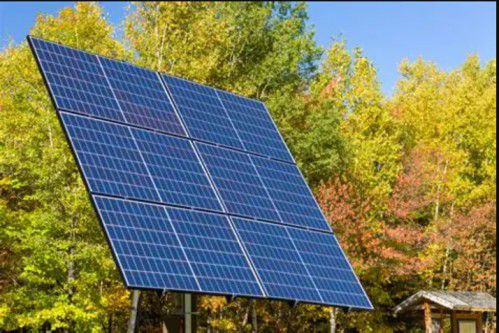
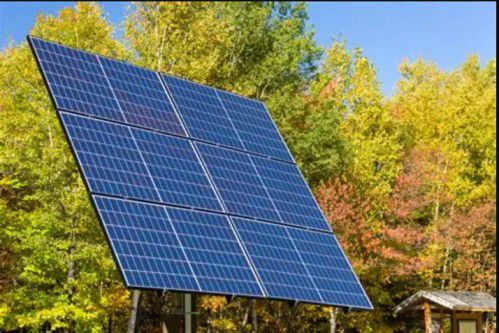
- Solar panels generate electricity using photovoltaic technology: Photovoltaic solar panels convert sunlight into electrical energy and are commonly installed across residential rooftops, offices, and commercial buildings.
- Solar inverters convert generated electricity into usable household power: Inverters convert direct current produced by solar panels into alternating current suitable for household appliances and grid connectivity.
- Mounting structures and protection systems improve installation safety: Mounting frames, electrical wiring, earthing systems, and safety equipment help ensure stable rooftop solar installation and long-term operational reliability.
- Battery storage systems are optional for backup power support: Some rooftop solar systems include battery storage for backup electricity during power cuts, although standard grid-connected systems may operate without batteries.
What are the benefits of rooftop solar systems for residential and commercial users
Rooftop solar systems support renewable electricity generation, lower energy expenses, and sustainable infrastructure development across households and businesses.
- Residential households benefit from lower electricity bills: Rooftop solar systems help households generate electricity independently and reduce long-term dependence on conventional grid-based power consumption.
- Commercial establishments improve operational energy efficiency: Offices, retail spaces, educational institutions, and commercial buildings can reduce operational electricity expenses through rooftop solar power generation.
- Industrial users benefit from renewable energy integration: Factories and industrial facilities commonly use rooftop solar systems to reduce conventional electricity usage and improve long-term energy management efficiency.
- Solar power supports cleaner and more sustainable energy consumption: Renewable solar electricity helps reduce carbon emissions and environmental impact associated with fossil fuel-based electricity generation.
- Long-term energy independence improves future energy security: Rooftop solar adoption helps strengthen renewable energy infrastructure while improving long-term energy sustainability across residential and commercial sectors.
Get electronics and appliances on Easy EMIs with Bajaj Finance
Bringing home your preferred product is now hassle-free with Bajaj Finance's flexible financing options. Follow these steps to get started:
- Explore products on Bajaj Mall: Browse through a wide selection of products on Bajaj Mall. Compare features to find a model that meets your needs.
- Visit a partner store: Once you shortlist a model, step into any of Bajaj Finance’s 1.5 lakh partner stores across 4,000 cities in India. See the product in person, talk to experts, and make a confident decision.
- Choose the Easy EMI Loan option: At checkout, select the Bajaj Finance Easy EMI Loan. Avail financing of up to Rs. 5 lakh and split the cost into convenient monthly instalments. Some products also come with a zero down payment option.
- Check your loan eligibility online: Plan better by checking your loan eligibility in minutes. Simply enter your mobile number and OTP to know your pre-approved limit.
- Use the Insta EMI Card for purchases up to Rs. 3 lakh: Already own the Bajaj Finance Insta EMI Card? Use it for instant, paperless checkout and convert your purchases of up to Rs. 3 lakh into Easy EMIs.
Save more with Smart Savings Calculator
Why use the Smart Savings Calculator
Bajaj Finance’s Smart Savings Calculator helps you unlock maximum savings every time you shop at partner stores. It brings together all available brand, dealer, and scheme offers—so you can see your total savings instantly and shop smarter with Easy EMIs.
1. Dealer offers - Grab exclusive in-store deals at over 1.5 lakh partner stores across India. Enjoy local discounts and special prices you will not find online.
2. Brand offers - Access limited-time discounts from top brands across electronics, appliances, and more. Discover brand-specific savings selected just for you.
3. Bajaj offers - Unlock exclusive Bajaj Finance deals on popular products—available only to our customers. More rewards, more value.
4. Scheme offers - Take advantage of time-sensitive offers on select EMI schemes. Get extra benefits after paying just 3 EMIs—visible during EMI selection at checkout.
Calculate your extra savings today!
Get the best offers near you


Related videos

Whirlpool 1 Ton AC - My Choice for the Summer

VOLTAS 1.5 All-Round Cool Performer

Haier Kinouchi Hexa AC – Power Up Without Heating Up

VOLTAS 1.5 Ton AC – Big Chill, Small Bill

Daikin 1.5 Ton AC – For Peaceful All-Nighters

IFB 1.5 Ton AC – Cool Setup for Every Batch

LG 1.5 Split Cooling with Performance

DAIKIN 1.5 Reliable Cooling on Budget
FAQs
General
What is the rooftop solar programme?
The rooftop solar programme is a government-supported renewable energy initiative designed to encourage households, commercial establishments, and institutions to install rooftop solar systems for electricity generation. The programme promotes clean energy adoption, reduced dependence on conventional electricity supply, and long-term renewable power generation across India. Residential rooftop solar systems may also qualify for central financial assistance under schemes such as PM Surya Ghar: Muft Bijli Yojana.
Who is eligible for rooftop solar subsidy support?
Residential households with valid electricity connections and suitable rooftop space are commonly eligible for rooftop solar subsidy support under government renewable energy schemes. Central financial assistance is primarily focused on residential rooftop solar systems installed through approved vendors and compliant installation procedures. Eligibility conditions may vary according to solar system capacity, state-level implementation guidelines, and applicable MNRE policies.
How can consumers apply for the rooftop solar scheme?
Consumers can generally apply for rooftop solar schemes by submitting electricity bill details, rooftop ownership documents, identification proof, and installation applications through approved portals or empanelled solar vendors. Technical feasibility inspections, net metering approvals, and installation verification processes are also commonly required before final commissioning and subsidy disbursement.
What are the benefits of rooftop solar systems?
Rooftop solar systems help reduce electricity bills, improve long-term energy savings, support renewable power generation, and reduce environmental impact associated with conventional electricity usage. They also improve energy independence, strengthen sustainable infrastructure development, and allow residential and commercial consumers to generate electricity directly from sunlight using rooftop installations.
Does rooftop solar reduce electricity bills?
Yes, rooftop solar systems commonly help reduce electricity bills by generating electricity directly from sunlight and lowering dependence on conventional grid power consumption. Net metering systems may also allow surplus solar electricity generation to offset future electricity usage, improving long-term financial savings and overall system efficiency.
More articles
Disclaimer
While care is taken to update the information, products, and services included in or available on our website and related platforms/websites, there may be inadvertent inaccuracies or typographical errors or delays in updating the information. The material contained in this site, and on associated web pages, is for reference and general information purpose and the details mentioned in the respective product/service document shall prevail in case of any inconsistency. Subscribers and users should seek professional advice before acting on the basis of the information contained herein. Please take an informed decision with respect to any product or service after going through the relevant product/service document and applicable terms and conditions. In case any inconsistencies observed, please click on reach us.
*Terms and conditions apply