Key factors affecting gold rates in Silchar
Several things shape the gold rate in Silchar, and knowing them helps you decide the right time to buy, sell, or take a gold loan.
- International gold prices: Since gold is traded worldwide, any rise or fall in global prices flows directly into what you pay in Silchar.
- USD-INR exchange rate: India imports most of its gold, so a weaker rupee against the US dollar makes gold costlier.
- Import duties and GST: These charges are added on top of the base price, raising your final cost.
- RBI monetary policy: Interest rate decisions and other monetary measures can influence how much investors want to hold gold.
- Local demand: Festivals, weddings, and religious occasions often push up buying, which can increase local prices.
- Dealer margins: Transport, storage, and dealer charges can cause small rate differences across sellers in Silchar.
Quick tip: Your gold could help you meet your financial needs. Check your gold loan eligibility and get an instant estimate based on your jewellery.
What is the difference between 18K, 22K, and 24K gold?
The karat value tells you how much pure gold is present in a piece of gold. The gold purity affects the value, durability and use of jewellery. Here is how 18K, 22K and 24K gold differ:
- 18K gold contains 75% pure gold. It is harder and more durable, making it suitable for everyday jewellery.
- 22K gold contains 91.6% pure gold. It offers a good balance of purity and strength, making the 22 carat gold price today in Silchar relevant when buying traditional jewellery.
- 24K gold contains 99.9% pure gold. It is the purest form of gold and is mainly used for investment in coins and bars. The 24 carat gold price today in Silchar can help you track its current value.
| Parameter | 18K Gold | 22K Gold | 24K Gold |
|---|
| Purity | 75% | 91.6% | 99.9% |
| Strength | Highest | High | Lower |
| Common Use | Diamond jewellery and daily wear jewellery | Traditional jewellery | Investment bars and coins |
| Price | Lowest | Higher | Highest |
How to check gold purity in Silchar
Before buying or pledging gold in Silchar, always verify its purity. Here are the most reliable methods:
- BIS hallmark: The BIS hallmark confirms that the gold meets certified purity standards and includes the purity grade, HUID number, hallmark centre, and jeweller's identification.
- Acid test: A professional uses nitric acid to determine gold purity through a controlled chemical reaction.
- X-ray fluorescence (XRF): A non-destructive method that accurately measures the composition of gold.
- Electronic gold tester: Provides a quick estimate of gold purity by measuring electrical conductivity.
- Assay testing: A certified assayer analyses the gold sample to determine its exact purity.
- Density testing: Compares the density of the sample with the known density of pure gold.
For the most accurate results, always visit a certified jeweller or professional assayer in Silchar.
Have gold at home? Find out how much you can borrow. Check your gold loan eligibility in just a few steps.
How can you calculate the value of your gold in Silchar?
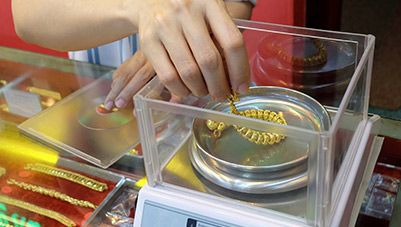
The value of your gold comes down to three simple things: how much it weighs, how pure it is, and today's market rate. The formula: gold value = weight × gold rate per gram (for that purity).
- Gold weight: The total weight of your jewellery or gold item.
- Gold purity: Whether your gold is 18K, 22K, or 24K, since purity directly affects how much pure gold it actually contains.
- Today's gold rate: The latest applicable gold rate for the same purity, since rates change daily.
Illustrative example: Say you own 10 grams of 22K gold, and today's 22K rate is Rs. 6,905 per gram. Estimated value: 10 × Rs. 6,905 = Rs. 69,050.
This gives you a working estimate of your gold's market value. The final value may differ slightly after purity verification and formal valuation by your lender or jeweller.
How do gold rates influence gold investments?
Gold prices have a direct impact on the value of gold investments. When gold rates rise, the value of physical gold, gold ETFs, and Sovereign Gold Bonds generally increases. When prices decline, the value of these investments may also decrease. Although each investment option works differently, all are influenced by movements in the underlying gold price.