Window vs Split AC: Which Consumes Less Electricity

Window vs Split AC: Which Consumes Less Electricity

Compare window and split AC electricity consumption, efficiency, running costs, and features. Buy ACs on Easy EMIs with Bajaj Finance.

Get a pre-approved loan offer up to Rs. 5 lakh

Quick approval | Flexible Tenure Options | Zero Approval Fees

In summary


Window and split ACs differ in their design, cooling performance, installation, and electricity consumption. Split ACs, particularly inverter models, can offer better energy efficiency by adjusting compressor speed according to cooling demand. Window ACs can be a practical choice for smaller rooms and buyers seeking a simpler installation and lower initial cost. Actual electricity consumption depends on the AC capacity, energy rating, compressor technology, room conditions, usage duration, and temperature setting.


  • Split ACs can provide efficient cooling and are generally suitable for medium-sized and larger rooms where consistent cooling is required.
  • Inverter split ACs can adjust compressor speed according to cooling demand, which may help reduce unnecessary power consumption during regular operation.
  • Window ACs can be suitable for smaller rooms and may have a lower initial purchase and installation cost than split ACs.
  • Electricity consumption depends on factors such as cooling capacity, BEE star rating, compressor type, room size, insulation, and daily usage.
  • Higher temperature settings can reduce cooling demand and may help lower electricity consumption when compared with very low temperature settings.
  • Regular filter cleaning and periodic maintenance can help maintain airflow and prevent the AC from working harder than necessary.
  • Comparing energy efficiency, purchase price, installation requirements, expected usage, and long-term running costs can help identify a suitable AC.

You can also buy a new AC on Easy EMIs at over 1.5 lakh partner stores across 4,000 cities, including Reliance Digital, Croma, and Vijay Sales. 
How do window and split ACs compare in cooling and power consumption?

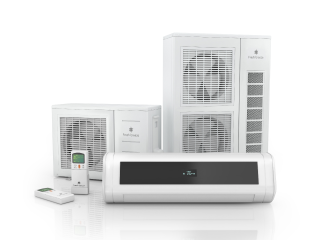
Window and split ACs can provide effective cooling, but their design, compressor technology, and electricity consumption can differ. Window ACs combine the main cooling components in a single unit, while split ACs use separate indoor and outdoor units. Split ACs, particularly inverter models, can adjust compressor speed according to cooling demand, which may support more efficient power usage during regular operation. Window ACs can be practical for smaller rooms and may have lower installation costs. Actual electricity consumption depends on capacity, BEE star rating, compressor type, room conditions, temperature settings, and daily usage. Comparing these factors can help identify an AC that offers suitable cooling while keeping power consumption manageable.


If you want to replace your AC, visit any of Bajaj Finance's 1.5 lakh partner stores — like Vijay Sales, Croma, Reliance Digital, and more — across 4,000 cities, including Tier 2 cities like Jaipur, Lucknow, Kochi, Bhopal, and more in India. Choose your preferred model, then use the Bajaj Finance Insta EMI Card or Bajaj Finance Easy EMI Loan to finance it. Convert the cost into Easy EMIs that suit your monthly budget and enjoy zero down payment on select models — take it home without any upfront payment. Check your loan eligibility online in minutes, so you know exactly what you can get before you step into the store. 

How does electricity consumption differ between window and split ACs?

Window and split ACs can differ in electricity consumption because of their compressor technology, cooling capacity, energy rating, and operating design. Split ACs, particularly inverter models, can adjust compressor speed according to cooling demand, which may help reduce unnecessary power usage during regular operation. Window ACs can still offer practical efficiency for smaller rooms, particularly when a suitably rated model is selected.

FactorWindow ACSplit AC
Compressor operationFixed-speed and inverter options are available, depending on the model.Fixed-speed and inverter options are available, with inverter models adjusting compressor speed according to cooling demand.
Electricity consumptionCan vary according to capacity, star rating, compressor type, and usage duration.Can offer lower power consumption in suitable inverter models, depending on usage and operating conditions.
Energy efficiencyEfficient models are available across different star ratings.Inverter split ACs can provide efficient operation by adjusting cooling output as required.
Cooling demandSuitable for smaller rooms when the capacity matches the space.Available in a wider range of capacities and can suit medium-sized and larger rooms.
InstallationGenerally requires a suitable window or wall opening and may involve simpler installation.Requires installation of separate indoor and outdoor units, which can involve higher installation costs.
Long-term running costMay be practical where cooling requirements are modest and usage is limited.Can offer better long-term efficiency in suitable inverter models used regularly.

Actual electricity consumption depends on the individual model and operating conditions rather than the AC type alone. Comparing the BEE star rating, capacity, compressor technology, and estimated usage can provide a more accurate indication of running costs.

What factors affect electricity consumption in window and split ACs?

Electricity consumption depends on how much cooling an AC needs to provide and how efficiently it can deliver that cooling. The type of AC is only one consideration, as room conditions, compressor technology, energy rating, temperature settings, and maintenance can all influence the amount of electricity used during everyday operation.


  • AC capacity: A capacity that is too low for the room may make the AC operate for longer periods, while an unnecessarily high capacity may not always provide the most efficient operation.
  • BEE star rating: Higher-rated models are generally designed to use electricity more efficiently under specified testing conditions, which can help manage electricity consumption during regular use.
  • Compressor technology: Inverter compressors can vary their speed according to cooling demand, potentially reducing unnecessary power consumption compared with repeated fixed-speed operation.
  • Room size: Larger rooms generally require more cooling output, which can increase electricity usage when compared with appropriately sized ACs for smaller spaces.
  • Insulation: Good insulation helps prevent cooled air from escaping and reduces the amount of cooling required to maintain the selected indoor temperature.
  • Temperature setting: Setting the AC to a very low temperature can increase cooling demand and may result in higher electricity consumption over extended periods.
  • Usage duration: An AC operating for several hours each day will generally consume more electricity than one used for shorter periods.
  • Outdoor temperature: Higher outdoor temperatures can increase the cooling load and require the AC to operate for longer or at higher output.
  • Filter condition: Dusty or blocked filters can restrict airflow, making the AC work harder and potentially increasing electricity consumption.
  • Maintenance: Clean filters, coils, and other components support proper airflow and heat exchange, helping the AC maintain efficient operation.


Considering these factors together provides a more useful understanding of electricity consumption than comparing window and split ACs based only on their design. Actual usage can vary significantly between households depending on room conditions, daily operating hours, and the specific AC model.

How does AC capacity affect window and split AC electricity consumption?

AC capacity determines the amount of cooling an appliance can provide and should be matched to the size and conditions of the room. Selecting an appropriate capacity helps the AC reach and maintain the desired temperature without requiring unnecessarily long operating periods or excessive energy use.


  • Room size: Larger rooms generally require greater cooling capacity, while smaller rooms may need a lower-capacity AC for efficient and consistent cooling.
  • Cooling load: Heat from sunlight, appliances, occupants, and poor insulation can increase the cooling requirement and influence how much electricity the AC uses.
  • Undersized AC: An AC with insufficient capacity may need to operate continuously or for longer periods to reach the selected temperature, potentially increasing electricity consumption.
  • Oversized AC: A model with excessive capacity may cool a room quickly but may not always provide the most efficient operation, particularly when humidity control is also important.
  • Number of occupants: Rooms with several occupants can generate additional heat, increasing the cooling load and potentially requiring the AC to operate for longer.
  • Room exposure: Rooms exposed to direct sunlight may experience greater heat gain and require more cooling than similarly sized rooms with less exposure.
  • Ceiling height: Rooms with higher ceilings contain a greater volume of air, which can affect the cooling requirement and the capacity needed for effective temperature control.
  • Usage pattern: Frequent and extended AC use makes selecting the appropriate capacity particularly important for managing long-term electricity consumption.
  • Energy rating: Capacity should be considered alongside the BEE star rating because two ACs with similar capacity can have different energy-efficiency levels.


Selecting the right capacity can help balance cooling performance, comfort, and electricity consumption. Room dimensions, heat exposure, insulation, occupancy, and expected usage should be considered together instead of selecting an AC based only on its capacity.


You can also explore: Portable ACs


Which window and split AC features can help reduce electricity consumption?

Several AC features can help manage electricity consumption by adjusting cooling output, improving temperature control, or reducing unnecessary operation. However, the most useful features depend on the AC type, room size, usage pattern, and energy rating. When comparing window and split ACs, it is useful to focus on features that can directly support efficient cooling rather than selecting a model based only on the number of functions available.


  • Inverter compressor: Inverter technology adjusts compressor speed according to cooling demand, helping the AC avoid repeated full-speed starts and stops during regular operation.
  • Higher BEE star rating: A higher BEE star rating generally indicates better energy efficiency under specified testing conditions, making it useful when comparing ACs with similar cooling capacities.
  • Eco mode: Eco mode can adjust cooling output or operating parameters when maximum cooling is not required, helping reduce unnecessary electricity consumption.
  • Sleep mode: Sleep mode can gradually adjust temperature or compressor operation during the night, when cooling requirements may change and maximum cooling may not be necessary.
  • Temperature control: Accurate temperature controls make it easier to maintain a comfortable setting without keeping the AC at unnecessarily low temperatures that can increase electricity usage.
  • Timer function: Timers can automatically switch the AC off after a selected period, helping prevent electricity consumption when cooling is no longer required.
  • Smart controls: Wi-Fi and app-based controls on compatible models can allow users to monitor and adjust AC operation remotely, helping avoid unnecessary running time.
  • Adjustable fan speeds: Multiple fan-speed settings allow airflow to be matched to the room's cooling requirement instead of continuously operating at the highest setting.
  • Filter indicators: Filter-cleaning alerts can remind users to maintain the filters, helping prevent dust buildup from restricting airflow and affecting efficient operation.


These features can support lower electricity consumption, but they work best when combined with the correct AC capacity, suitable temperature settings, regular maintenance, and an appropriate energy rating. Comparing these factors can help identify an AC that provides efficient cooling without adding unnecessary features or costs.

How do usage habits affect window and split AC electricity consumption?

The way an AC is operated can significantly influence its electricity consumption, regardless of whether it is a window or split model. Temperature settings, daily usage duration, room conditions, and maintenance habits can affect how hard the AC needs to work. Using either type sensibly can help manage power consumption and support efficient cooling without compromising everyday comfort.


  • Temperature setting: Keeping the AC at a moderate temperature can reduce cooling demand compared with selecting very low temperatures for extended periods.
  • Daily usage: Running an AC for longer hours generally increases electricity consumption, making it useful to switch it off when cooling is no longer required.
  • Room insulation: Keeping doors and windows closed and using curtains or blinds can reduce heat entering the room and help maintain the desired temperature.
  • Use of ceiling fans: A ceiling fan can improve air circulation and distribute cooled air more evenly, which may allow the AC to operate at a moderate temperature.
  • Sleep mode: Using sleep mode where available can adjust cooling during the night when maximum cooling may not be necessary.
  • Timer settings: Timers can automatically switch the AC off after a selected period, helping prevent unnecessary operation when the room is no longer occupied.
  • Filter cleaning: Regularly cleaning the filters helps maintain airflow and prevents dust accumulation from making the AC work harder.
  • Outdoor unit maintenance: For split ACs, keeping the outdoor unit free from dust, leaves, and other obstructions supports proper heat dissipation.
  • Avoiding frequent temperature changes: Constantly changing the temperature setting can increase cooling demand, particularly when the AC is repeatedly adjusted to very low settings.
  • Regular servicing: Periodic maintenance can help identify airflow, drainage, coil, or other issues that may affect cooling efficiency and electricity consumption.


Good operating habits can help both window and split ACs use electricity more efficiently. However, the actual consumption will also depend on the AC's capacity, energy rating, compressor technology, room conditions, and local climate. Combining sensible usage with an appropriately sized and energy-efficient model can help manage long-term electricity costs.

What are my financing options to buy an AC?

Bajaj Finance offers two financing options at over 1.5 lakh partner stores across 4,000 cities in India. Here is how they compare:

OptionLimitKey features
Bajaj Finance Insta EMI CardPre-approved card loan offer up to Rs. 3 lakhZero annual fee; 3 to 60 months tenure; works at 1.5 lakh partner stores; 3 months eligible products
Bajaj Finance Easy EMI LoanLoan limit up to Rs. 5 lakhQuick loan approval; 3 to 60 months tenure; basic KYC documents needed; ideal for higher-value purchases

How to choose? Both options require you to be physically present at a partner store. The Insta EMI Card is ideal for shoppers who want to purchase across multiple categories over time. The Easy EMI Loan suits buyers looking to finance a higher-value purchase in a single transaction.


Also explore the latest offers. You may find a great deal on a model that matches your needs. 

How do I buy an air conditioner on EMI at a Bajaj Finance partner store?

The process is simple and typically takes 10 to 15 minutes once you are at the store.

  1. Browse models on Bajaj Mall: Compare options on Bajaj Mall before visiting a store.
  2. Find a partner store near you: Use the Bajaj Finance store locator to find a nearby partner outlet such as Croma, Vijay Sales, or other authorised retailers.
  3. Check the AC in person: Check the key features, specifications, size, and performance to choose the product that best suits your needs and budget.
  4. Choose a suitable EMI option: At checkout, ask the store executive about the Bajaj Finance Insta EMI Card or Easy EMI Loan. Confirm available tenure options and whether your chosen model comes with a zero-down-payment offer.
  5. Complete payment and schedule installation: The in-store process is quick, and most partner stores offer installation as part of the purchase.

You can also check your loan eligibility online in advance by entering your mobile number and OTP, helping you plan your purchase better before visiting the store.

Save more with Smart Savings Calculator

Combine the best offers, EMI plans, and exclusive vouchers with Smart Savings Calculator to save big.

20k+ people used their offers at the store

Why use the Smart Savings Calculator?

Bajaj Finance’s Smart Savings Calculator helps you unlock maximum savings every time you shop at partner stores. It brings together all available brand, dealer, and scheme offers—so you can see your total savings instantly and shop smarter with Easy EMIs.

1. Dealer offers - Grab exclusive in-store deals at over  1.5 lakh partner stores across India. Enjoy local discounts and special prices you will not find online.

2. Brand offers - Access limited-time discounts from top brands across electronics, appliances, and more. Discover brand-specific savings selected just for you.

3. Bajaj offers - Unlock exclusive Bajaj Finance deals on popular products—available only to our customers. More rewards, more value.

4. Scheme offers - Take advantage of time-sensitive offers on select EMI schemes. Get extra benefits after paying just 3 EMIs—visible during EMI selection at checkout.

Calculate your extra savings today! 

Frequently asked questions

General

EMI details

Which AC type consumes more electricity — window or split?

A window AC may consume more electricity than an energy-efficient split AC when both provide similar cooling capacity and are used under comparable conditions. However, electricity consumption depends on factors such as BEE star rating, compressor technology, capacity, temperature setting, and usage duration. An inverter split AC can adjust compressor speed according to cooling demand, which may help reduce electricity consumption during regular operation.

A split AC can be more energy efficient than a window AC, particularly when comparing inverter models with similar cooling capacities and energy ratings. Inverter technology allows the compressor to adjust its speed according to cooling demand, which can reduce unnecessary power consumption. However, the actual efficiency of an AC depends on its BEE rating, capacity, room conditions, operating temperature, maintenance, and daily usage pattern.

Inverter technology can help reduce electricity consumption by allowing the compressor to adjust its speed according to the cooling requirement. Instead of repeatedly switching between full operation and shutdown, an inverter compressor can operate at different speeds to maintain the selected temperature. The actual savings depend on the AC model, energy rating, room conditions, temperature setting, usage duration, and other factors affecting cooling demand.

A split AC, particularly an energy-efficient inverter model, can be a better choice for managing long-term electricity consumption when it is correctly sized and regularly maintained. Window ACs may have a lower initial purchase and installation cost, making them practical for some smaller rooms. The better option depends on capacity, BEE rating, compressor technology, usage duration, installation cost, and expected electricity consumption over time.

Not necessarily. A 5 Star split AC is generally designed to be more energy efficient than a 3 Star window AC, but actual electricity consumption depends on capacity, usage duration, compressor technology, room conditions, and temperature settings. A properly sized 5 Star split AC may use less electricity during comparable operation, but the difference cannot be determined from the star rating alone. Comparing the models' rated power consumption is more reliable.

Yes, you can easily bring home your preferred AC using Bajaj Finance’s Easy EMI options. Whether you already have the Insta EMI card or are new to it, here is how to begin:


 If you have the Bajaj Finance Insta EMI card:

  • Explore products on Bajaj Mall: Choose from a wide range of the latest and most popular models.
  • Visit a partner store: Check out the product in person at any of Bajaj Finance’s 1.5 lakh partner stores across 4,000 cities in India.
  • Use your Insta EMI card at checkout: Convert the cost into Easy EMIs that fit your monthly budget.
  • Zero down payment on select models: Take your chosen product home without paying anything upfront.


If you do not have an Insta EMI card:

Check your Insta EMI Card eligibility online using your mobile number and OTP. If you are eligible, apply instantly and enjoy a smarter, more affordable way to buy your favourite AC on Easy EMIs. 

Show More Show Less

Disclaimer

While care is taken to update the information, products, and services included in or available on our website and related platforms/websites, there may be inadvertent inaccuracies or typographical errors or delays in updating the information. The material contained in this site, and on associated web pages, is for reference and general information purpose and the details mentioned in the respective product/service document shall prevail in case of any inconsistency. Subscribers and users should seek professional advice before acting on the basis of the information contained herein. Please take an informed decision with respect to any product or service after going through the relevant product/service document and applicable terms and conditions. In case any inconsistencies observed, please click on reach us.

*Terms and conditions apply