






- Snapdragon 4 Gen 1 is built on a 6 nm process, whereas Snapdragon 660 uses a 14 nm process.
- Snapdragon 4 Gen 1 supports integrated 5G, while Snapdragon 660 is limited to 4G LTE.
- The newer chipset offers higher CPU and GPU performance for smoother multitasking and gaming.
- Snapdragon 4 Gen 1 supports up to a 108MP camera and Full HD+ 120 Hz displays.


Comparison

FAQs

Smart Savings Calculator
Get pre-approved loan offer
Quick approval | Flexible Tenure Options | Zero Approval Fees
In summary
Snapdragon 4 Gen 1 vs Snapdragon 660 - Overview
The Snapdragon 4 Gen 1 and Snapdragon 660 are Qualcomm chipsets designed for different generations of mobile phones. Snapdragon 660 was a premium mid-range processor when it launched, while Snapdragon 4 Gen 1 is a newer entry-level 5G chipset built with a more advanced manufacturing process. The newer chipset offers better power efficiency, integrated 5G support, improved AI capabilities, and support for higher refresh rate displays. Meanwhile, Snapdragon 660 still delivers dependable CPU performance for everyday tasks and supports capable camera features for older smartphones. Buyers looking for better battery efficiency and future-ready connectivity may prefer Snapdragon 4 Gen 1, whereas Snapdragon 660 remains suitable for users with older devices focused on routine applications. The comparison below highlights the key specifications to help you understand how these processors differ in performance, graphics, connectivity, and multimedia support.
If you are planning to buy a new phone, you can easily explore your options in-store at over 1.5 lakh+ Bajaj Finance partner stores across 4,000+ cities. Check your loan eligibility and enjoy Easy EMI options with flexible financing. You may also benefit from zero down payment on select models.
Also Check: Dual Camera Smartphones


Snapdragon 4 Gen 1 vs Snapdragon 660 - Technical specifications
he Qualcomm Snapdragon 4 Gen 1 and Snapdragon 660 comparison highlights the differences between a modern 5G chipset and an older processor. Snapdragon 4 Gen 1 offers improved efficiency, connectivity, and performance.
General information
The Snapdragon 4 Gen 1 and Snapdragon 660 represent different generations of Qualcomm processors. Snapdragon 4 Gen 1 uses a modern 6nm process with 5G support, while Snapdragon 660 is based on an older 14nm process.
| Specification | Snapdragon 4 Gen 1 | Snapdragon 660 |
|---|---|---|
| Launch date | 6 October 2022 | 9 May 2017 |
| Manufacturing process | 6nm | 14nm |
| Architecture | 64-bit | 64-bit |
| CPU cores | 8-core | 8-core |
CPU
CPU architecture impacts smartphone speed, multitasking and app performance. Snapdragon 4 Gen 1 uses newer Cortex cores for better efficiency, while Snapdragon 660 relies on older Kryo cores designed for basic and moderate workloads.
| Specification | Snapdragon 4 Gen 1 | Snapdragon 660 |
|---|---|---|
| CPU configuration | 2 × Cortex-A78 + 6 × Cortex-A55 | 4 × Kryo 260 Gold + 4 × Kryo 260 Silver |
| Maximum clock speed | Up to 2.0 GHz | Up to 2.2 GHz |
| CPU architecture | ARMv8 | ARMv8 |
| CPU performance | Better efficiency and multitasking | Good for basic and moderate usage |
Graphics
Graphics performance affects gaming, video playback and UI smoothness. Snapdragon 4 Gen 1 features the newer Adreno 619 GPU, offering improved rendering and better gaming performance compared to Snapdragon 660’s Adreno 512 GPU.
| Specification | Snapdragon 4 Gen 1 | Snapdragon 660 |
|---|---|---|
| GPU | Adreno 619 | Adreno 512 |
| Gaming performance | Better | Moderate |
| Graphics API support | OpenGL ES, Vulkan | OpenGL ES, Vulkan |
| Overall graphics | Improved rendering efficiency | Suitable for older games |
Memory
Memory support impacts multitasking speed and app loading times. Snapdragon 4 Gen 1 supports faster memory frequency and newer UFS 2.2 storage, while Snapdragon 660 uses older storage standards.
| Specification | Snapdragon 4 Gen 1 | Snapdragon 660 |
|---|---|---|
| RAM type | LPDDR4X | LPDDR4X |
| Maximum memory frequency | 2133 MHz | 1866 MHz |
| Storage support | UFS 2.2 | UFS 2.1, eMMC 5.1 |
| Memory performance | Faster | Moderate |
Multimedia
Multimedia features affect camera quality, display support and video capabilities. Snapdragon 4 Gen 1 supports higher-resolution cameras and smoother 120 Hz displays, while Snapdragon 660 offers higher display resolution and 4K video recording.
| Specification | Snapdragon 4 Gen 1 | Snapdragon 660 |
|---|---|---|
| Maximum camera support | 108MP | 25MP single / 16MP dual |
| Display support | Full HD+ 120 Hz | QHD |
| Video recording | 1080p at 60fps | 4K at 30fps |
| Video playback | Up to Full HD | Up to 4K |
Connectivity and network
Connectivity features impact network speeds and wireless compatibility. Snapdragon 4 Gen 1 offers 5G support, newer Bluetooth and NavIC support, while Snapdragon 660 is limited to 4G LTE connectivity.
| Specification | Snapdragon 4 Gen 1 | Snapdragon 660 |
|---|---|---|
| Cellular network | 5G, 4G LTE | 4G LTE |
| Wi-Fi | Wi-Fi 5 | Wi-Fi 5 |
| Bluetooth | Bluetooth 5.2 | Bluetooth 5.0 |
| Navigation | GPS, GLONASS, Galileo, BeiDou, NavIC | GPS, GLONASS, Galileo, BeiDou |
Snapdragon 4 Gen 1 vs Snapdragon 660 - Benchmark
Snapdragon 4 Gen 1 benefits from a newer 6 nm manufacturing process and modern Cortex-A78 cores, whereas Snapdragon 660 relies on an older Kryo 260 architecture. The comparison below highlights their benchmark performance across popular testing platforms.
AnTuTu benchmark
AnTuTu evaluates overall processor performance by testing CPU, GPU, memory and user experience. Snapdragon 4 Gen 1 achieves higher scores than Snapdragon 660, offering better performance for multitasking, app loading and daily smartphone usage.
| Benchmark | Snapdragon 4 Gen 1 | Snapdragon 660 |
|---|---|---|
| CPU | 1,37,866 | 96,274 |
| GPU | 64,873 | 44,587 |
| Memory | 93,562 | 72,568 |
| UX | 1,21,655 | 89,671 |
| Total AnTuTu v10 | 4,17,956 | 3,03,100 |
Geekbench benchmark
Geekbench measures CPU performance across single-core and multi-core workloads. Snapdragon 4 Gen 1 delivers significantly higher scores than Snapdragon 660 due to its newer Cortex-A78 architecture, improving processing speed and efficiency.
| Benchmark | Snapdragon 4 Gen 1 | Snapdragon 660 |
|---|---|---|
| Single-core | 917 | 389 |
| Multi-core | 2,096 | 1,095 |
CPU and GPU performance
CPU and GPU performance determine gaming, multitasking and graphics capabilities. Snapdragon 4 Gen 1 offers better performance with newer CPU cores, Adreno 619 GPU and a more efficient 6nm process, while Snapdragon 660 is suited for basic tasks.
| Parameter | Snapdragon 4 Gen 1 | Snapdragon 660 |
|---|---|---|
| CPU architecture | 2 × Cortex-A78 + 6 × Cortex-A55 | 4 × Kryo 260 Gold + 4 × Kryo 260 Silver |
| GPU | Adreno 619 | Adreno 512 |
| Manufacturing process | 6nm | 14nm |
| Gaming performance | Better for modern games | Suitable for light gaming |
| Power efficiency | Better | Lower |
New release in mobile phones
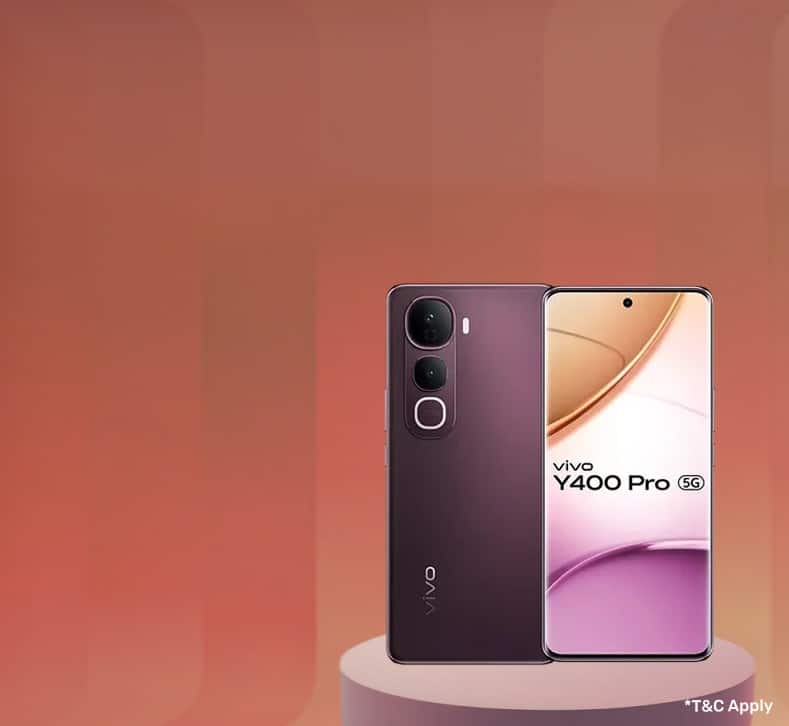
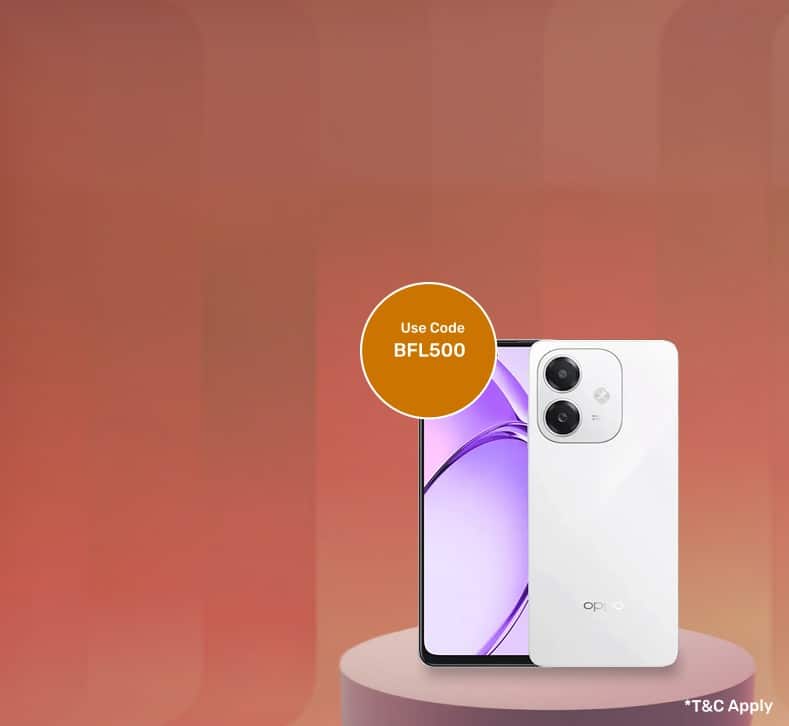

Save more with Smart Savings Calculator
Shop smart with Easy EMIs
Bajaj Finance puts you in control of your shopping. See if you are eligible for a loan and get instant approval in just a few steps. Once approved, go to any of 1.5 lakh+ partner stores across India. Pick from over 1 million products from 550+ leading brands. Pay in Easy EMIs with 50+ flexible options that fit your budget. Enjoy a fast, seamless, and stress-free shopping experience—with more freedom and more savings.
Why use the Smart Savings Calculator
Bajaj Finance’s Smart Savings Calculator helps you unlock maximum savings every time you shop at partner stores. It brings together all available brand, dealer, and scheme offers—so you can see your total savings instantly and shop smarter with Easy EMIs.
1. Dealer offers - Grab exclusive in-store deals at over 1.5 lakh partner stores across India. Enjoy local discounts and special prices you will not find online.
2. Brand offers - Access limited-time discounts from top brands across electronics, appliances, and more. Discover brand-specific savings selected just for you.
3. Bajaj offers - Unlock exclusive Bajaj Finance deals on popular products—available only to our customers. More rewards, more value.
4. Scheme offers - Take advantage of time-sensitive offers on select EMI schemes. Get extra benefits after paying just 3 EMIs—visible during EMI selection at checkout.
Calculate your extra savings today!

vivo Y19
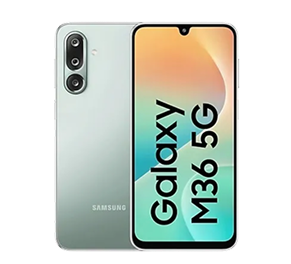
Samsung Galaxy M36 5G
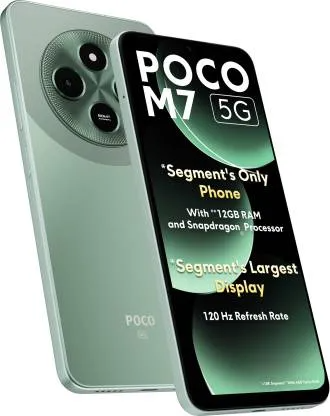
Poco M7 5G
Explore other Samsung smartphones
Get the best offers near you








Related videos

VIVO Y56 Perfect for Daily Smart Use

VIVO X200 Storage King, Feature Loaded

OPPO A58 – Smart Performer for Daily Life

TECNO Phantom V Flip – Flip & Flex in Style

Why ONEPLUS 13R 5G Is Worth It!

Samsung Galaxy A34 Reliable Smart Choice

Oppo Reno – Style Meets Performance

Realme 13 Plus - 5G Speed, Value Packed

VIVO V40 - Premium Power, Daily Ready
FAQs
General
What makes Snapdragon 660 different from Snapdragon 4 Gen 1?
The Snapdragon 4 Gen 1 differs from the Snapdragon 660 in architecture, efficiency, and connectivity. The Snapdragon 4 Gen 1 is built on a 6nm process with newer CPU cores, improved power efficiency, and 5G support. The Snapdragon 660 uses a 14nm process and supports 4G connectivity. While the Snapdragon 660 offers reliable performance for everyday tasks, the Snapdragon 4 Gen 1 provides better efficiency and modern smartphone capabilities.
Is Snapdragon 660 equal to Snapdragon 4 Gen 1?
No. Although both are octa-core Qualcomm processors, they target different generations of smartphones. Snapdragon 4 Gen 1 offers a modern CPU architecture, integrated 5G connectivity, improved graphics performance, and better energy efficiency. Snapdragon 660 was a capable mid-range chipset at launch, but it lacks several modern features that users expect from current smartphones, making Snapdragon 4 Gen 1 the stronger overall processor.
Which processor is more power-efficient, Snapdragon 6s Gen 3 or Snapdragon 6 Gen 1?
The main differences include manufacturing process, CPU architecture, graphics performance, and connectivity. Snapdragon 4 Gen 1 uses a 6 nm process, supports integrated 5G, Bluetooth 5.2, UFS 2.2 storage, Full HD+ 120 Hz displays, and cameras up to 108MP. Snapdragon 660 is built on a 14 nm process, supports only 4G LTE, Bluetooth 5.0, and older storage standards, making it less future-ready.
What are the key differences in features between Snapdragon 660 and Snapdragon 4 Gen 1?
The key differences between Snapdragon 660 and Snapdragon 4 Gen 1 include architecture, connectivity, and efficiency. Snapdragon 4 Gen 1 is built on a 6 nm process and features newer Cortex-A78 cores, an Adreno 619 GPU, integrated 5G support, Bluetooth 5.2, and support for up to 108MP cameras. Snapdragon 660 uses a 14 nm process, Kryo 260 cores, an Adreno 512 GPU, 4G LTE connectivity, and older multimedia capabilities, making it less future-ready.
Can I get a smartphone on EMI?
Yes, you can easily upgrade to a new smartphone with Bajaj Finance's Easy EMI options. Whether you already have the Insta EMI Card or are new to it, here is how you can get started:
If you have the Bajaj Finance Insta EMI Card:
- Explore smartphones on Bajaj Mall: Choose from top brands offering models with powerful processors, high-resolution cameras, and long-lasting batteries.
- Visit a partner store: Check out the latest phones in person at any of 1.5 lakh partner stores across 4,000 cities.
- Use your Insta EMI Card at checkout: Convert the total cost into Easy EMIs that fit your monthly budget.
- Zero down payment on select models: Bring home your smartphone without paying anything upfront.
If you do not have an Insta EMI Card:
Check your Insta EMI Card eligibility online using your mobile number and OTP. If eligible, you can apply instantly and start shopping for your favourite smartphone easily and affordably.
More articles

Best AI Smartphones in 2026 – Price, Features, and Specifications
Jul 04, 2026
Read more
Top Curved Display Mobile Phones List in India
Read more
Top Gaming Android Phones (2026) - Best Picks for Power, Performance and Play
Jan 23, 2026
Read more

Android 16 New Features, Release Date and Supported Phones
Jun 06, 2026
Read more