Places to Visit in Paris: Budgeting, Attractions and Tips

Places to Visit in Paris: Budgeting, Attractions and Tips

Paris brings together historic landmarks, world-renowned art, grand boulevards, riverside walks and neighbourhood cafés. Planning your itinerary around nearby attractions can help you make the most of your time.

Rs. 40,000 - Rs. 55 lakh

You may be eligible for a pre-approved offer

Enter mobile and OTP | Check offer | No branch visit needed


In Summary

Paris is the capital of France and a major destination for art, architecture, fashion, food and history. Its appeal extends beyond individual monuments.  However, the main challenge for visitors is deciding how much to fit into the itinerary. Paris


  • Top attractions: Eiffel Tower, Louvre Museum, Notre-Dame Cathedral, Montmartre, Musée d'Orsay, Champs-Élysées, Sainte-Chapelle, Luxembourg Gardens, Musée Rodin and Le Marais.
  • Ideal trip duration: Four to five days for major attractions, neighbourhood walks, museums and local food.
  • Best time to visit: April to June and September to October for generally mild weather and outdoor sightseeing.
  • Getting around: The Paris Métro, RER trains, buses and walking are practical ways to explore the city.
  • Budget planning: Flights, accommodation, museum tickets, meals, transport and travel insurance make up most of the expenses for travellers departing from India.
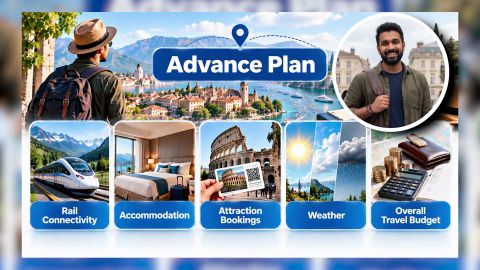
  • Planning tip: Book popular attractions in advance, group nearby places together and keep some flexibility for weather, queues and unexpected expenses.


A practical approach is to organise sightseeing by area. Combine the Eiffel Tower with the Seine riverbanks, plan the Louvre alongside the Tuileries Garden, and explore Notre-Dame and Sainte-Chapelle on the same day. Keep Versailles as a separate excursion because it requires additional travel time.

Top 10 places to visit in Paris

Here is the list of the places that will help you experience Paris's art, architecture, culture and everyday life while making the most of your trip.

1. Eiffel Tower


The Eiffel Tower is one of the most recognisable landmarks in the world and a natural starting point for a first visit to Paris. Built for the 1889 Exposition Universelle, the iron structure offers views across the city's rooftops, boulevards and the Seine.


You can admire the tower from the Champ de Mars gardens, walk along the nearby riverbanks or purchase a ticket to access its viewing levels. Going up the tower provides a different perspective from photographing it at ground level. However, the experience requires more time during busy periods, especially around sunset and holidays.

Planning detailInformation
LocationChamp de Mars, 7th arrondissement
Main highlightsViewing platforms, city panoramas, illuminated tower
Suggested time1.5 to 3 hours, depending on ticket access and queues
Best time to visitEarly morning for a quieter visit, or late afternoon for changing daylight
Practical tipCheck official ticket availability and access conditions before travelling. Allow extra time for security and queues.
How to reachMétro stations include Bir-Hakeim and Trocadéro, followed by a walk

Planning note: Seeing the Eiffel Tower and ascending it are two different activities. When your itinerary is tight, you can enjoy the surrounding viewpoints without committing several hours to the climb or lifts.


2. Louvre Museum


The Louvre is one of the world's major art museums, known for works such as the Mona Lisa and the Venus de Milo. The museum occupies a former royal palace, and its glass pyramid entrance has become a landmark in its own right.


Its collection spans ancient civilisations, European painting, sculpture and decorative arts. The scale of the museum is considerable, so attempting to see everything in one visit can be exhausting. Instead, select a few collections or artworks that interest you and build your route around them.

Planning detailInformation
LocationRue de Rivoli, 1st arrondissement
Main highlightsMona Lisa, Venus de Milo, museum architecture and extensive art collections
Suggested time3 to 4 hours for a focused visit; longer for extensive exploration
Best time to visitA booked entry slot that fits your itinerary, preferably with enough time for selected galleries
Practical tipReserve entry in advance and check the museum's current opening days, ticket rules and exhibition access.
How to reachPalais Royal–Musée du Louvre Métro station is nearby

Planning note: Avoid scheduling another large museum immediately afterwards. A substantial museum visit involves more walking and standing than many travellers expect, even when you focus on a small number of galleries.


3. Notre-Dame Cathedral


Located on Île de la Cité, Notre-Dame Cathedral is an important example of French Gothic architecture. Its sculpted façade, towers, rose windows and position beside the Seine make it a significant stop for 

visitors interested in Parisian history and architecture.


The cathedral suffered extensive damage in the April 2019 fire and underwent a major restoration before reopening in December 2024. Visitors should check the official visitor information for current access arrangements, entry requirements and any restrictions affecting specific areas.


Planning detailInformation
LocationÎle de la Cité, 4th arrondissement
Main highlightsGothic architecture, rose windows, sculpted façade and historic setting
Suggested timeAround 45 minutes to 1.5 hours, depending on access and queues
Best time to visitEarlier in the day when practical, with time reserved for the surrounding area
Practical tipVerify current visitor arrangements on the official cathedral website before your visit.
How to reachCité or Saint-Michel Métro stations are within walking distance

Planning note: Treat Notre-Dame as part of a historic centre walking route rather than an isolated stop. Sainte-Chapelle, the Seine riverbanks and nearby streets can make the journey more rewarding without requiring another long cross-city trip.


4. Montmartre and Sacré-Cœur Basilica


Montmartre is a hilltop neighbourhood in northern Paris associated with artists, cafés, winding lanes and views over the city. Its streets offer a different atmosphere from the monumental boulevards around the Eiffel Tower and Champs-Élysées.


At the top of the hill stands Sacré-Cœur Basilica, whose elevated position provides a broad view of Paris. Nearby, Place du Tertre is known for artists and portrait painters. The surrounding streets have cafés, small shops and historic sites that are best explored on foot.

Planning detailInformation
Location18th arrondissement
Main highlightsSacré-Cœur Basilica, Place du Tertre, artistic streets and city views
Suggested time2 to 3 hours
Best time to visitMorning for a more relaxed walk or late afternoon for views
Practical tipExplore the side streets as well as the main square, and account for uphill walking.
How to reachAbbesses or Anvers Métro stations, followed by a walk or local transport uphill

Planning note: Montmartre is more than a quick photograph at the basilica. Leave time to wander through the neighbourhood, stop for a pastry or coffee and explore its smaller streets. Avoid scheduling it immediately after a physically demanding day.


5. Musée d'Orsay


Housed in a former railway station, Musée d'Orsay is especially known for its Impressionist and Post-Impressionist collections. It features works by artists including Claude Monet, Edgar Degas, Pierre-Auguste Renoir and Vincent van Gogh.


The museum's architecture is part of the experience. Its large central space, high ceilings and distinctive clock create a setting quite different from the galleries of the Louvre. Visitors interested in nineteenth-century art may find it easier to explore than a much larger museum, although the time required depends on how closely you want to examine the collections.

Planning detailInformation
Location1 Rue de la Légion d'Honneur, 7th arrondissement
Main highlightsImpressionist and Post-Impressionist paintings, sculptures and former railway station architecture
Suggested time2 to 3 hours
Best time to visitA pre-booked slot that leaves time for selected galleries
Practical tipCheck opening days and current exhibition arrangements before booking.
How to reachSolférino Métro station and Musée d'Orsay RER station serve the area

Planning note: Choose between the Louvre and Musée d'Orsay based on your interests rather than treating both as museums that must be completed in a single day. Visitors with a strong interest in art may want a dedicated visit to each.


6. Champs-Élysées and Arc de Triomphe


The Champs-Élysées is a famous Parisian avenue lined with shops, cafés, theatres and restaurants. It runs between Place de la Concorde and the Arc de Triomphe, making it a useful route for combining sightseeing with shopping or a leisurely walk.


At the western end, the Arc de Triomphe commemorates those who fought and died for France. Visitors can explore the monument and, with the appropriate ticket, access its rooftop for views of the avenue and the surrounding city.


Planning detailInformation
Location8th arrondissement
Main highlightsArc de Triomphe, avenue architecture, shopping and city views
Suggested time1.5 to 3 hours, depending on shopping and rooftop access
Best time to visitLate afternoon into the evening
Practical tipUse the pedestrian access route to reach the Arc de Triomphe safely. Do not attempt to cross the traffic circle directly.
How to reachCharles de Gaulle–Étoile Métro station serves the Arc de Triomphe

Planning note: The avenue can take longer to walk than it appears on a map. Decide whether you want to browse the shops, climb the monument or simply walk through the area, then allocate time accordingly.


7. Sainte-Chapelle


Sainte-Chapelle is a medieval Gothic chapel on Île de la Cité, known for its tall stained-glass windows depicting biblical scenes. The upper chapel is particularly striking when daylight passes through the glass, illuminating the interior with rich colours.


Its relatively compact size makes it easier to combine with other attractions in the historic centre. Notre-Dame Cathedral, the Seine riverbanks and the Conciergerie are all nearby, allowing you to build a half-day itinerary around medieval Paris.


Planning detailInformation
Location8 Boulevard du Palais, 1st arrondissement
Main highlightsStained-glass windows, Gothic architecture and medieval history
Suggested time45 minutes to 1.5 hours, including entry arrangements
Best time to visitDuring daylight hours for the stained glass
Practical tipCheck current ticketing, security requirements and opening arrangements before visiting.
How to reachCité Métro station is nearby

Planning note: Consider booking Sainte-Chapelle on the same day as Notre-Dame. This reduces unnecessary travel and allows you to explore the historic island at a comfortable pace.


8. Luxembourg Gardens


The Luxembourg Gardens provide a green retreat from Paris's busy streets. Located in the Left Bank area, the gardens feature tree-lined paths, lawns, flowerbeds, fountains and statues, with the Luxembourg Palace forming a prominent part of the setting. The gardens are suitable for travellers who want a slower afternoon between museums and monuments. You can walk through the grounds, sit beside the pond, read, take photographs or enjoy a break before continuing to a nearby café or neighbourhood.


Planning detailInformation
Location6th arrondissement
Main highlightsFormal gardens, Medici Fountain, statues and landscaped paths
Suggested time1 to 2 hours
Best time to visitSpring and early autumn for generally comfortable outdoor conditions
Practical tipCheck seasonal opening hours and local garden rules, especially if you plan to picnic.
How to reachLuxembourg RER station and nearby Métro stations serve the area

Planning note: The gardens work well as a flexible stop. Keep this part of your itinerary open-ended so you can adjust it around the weather, museum visits and how much walking you have already done.


9. Musée Rodin


Musée Rodin is dedicated to the work of sculptor Auguste Rodin. Set in the Hôtel Biron, an eighteenth-century mansion, the museum displays sculptures, drawings, photographs and other material related to his artistic practice.


The sculpture garden is a major part of the visit. Works such as The Thinker and The Gates of Hell can be viewed in an outdoor setting, giving visitors a different experience from a traditional gallery.

Planning detailInformation
Location77 Rue de Varenne, 7th arrondissement
Main highlightsRodin's sculptures, sculpture garden and historic mansion
Suggested time1.5 to 2.5 hours
Best time to visitA mild day when you can comfortably explore the garden
Practical tipCheck which indoor galleries and garden areas are open on your chosen date.
How to reachVarenne Métro station is nearby

Planning note: Combine Musée Rodin with nearby sights in the 7th arrondissement rather than travelling across the city for a single short visit. The garden is particularly useful when you want a break from indoor sightseeing.


10. Le Marais


Le Marais is a historic district spread across parts of the 3rd and 4th arrondissements. It combines older architecture, independent boutiques, cafés, galleries, museums and a lively food scene.


Place des Vosges is one of the area's best-known squares and provides a pleasant place to pause during a walk. Depending on your interests, you can explore the neighbourhood's historic streets, visit a museum, browse local shops or sample pastries and other French specialities.

Planning detailInformation
Location3rd and 4th arrondissements
Main highlightsPlace des Vosges, historic streets, boutiques, galleries and cafés
Suggested time2 to 4 hours
Best time to visitLate morning through the afternoon
Practical tipCheck individual shop and museum opening days. Allow time for food stops rather than planning every minute.
How to reachSaint-Paul, Hôtel de Ville and Arts et Métiers Métro stations serve different parts of the area

Planning note: Le Marais works well as a flexible neighbourhood day. It offers an alternative to a schedule dominated by ticketed monuments and can be especially appealing to visitors interested in local shops, food and street life.

Show More Show Less

How many days are enough to explore Paris?

For a first visit, four to five days is a useful starting point. It provides enough time to see several major landmarks, visit one or two museums, explore neighbourhoods and take a more relaxed approach to meals and walking. A shorter trip can still cover the main sights, but you will need to prioritise.


Trip durationWhat you can reasonably plan
2 daysEiffel Tower area, Seine walk, Notre-Dame, Sainte-Chapelle and a selected museum or neighbourhood
3 daysMajor central landmarks, one or two museums, Montmartre and the Champs-Élysées area
4 daysA more balanced itinerary with museums, gardens, historic districts and time for cafés
5 daysThe main attractions plus a slower neighbourhood day or a day trip to Versailles
6 to 7 daysMore time for museums, shopping, food experiences, parks and nearby excursions

These are planning suggestions, not fixed limits. Your pace, mobility, interests, ticket availability and the time of year will affect how much you can comfortably cover.

 

Sample three-day Paris itinerary


Day 1: Iconic landmarks and the Seine

  • Start with the Eiffel Tower and nearby viewpoints.
  • Walk along the Seine or take a river cruise.

  • Explore the area around Notre-Dame Cathedral.
  • Visit Sainte-Chapelle if the available entry slot fits your schedule.
  • End the day with dinner in a nearby neighbourhood.

Day 2: Art and historic avenues

  • Reserve the morning for the Louvre Museum.
  • Walk through the Tuileries Garden.
  • Continue towards Place de la Concorde and the Champs-Élysées.
  • Visit the Arc de Triomphe if you want rooftop views.
  • Keep the evening flexible for a meal or a return to the Seine.

Day 3: Montmartre and local Paris

  • Explore Montmartre and Sacré-Cœur Basilica.
  • Have lunch at a café or neighbourhood restaurant.
  • Spend the afternoon in Le Marais, browsing shops and historic streets.
  • Adjust the schedule around museum preferences, shopping or rest.

This itinerary focuses on the city rather than attempting to fit Versailles into the same three days. If visiting the palace is a priority, consider extending your stay or replacing a full sightseeing day with the excursion.

Show More Show Less

Best time to visit Paris

Paris can be visited throughout the year, but the weather, daylight hours, crowd levels and accommodation prices affect the kind of trip you experience. Spring and early autumn are often convenient for combining outdoor sightseeing with museum visits. Summer brings longer days but can also mean heavier crowds, while winter offers a different atmosphere with shorter daylight hours and colder weather.


SeasonWhat to expectPlanning considerations
Spring, March to MayGradually milder weather, flowering gardens and longer daysPack layers and leave room for rain; outdoor conditions can vary
Summer, June to AugustLonger daylight hours, busy attractions and outdoor eventsBook popular attractions and accommodation early, and plan breaks during warmer afternoons
Autumn, September to NovemberCooler weather, changing foliage and generally comfortable walking conditions in early autumnBring layers and allow flexibility for rain and shorter days later in the season
Winter, December to FebruaryCold weather, shorter days and seasonal decorations around the holidaysPlan indoor attractions carefully, check opening hours and prepare for rain or cold spells

April to June and September to October are commonly considered useful periods for sightseeing, although no month guarantees good weather or low crowds. If your travel dates are fixed, build your itinerary around confirmed bookings and keep outdoor activities flexible.

Show More Show Less

What to eat in Paris?

Food is part of the experience of exploring Paris, but eating well does not require a restaurant reservation for every meal. Bakeries, cafés, markets, casual restaurants and neighbourhood bistros offer different ways to try French food at a range of price points.


Food or experienceWhat to tryBudget consideration
Bakery breakfastCroissant, pain au chocolat, baguette and coffeeA bakery breakfast is generally less expensive than a full café brunch
CrêpesSweet crêpes or savoury galettesUseful for a quick lunch or snack, with prices varying by location and fillings
Bistro mealDishes such as coq au vin, steak frites or seasonal specialsCheck menu prices and whether drinks, sides and service are included
French pastriesÉclairs, macarons, tarts and other patisserie itemsSpecialty shops and famous pâtisseries may charge more
Cheese and market foodRegional cheeses, bread, fruit and prepared foodsMarkets can be useful for putting together a simple lunch or picnic
Café cultureCoffee or tea at a neighbourhood caféPrices may differ between a busy tourist location and a residential street

If you have dietary restrictions, check ingredients and communicate them clearly when ordering. Vegetarian options are available, but traditional menus may feature meat, fish, dairy and eggs prominently. Planning a few meal stops in advance can help you avoid paying premium prices simply because you are hungry near a major attraction.

Show More Show Less

Where to stay in Paris

Choosing accommodation near the places you plan to visit can reduce daily travel time. Paris is divided into arrondissements, and each area offers a different combination of transport access, atmosphere, dining and accommodation costs.


AreaWhat it offersWho may find it suitable
1st and 2nd arrondissementsCentral access to major sights, museums, shopping and restaurantsFirst-time visitors prioritising central sightseeing
5th and 6th arrondissementsLeft Bank streets, cafés, historic areas and access to gardensVisitors interested in walking, cafés and a traditional city atmosphere
7th arrondissementEiffel Tower area, museums and elegant residential streetsTravellers who want to stay near major landmarks
8th arrondissementChamps-Élysées, shopping and prominent city avenuesVisitors focused on shopping and landmark access
9th arrondissementDepartment stores, theatres, restaurants and transport connectionsTravellers seeking a mix of sightseeing, shopping and dining
Montmartre and parts of the 18th arrondissementHilltop views, cafés and artistic streetsVisitors interested in neighbourhood character, while accounting for slopes and distance from central sights
Le Marais and nearby central districtsBoutiques, cafés, historic streets and museumsTravellers who prefer exploring on foot and spending time in local neighbourhoods

Accommodation prices vary substantially by date, property type, room size and how far ahead you book. A central hotel may cost more per night but reduce transport time, while a well-connected property farther out may offer savings. Compare the total cost of the stay, including taxes, breakfast and transport, instead of considering the nightly rate alone.

Show More Show Less

What does a Paris trip cost from India?

Check flight prices, accommodation rates, visa requirements and attraction tickets for your exact dates before committing to a budget.


Expense categoryWhat to includeIllustrative budget for two adults
Return international flightsReturn economy tickets from IndiaRs. 1,00,000 to Rs. 1,60,000
AccommodationFour nights in a budget or mid-range hotelRs. 45,000 to Rs. 90,000
Food and drinksBreakfast, lunches, dinners, snacks and cafésRs. 25,000 to Rs. 45,000
Local transportMetro, buses, airport transfers and occasional taxisRs. 8,000 to Rs. 18,000
Attractions and activitiesSelected museum entries, observation decks, cruises and other paid experiencesRs. 15,000 to Rs. 35,000
Visa and travel insuranceApplicable visa costs, documentation and insuranceRs. 20,000 to Rs. 35,000
Shopping and incidental expensesSouvenirs, personal purchases, extra meals and miscellaneous costsRs. 10,000 to Rs. 25,000
ContingencyUnexpected transport, price changes or other unplanned expensesRs. 15,000 to Rs. 25,000

✅  Check your pre-approved loan offer with phone number and OTP → Apply online in 5 minutes → Receive funds within 24 hours*.


For a four-night trip for two adults, a broad planning range could be approximately Rs. 2.38 lakh to Rs. 4.33 lakh, depending on the choices above. This is not a guaranteed trip price, and it excludes unusually expensive shopping, luxury accommodation, premium dining and optional excursions that may increase the total.


Example: Budgeting for a four-night Paris trip


Suppose Ananya and Rohan are planning a four-night Paris holiday from India. They want to visit the Eiffel Tower, the Louvre, Notre-Dame, Montmartre and a few neighbourhood cafés. They plan to use public transport, stay in a mid-range hotel and book a limited number of paid activities.


Their working budget might look like this:

ExpenseEstimated amount
Return flights for twoRs. 1,20,000
Four nights of accommodationRs. 65,000
Food and drinksRs. 32,000
Local transport and airport transfersRs. 12,000
Attractions and activitiesRs. 25,000
Visa and travel insuranceRs. 25,000
Shopping and incidental expensesRs. 10,000
Contingency reserveRs. 20,000
Total estimated budgetRs. 3,09,000

Now suppose they have saved Rs. 2,50,000 specifically for the holiday. Their remaining funding gap would be:


Rs. 3,09,000 − Rs. 2,50,000 = Rs. 59,000


This calculation helps them understand the amount they still need to arrange. They could reduce the gap by adjusting their hotel choice, choosing fewer paid attractions, travelling during a less expensive period or postponing the trip to save more. If they consider borrowing, they should assess the total repayment cost and their ability to manage the EMI alongside existing monthly expenses.

Show More Show Less

Can a Bajaj Finance Personal Loan help fund your Paris trip?

A Bajaj Finance Personal Loan gives you funds from Rs. 40,000 to Rs. 55 lakh through a 100% online process. 


  • Repayment tenure: 12 months to 108 months
  • Interest rate: 10% and 30.5% per annum.
  • CIBIL Score: 650 or higher 
  • Disbursal: Within 24 hours*  of document verification
  • Collateral: Not required — fully unsecured loan
  • Eligibility: Salaried or self-employed Indians aged 21 years to 80 years*


You can check your eligibility using only your mobile number and OTP, without visiting a branch.

Show More Show Less

Frequently asked questions

Overview

Food and Expenses

What are the prettiest areas to visit in Paris?

Montmartre, Le Marais, Saint-Germain-des-Prés, the Latin Quarter and the area around the Seine are popular for their architecture, streets and atmosphere. Each neighbourhood offers a different experience, from historic buildings and cafés to riverside views and artistic landmarks.

The Eiffel Tower is among the most visited attractions in Paris and is widely recognised as the city's landmark. Other popular attractions include the Louvre Museum, Notre-Dame Cathedral, Arc de Triomphe and Sacré-Cœur Basilica, each offering a different cultural experience.

Paris is famous for landmarks such as the Eiffel Tower, Louvre Museum and Arc de Triomphe, along with fashion, art, architecture and French cuisine. The city is also known for its historic neighbourhoods, museums, cafés and the Seine, which runs through central Paris.

Paris offers illuminated landmarks and lively streets after dark. The Eiffel Tower, Seine riverbanks, Champs-Élysées and Montmartre are popular evening areas. You can enjoy views, cafés and evening walks, although you should remain aware of your surroundings and follow normal safety precautions.

The Champs-Élysées is one of the most famous streets in Paris. It stretches between the Arc de Triomphe and Place de la Concorde and is known for shops, cafés, restaurants and major events. The avenue also provides access to several central attractions.

Paris is known for French foods and pastries such as croissants, baguettes, crêpes, macarons, steak-frites and French onion soup. You can also explore local bakeries, cafés, cheese shops and traditional restaurants to experience different aspects of Parisian food culture.

April to June and September to October are often suitable periods for visiting Paris, with generally comfortable weather for sightseeing. Summer can be busy, while winter is colder. Your choice should also consider airfare, accommodation prices, events and preferred activities. You can check your eligibility for loan using only your mobile number and OTP, without visiting a branch.

A seven-day Paris trip from India may cost approximately Rs. 1 lakh to Rs. 2 lakh per person, including flights, accommodation, food, local transport, sightseeing, visa and insurance. Actual expenses vary based on travel dates, hotel category, itinerary and spending preferences. With a Bajaj Finance Personal Loan, you can get funds from Rs. 40,000 to Rs. 55 lakh. Check your eligibility for personal loan using just mobile number and OTP – 100% online process.

Paris can be relatively expensive for Indian travellers, particularly for accommodation, dining and attractions. You can manage costs by using public transport, choosing reasonably priced accommodation, visiting free attractions and planning bookings in advance. Exchange rates can also affect your overall spending.

Yes, Indian citizens generally need a valid Schengen visa to visit Paris for tourism. France is part of the Schengen Area. Before travelling, check the latest visa requirements, required documents, application process, fees and entry conditions through official French or EU sources.

Show More Show Less

Disclaimer

Bajaj Finance Limited has the sole and absolute discretion, without assigning any reason to accept or reject any application. Terms and conditions apply*.
For customer support, call Personal Loan IVR: 7757 000 000