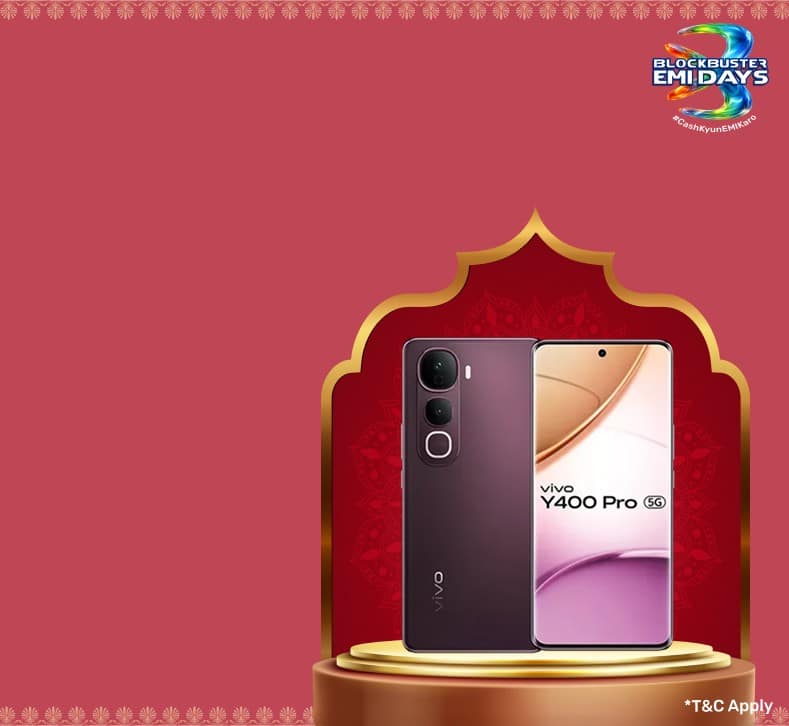
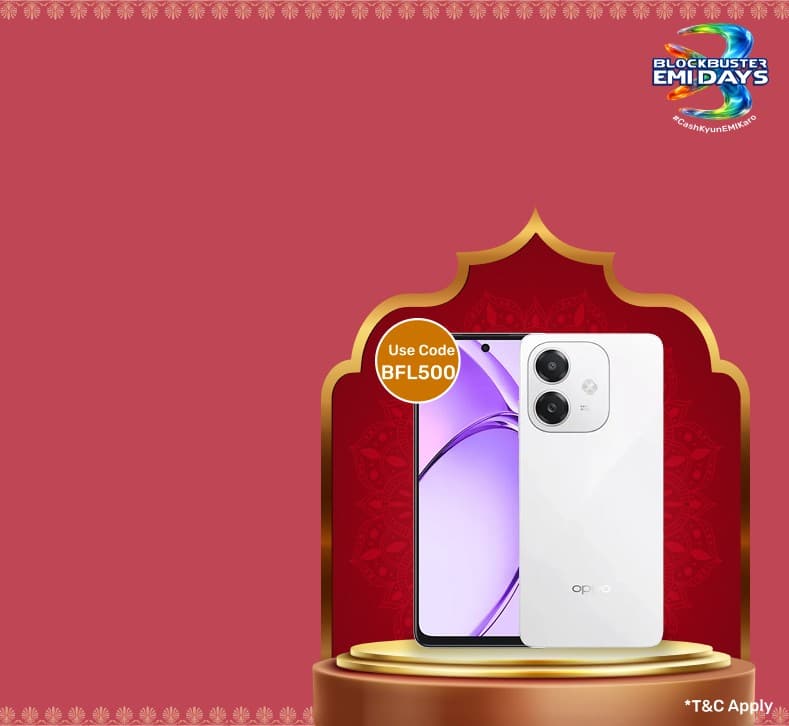
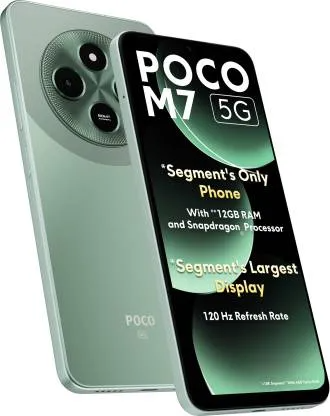
The MediaTek Helio G95 and Qualcomm Snapdragon 730G are both mid-range chipsets designed to offer balanced performance and efficiency for mobile devices. The Helio G95 was announced on 10 September 2020, while the Snapdragon 730G was unveiled on 4 September 2019. Both chipsets are popular among mid-range smartphones, providing a good mix of power and affordability.
General
MediaTek Helio G95 and Qualcomm Snapdragon 730G differ in launch generation, semiconductor process, modem integration, foundry technology, and target smartphone category. These specifications influence thermal characteristics, LTE throughput, battery efficiency during extended workloads, software optimisation, and compatibility with gaming, multimedia, and productivity-focused smartphones released between 2019 and 2022.
| Specification | MediaTek Helio G95 | Qualcomm Snapdragon 730G |
|---|
| Launch | September 2020 | September 2019 |
| Brand | MediaTek | Qualcomm |
| Model number | MT6785V/CD | SM7150-AB |
| Segment | Upper mid-range | Upper mid-range |
| Network | 4G LTE | 4G LTE |
| Manufacturing process | 12nm | 8nm LPP |
| Foundry | TSMC | Samsung |
| 64-bit support | Yes | Yes |
CPU
MediaTek Helio G95 integrates 8 CPU cores comprising 2x Cortex-A76@2.05GHz and 6x Cortex-A55@2.0GHz, enabling 4K30 video encoding, 64MP HDR image processing, Google Meet video conferencing, 15–20 Chrome tabs, and application switching between social media, document editing, and cloud storage. Snapdragon 730G combines 2x Kryo 470 Gold@2.2GHz with 6x Kryo 470 Silver@1.8GHz, improving burst-frequency workloads including application compilation, RAW image editing, PDF rendering, GPS navigation, and AI-assisted photography.
| Specification | MediaTek Helio G95 | Qualcomm Snapdragon 730G |
|---|
| CPU architecture | ARM Cortex-A76 / Cortex-A55 | Kryo 470 (Cortex-A76 / Cortex-A55) |
| CPU configuration | 2x Cortex-A76@2.05GHz + 6x Cortex-A55@2.0GHz | 2x Kryo 470 Gold@2.2GHz + 6x Kryo 470 Silver@1.8GHz |
| Total cores | 8 | 8 |
| Performance cores | 2x Cortex-A76@2.05GHz | 2x Kryo 470 Gold@2.2GHz |
| Efficiency cores | 6x Cortex-A55@2.0GHz | 6x Kryo 470 Silver@1.8GHz |
| Maximum clock | 2.05GHz | 2.2GHz |
| ISA | ARMv8-A | ARMv8-A |
| Process node | 12nm | 8nm |
| 64-bit | Yes | Yes |
Graphics
MediaTek Helio G95 uses the Mali-G76 MC4 GPU@900MHz based on the Bifrost architecture, while Qualcomm Snapdragon 730G integrates the Adreno 618 GPU with Qualcomm's custom graphics architecture. Both GPUs support Vulkan 1.1, OpenGL ES 3.2, hardware video acceleration, HDR rendering, and GPU-based image processing for workloads such as BGMI 60fps gameplay, Call of Duty Mobile High graphics, Asphalt 9 racing effects, 1080p HDR playback, and camera preview processing.
| Specification | MediaTek Helio G95 | Qualcomm Snapdragon 730G |
|---|
| GPU | Mali-G76 MC4 | Adreno 618 |
| GPU architecture | Bifrost | Qualcomm Adreno architecture |
| GPU clock speed | 900MHz | ~575MHz |
| GPU cores | 4 cores | Not officially disclosed |
| Vulkan support | Vulkan 1.1 | Vulkan 1.1 |
| OpenGL ES | OpenGL ES 3.2 | OpenGL ES 3.2 |
| OpenCL support | OpenCL 2.0 | OpenCL 2.0 |
| Gaming resolution | Up to 1080p gaming | Up to 1080p gaming |
| HDR gaming support | Yes | Yes |
| Video acceleration | H.264, H.265/HEVC hardware decoding | H.264, H.265/HEVC hardware decoding |
| AI graphics features | MediaTek HyperEngine gaming optimisation | Snapdragon Elite Gaming features |
Memory
MediaTek Helio G95 supports LPDDR4X memory up to 2133MHz, while Qualcomm Snapdragon 730G supports LPDDR4X memory up to 1866MHz. Memory bandwidth affects application loading, game asset streaming, camera processing pipelines, and multitasking workloads such as running BGMI, recording gameplay, switching between 15+ apps, and editing 64MP photographs.
| Specification | MediaTek Helio G95 | Qualcomm Snapdragon 730G |
|---|
| Memory type | LPDDR4X | LPDDR4X |
| Maximum memory frequency | 2133MHz | 1866MHz |
| Memory bus width | 2x 16-bit | 2x 16-bit |
| Maximum RAM support | Up to 8GB | Up to 8GB |
| Maximum memory bandwidth | ~17GB/s | ~14.9GB/s |
| ECC memory support | No | No |
| Storage interface | UFS 2.1 | UFS 2.1 |
Multimedia (ISP)
MediaTek Helio G95 integrates the MediaTek Imagiq ISP, supporting cameras up to 64MP, 4K30 video recording, multi-camera processing, and AI-assisted photography. Qualcomm Snapdragon 730G uses the Spectra 350 ISP, supporting up to 192MP snapshot capability, 32MP single-camera processing, and 4K30 HDR video capture. These ISP capabilities support workloads including night photography, HDR scenes, portrait processing, 4K video recording, and real-time camera filters.
| Specification | MediaTek Helio G95 | Qualcomm Snapdragon 730G |
|---|
| ISP | MediaTek Imagiq ISP | Qualcomm Spectra 350 ISP |
| ISP generation | Imagiq | Spectra 350 |
| Maximum camera resolution | 64MP | Up to 192MP snapshot |
| Dual camera support | 24MP + 16MP | 22MP + 22MP |
| Video recording | 4K@30fps | 4K@30fps |
| Slow motion video | 1080p@120fps | 1080p@120fps |
| HDR video support | Yes | Yes |
| Video codec support | H.264, H.265/HEVC | H.264, H.265/HEVC |
| Display resolution support | Full HD+ | Quad HD+ |
| Display refresh rate | 120Hz Full HD+ | 120Hz Full HD+ |
Connectivity and network
MediaTek Helio G95 integrates a 4G LTE modem supporting download speeds up to 600Mbps and upload speeds up to 150Mbps. Qualcomm Snapdragon 730G integrates the Snapdragon X15 LTE modem with download speeds up to 800Mbps and upload speeds up to 150Mbps. Connectivity hardware affects smartphone workloads such as 1080p video streaming, cloud backup of 64MP images, multiplayer gaming latency, GPS navigation, and Bluetooth audio streaming.
| Specification | MediaTek Helio G95 | Qualcomm Snapdragon 730G |
|---|
| Modem | Integrated 4G LTE modem | Snapdragon X15 LTE Modem |
| Network support | 4G LTE | 4G LTE |
| Maximum download speed | 600Mbps | 800Mbps |
| Maximum upload speed | 150Mbps | 150Mbps |
| Wi-Fi | Wi-Fi 5 (802.11ac) | Wi-Fi 6-ready (802.11ax via FastConnect 6200) |
| Bluetooth | Bluetooth 5.0 | Bluetooth 5.0 |
| GNSS | GPS, Glonass, Beidou, Galileo | GPS, Glonass, Beidou, Galileo |
| Navigation support | Dual-frequency GNSS | Dual-frequency GNSS |