








Clear your overdue EMI
Clear your overdue EMI today – stop penalties & fix your credit
*Overdue charges include penalty interest and bounce fees as applicable. T&C apply.
In Summary
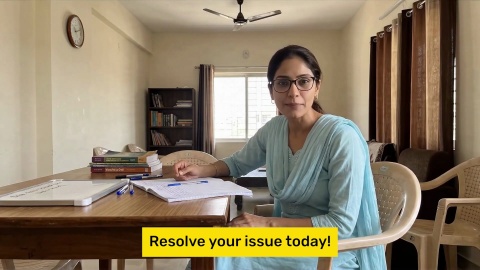
Legal Actions: Loan Notice Guide
A loan default legal notice isn't a court judgment, but it isn't something to set aside either, it's a formal signal that your account needs attention, and how you respond within the stated timeline shapes what happens next far more than the notice itself does.
- Ignoring the notice doesn't stop the process, it just removes your input from it. The matter can continue to progress through the applicable recovery or legal process regardless of whether you respond
- Paying one overdue EMI doesn't necessarily clear everything the notice mentions. Check exactly what's outstanding against your own loan records before assuming a single payment resolves the whole matter
- The type of notice tells you what stage you're actually at. A payment demand notice is a different situation from a cheque dishonour notice under Section 138, or a notice about enforcing security on a secured loan, read carefully rather than assuming the worst from the tone alone
- A legal notice by itself doesn't automatically damage your credit score. It's the underlying overdue account and how it gets reported that affects your credit history, not the notice as a standalone event
If you've received a legal notice, verify it through an official Bajaj Finance channel, compare the amount claimed against your own loan records, and respond within the stated timeline, and if the matter involves court proceedings or a claim you dispute, get legal advice before doing anything else.
Why you must never ignore a loan default legal notice
Ignoring a loan default legal notice can delay your response and may allow the matter to progress through the applicable recovery or legal process. A legal notice generally communicates the lender's concern about the outstanding dues and explains the action expected from the borrower. Read it carefully to understand the amount claimed, the reason for the notice, the payment requirements, and any specified response period.
If the outstanding amount is correct, addressing the dues promptly can help prevent the situation from progressing further. If you believe the amount, account details, or allegations are incorrect, you should review the supporting records and raise the issue through the appropriate channel. Where the notice involves legal proceedings, or you are unsure about your rights or obligations, consider seeking advice from a qualified legal professional. Responding within the applicable timeline helps you understand your options and take appropriate action based on your circumstances.
How responding and paying overdue can resolve the situation
Responding to a loan default legal notice and addressing overdue amounts promptly can help you understand the outstanding liability and available repayment options. Reviewing the notice carefully and taking appropriate action can help prevent the matter from progressing unnecessarily.
- Review the notice: Check the loan account details, outstanding amount, reason for default, and response timeline mentioned in the notice
- Verify the overdue amount: Compare the amount stated in the notice with your loan records and recent payment receipts to identify any discrepancy
- Contact the lender: Use the lender's authorised service channels to understand the current outstanding amount and available repayment options
- Pay the overdue amount: If the dues are valid and you are able to pay, make the required payment through an authorised payment channel
- Respond to discrepancies: If you believe the amount or information is incorrect, raise the issue with the lender and provide relevant supporting documents
- Keep payment records: Retain payment confirmations, receipts, and communication related to your response for future reference
Taking timely action can help you address the default and understand the next steps. Where legal proceedings have already started, or you are unsure about your legal position, consider seeking advice from a qualified legal professional.
What types of legal notices can Bajaj Finance send for default?
The type of legal notice Bajaj Finance issues may depend on the nature of the loan, the repayment default, and the stage of the recovery process. A notice generally communicates the outstanding dues, relevant account details, and the action expected from the borrower.
- Payment demand notice: A notice may request payment of overdue amounts and communicate the outstanding dues that require attention
- Loan default notice: This may inform the borrower that the loan account is in default and explain the repayment action required under the applicable loan terms
- Cheque dishonour notice: Where a cheque issued towards repayment is dishonoured and the statutory conditions are met, a demand notice may be issued under Section 138 of the Negotiable Instruments Act, 1881
- Legal recovery notice: A notice may communicate that further recovery or legal action could be considered if the outstanding dues remain unpaid, subject to the applicable terms and law
- Notice relating to secured loans: For certain secured loans, the lender may issue notices about enforcing security interests when applicable legal requirements are met
The contents and legal effect of a notice depend on the loan agreement, facts of the default, and applicable law. Borrowers should review the notice carefully and respond within the stated or applicable timeline.
What are the financial consequences of continued loan default?
Continued loan default can increase the amount requiring attention because unpaid dues may remain outstanding and applicable charges may arise under the loan terms.
| Consequence | What it means |
|---|---|
| Unpaid EMI | A missed EMI remains outstanding until you receive the required payment |
| Applicable charges | Charges may apply according to the loan agreement and applicable policy |
| Credit history impact | Reported repayment delays can affect the borrower's credit information and future credit assessment |
| Further overdue status | Continued non-payment can keep the account overdue and move it further through the applicable recovery process |
| Legal costs or liabilities | Where legal proceedings are initiated, additional costs or liabilities may arise depending on the proceedings and applicable law |
A borrower should not assume that paying one overdue EMI automatically resolves every amount mentioned in a notice. Check the loan account, notice, and applicable payment details to identify what remains outstanding.
What legal action can follow continued financial default?
Continued financial default may lead to different recovery or legal actions depending on the type of loan, security involved, contractual terms, and applicable law. The specific process can vary, so borrowers should review any legal notice carefully and understand what action is being requested.
- Cheque dishonour proceedings: A cheque issued towards a legally enforceable debt may attract Section 138 of the Negotiable Instruments Act, 1881, when the statutory conditions relating to dishonour, demand notice and payment are satisfied
- Contractual recovery measures: For other loan defaults, the lender may take recovery measures under the loan agreement and applicable legal requirements
- Court or tribunal proceedings: Depending on the nature of the loan and circumstances, the matter may be taken before an appropriate court or tribunal for recovery or other available remedies
- Security-related action: Where a loan is secured, applicable laws may provide remedies concerning the underlying security, subject to the prescribed legal requirements
- Review the legal notice: Borrowers should check the loan account or reference number, the amount claimed, the reason for default, the requested action, the response timeline, and the contact details provided in the notice
The legal effect of a notice depends on its contents and the circumstances of the loan account. A legal notice is not a court judgment, but it should not be ignored. Responding within the applicable timeframe can help borrowers understand the claim and take appropriate action.
How does ignoring a legal notice affect CIBIL and credit history?
Ignoring a legal notice does not, by itself, create a separate or guaranteed CIBIL score event. However, continued loan default can affect credit information when the credit institution reports the borrower's repayment performance to credit information companies. The underlying overdue account, payment history, and lender-reported information are therefore relevant to the borrower's credit history.
Under RBI's current reporting framework, effective from 1 July 2026, credit institutions report credit information on four reference dates each month, the 9th, 16th, 23rd, and the last day of the month. Incremental updates covering new, closed, or changed accounts must reach the credit bureau within four calendar days of each of these dates, with a full file due by the 5th of the following month. This allows repayment information, including the impact of continued default, to be updated considerably faster than under the earlier fortnightly framework.
Borrowers should therefore address overdue accounts promptly and review their credit information for accuracy. If an entry appears incorrect, the borrower can raise a dispute through the applicable credit information company's dispute resolution process. Taking timely action can help identify and address inaccurate reporting, rather than letting an unresolved issue continue.
Not your nearest branch?

Frequently Asked Questions
Legal Notice Basics
Responding & Resolving
How should I verify whether a loan default legal notice is genuine?
Check the lender name, loan account details, notice date, outstanding amount, authorised contact details, and supporting information. If you have concerns about authenticity, verify the communication through an official Bajaj Finance service channel before making any payment.
What should I do if the amount mentioned in the legal notice is incorrect?
Compare the amount with your loan records, payment receipts, and account statements. If you identify a discrepancy, contact Bajaj Finance through an authorised service channel and provide relevant documents to request clarification or correction.
What happens if I cannot pay the full overdue amount immediately?
If you cannot pay the full amount immediately, contact Bajaj Finance through an authorised channel to understand the available repayment options for your loan account. Do not ignore the notice, as continued non-payment may result in further recovery action.
Does receiving a legal notice mean that court proceedings have started?
Receiving a legal notice does not necessarily mean that court proceedings have already started. The notice may communicate outstanding dues or proposed action. Check its contents carefully to understand the current status and any response or payment requirement.
What records should I keep after responding to a legal notice?
Keep a copy of the legal notice, your response, payment receipts, bank statements, and relevant communication with the lender. Maintaining these records helps you track the matter and provide supporting information if any dispute or further proceedings arise.
What should I do if I have already paid the overdue amount?
Keep proof of the payment and verify whether the payment has been reflected against the relevant loan account. If the notice was issued before payment, contact the lender through an authorised channel and share the transaction details for clarification.
Does a legal notice affect future loan eligibility?
A legal notice itself should not be treated as a separate guaranteed factor determining future loan eligibility. Lenders may consider credit information, repayment history, outstanding obligations and other applicable assessment factors when evaluating a future credit application.
When should I seek legal advice after receiving a loan default notice?
Consider seeking advice from a qualified legal professional if the notice involves court proceedings, disputed liability, complex legal claims or matters you do not understand. Professional advice can help you assess the notice and respond within applicable timelines.
More Articles


Disclaimer
While care is taken to update the information, products, and services included in or available on our website and related platforms/websites, there may be inadvertent inaccuracies or typographical errors or delays in updating the information. The material contained in this site, and on associated web pages, is for reference and general information purpose and the details mentioned in the respective product/service document shall prevail in case of any inconsistency. Subscribers and users should seek professional advice before acting on the basis of the information contained herein. Please take an informed decision with respect to any product or service after going through the relevant product/service document and applicable terms and conditions. In case any inconsistencies observed, please click on reach us.
*Terms and conditions apply.