





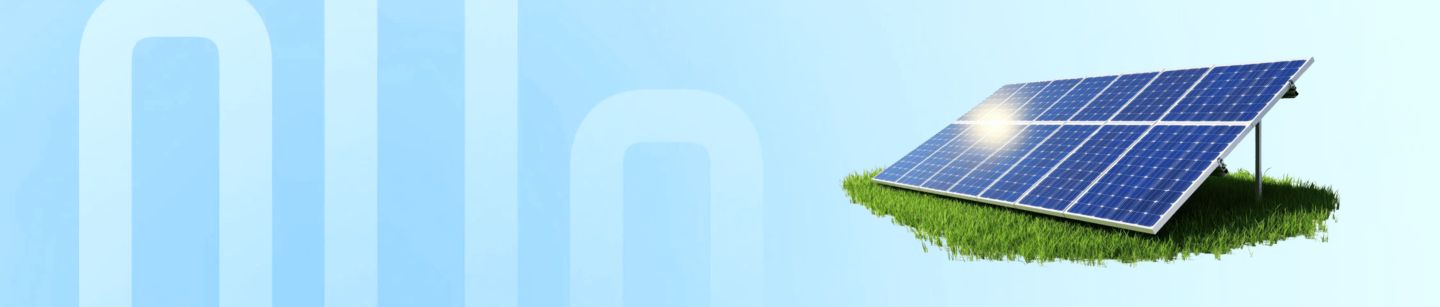
Solar panel cleaning is important because dust, pollen, bird droppings, and air pollution settle on the glass surface over time, blocking sunlight and reducing electricity generation. Even a thin layer of dust can lower output by 5 to 20 percent, directly affecting your monthly savings and the system's payback period. Regular cleaning keeps panels operating at peak efficiency, protects your investment, and ensures you get the full benefit of the system's rated capacity throughout its 25-year lifespan.

FAQs
Get a pre-approved loan offer of up to Rs. 5 lakh
Quick approval | Flexible Tenure Options | Zero Approval Fees
Why is solar panel cleaning important?
What tools do you need to clean solar panels?
Cleaning solar panels safely requires only a few basic tools, most of which are already available at home. Avoid anything abrasive that could scratch the glass surface.
- Soft brush or sponge: A soft-bristled brush or a microfibre sponge removes loose dust and debris without scratching the anti-reflective coating on the glass.
- Clean water: Plain, filtered water is sufficient for most cleaning, since it dissolves dust and dirt without leaving streaks or chemical residue on the surface.
- Squeegee or wiper: A rubber squeegee helps remove excess water cleanly after washing, preventing water spots that can slightly reduce light transmission.
- Extendable pole or ladder: For elevated or hard-to-reach panels, a telescopic pole with an attached brush allows safe cleaning from ground level.
- Soft cloth: A clean, lint-free cloth is useful for a final wipe-down on smaller residential systems where panels are easily accessible.
How do you clean solar panels step by step?
Cleaning your solar panels correctly takes only a few simple steps, but following the right order helps avoid damage and ensures a thorough clean.
- Switch off the system: Turn off the inverter or disconnect the system before cleaning, as a precaution against electrical hazards while water is being used near the panels.
- Remove loose debris first: Use a soft brush to gently sweep away leaves, dust, and bird droppings before applying any water, so you are not just smearing dirt around the surface.
- Rinse with clean water: Wash the panel surface with plain water to loosen and remove remaining dust and grime, working from the top of the panel downward.
- Wipe with a soft sponge: Gently wipe the glass surface with a soft sponge or microfibre cloth, applying minimal pressure to avoid scratching the coating.
- Remove excess water: Use a squeegee or soft cloth to wipe away remaining water and prevent streaking or spotting as the panel dries.
- Switch the system back on: Once the panels are fully dry, reconnect the inverter and confirm the system is generating normally before leaving it unattended.
When is the best time to clean solar panels?
Timing your cleaning correctly protects both the panels and your own safety, since panel surfaces can become extremely hot under direct sunlight.
- Early morning or evening: Clean panels either early in the morning before they heat up or in the evening once they have cooled down, as this is safest for both the glass and the cleaner.
- Avoid peak sunlight hours: Never clean panels during the hottest part of the day, since applying water to a hot surface can cause thermal stress and create micro-cracks in the glass over time.
- Clean every one to two months: Most households need to clean panels once every one to two months, though homes in dusty or high-pollution areas may need more frequent attention.
- After heavy dust storms or pollen season: Schedule an additional cleaning after major dust storms, construction activity nearby, or seasonal pollen shedding, since these events deposit unusually heavy residue.
What should you avoid while cleaning solar panels?
A few common mistakes can damage panels or reduce their efficiency over time, so it helps to know what not to do before you begin cleaning.
- Avoid abrasive materials: Do not use scouring pads, hard brushes, or abrasive sponges, as these can scratch the anti-reflective coating and permanently reduce light transmission.
- Avoid harsh chemicals: Skip detergents, solvents, or strong cleaning agents, since these can leave residue or damage the glass coating over repeated use.
- Avoid cold water on hot panels: Never spray cold water directly onto a panel that has been heating in direct sunlight, as the sudden temperature change can crack the glass.
- Avoid walking on panels: Do not step directly on panels while cleaning, as this can crack cells or damage the mounting structure underneath.
- Avoid pressure washers: High-pressure water jets can force moisture into the junction box or seals, leading to electrical faults or reduced panel lifespan.
Additional tips to improve solar panel performance and lifespan
Beyond regular cleaning, a few additional habits help keep your solar system running at peak performance for its full operational life.
- Monitor inverter output daily: Check your inverter's display for unusual drops in generation, which is often the earliest sign of a panel, wiring, or connection issue.
- Schedule an annual professional inspection: Have a qualified technician check mounting hardware, wiring, earthing, and inverter performance once a year to catch issues before they affect output.
- Keep panels shadow-free: Periodically check for new shading sources, such as growing tree branches or nearby construction, since even partial shading can disproportionately reduce output.
- Check for loose connections: Inspect cables and junction boxes for wear or corrosion periodically, as loose connections can pose both a performance and safety risk.
Save more with Smart Savings Calculator
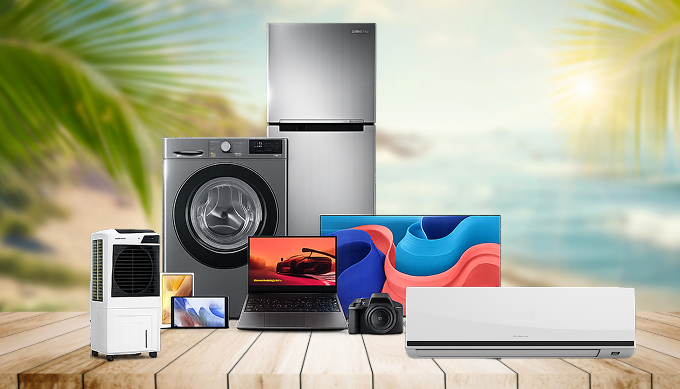
Get electronics and appliances on Easy EMIs with Bajaj Finance
Upgrading your home with the latest electronics and appliances is now easier and more affordable with Bajaj Finance’s flexible financing options. Follow these steps to get started:
- Explore products on Bajaj Mall: Browse a wide range of electronics and appliances from trusted brands on Bajaj Mall. Compare features like energy ratings, storage capacity, performance settings, and design to choose the right product for your home.
- Visit a partner store: Once you shortlist a model, step into any of Bajaj Finance’s 1.5 lakh partner stores across 4,000 cities in India. See the product in person, talk to experts, and make a confident decision.
- Choose the Easy EMI Loan option: At checkout, select the Bajaj Finance Easy EMI Loan. Avail financing of up to Rs. 5 lakh and split the cost into convenient monthly instalments. Some products also come with a zero down payment option.
- Check your loan eligibility online: Plan better by checking your loan eligibility in minutes. Simply enter your mobile number and OTP to know your pre-approved limit.
- Use the Insta EMI Card for purchases up to Rs. 3 lakh: Already own the Bajaj Finance Insta EMI Card? Use it for instant, paperless checkout and convert your purchases of up to Rs. 3 lakh into Easy EMIs.
Frequently asked questions
General
How do I clean solar panels safely at home?
Clean solar panels safely by switching off the system first, then using a soft brush to remove loose debris, rinsing with plain water, and wiping gently with a soft sponge. Avoid abrasive tools and clean during early morning or evening hours when the panel surface is cool.
Can I use soap and water to clean solar panels?
Plain water is generally sufficient for most cleaning needs, but a small amount of mild, non-abrasive soap can be used for stubborn grime. Always rinse thoroughly afterwards to avoid leaving residue, and never use strong detergents or chemical cleaners on the glass surface.
How often should solar panels be cleaned?
Most households should clean their solar panels once every one to two months, though this depends on local dust and pollution levels. Homes in heavily polluted or dusty areas may need monthly cleaning, while those in cleaner environments can clean less frequently.
Do solar panels need professional cleaning?
Routine cleaning can usually be done at home using basic tools, but professional cleaning is recommended for large systems, elevated or hard-to-reach panels, or annual deep cleaning combined with a technical inspection. Professionals also check for wiring and structural issues during the visit.
Can dirty solar panels reduce energy production?
Yes, a layer of dust, pollen, or pollution on the panel surface can block sunlight and reduce energy production by 5 to 20 percent depending on accumulation levels. Regular cleaning helps maintain peak output and protects the system's overall efficiency and payback period.
More articles
Solar Finance Schemes
Disclaimer
While care is taken to update the information, products, and services included in or available on our website and related platforms/websites, there may be inadvertent inaccuracies or typographical errors or delays in updating the information. The material contained in this site, and on associated web pages, is for reference and general information purpose and the details mentioned in the respective product/service document shall prevail in case of any inconsistency. Subscribers and users should seek professional advice before acting on the basis of the information contained herein. Please take an informed decision with respect to any product or service after going through the relevant product/service document and applicable terms and conditions. In case any inconsistencies observed, please click on reach us.
*Terms and conditions apply