








Rs. 2 lakh – Rs. 30 crore
Check your pre-approved medical equipment loan
Enter mobile and OTP | Check offer | Know your exact loan terms
In summary

Autoclave Machine — Sterilisation Kaise Hoti Hai
An autoclave helps healthcare facilities sterilise reusable instruments and equipment using pressurised steam.
- Autoclaves use steam, pressure and controlled temperature for sterilisation
- They are used in hospitals, clinics, laboratories and dental practices
- Available types include gravity displacement, pre-vacuum and tabletop autoclaves
- Prices vary based on capacity, automation, features and brand
- Smaller tabletop models can cost significantly less than large hospital-grade systems
- Medical Equipment Finance can help eligible applicants fund the purchase
- Bajaj Finance offers Medical Equipment Finance from Rs. 2 lakh to Rs. 30 crore
- Financing of up to 100% of equipment value may be available, subject to applicable terms
- Repayment tenures can range from 3 months to 120 months
Before purchasing an autoclave, compare its chamber capacity, sterilisation cycle, energy requirements, safety features, maintenance requirements and total cost of ownership.
Last updated: September 2026
What is an autoclave machine?
-
An autoclave is a sterilisation machine that uses pressurised saturated steam to destroy microorganisms on suitable instruments and materials.
During a typical cycle, the autoclave removes or displaces air from the chamber, introduces steam and maintains the required temperature and pressure for a specified period. The equipment then completes the sterilisation and drying stages, depending on the model and selected cycle. Autoclaves are widely used for sterilising reusable surgical instruments, laboratory glassware and other items that can safely withstand the required temperature and moisture conditions.
What is an autoclave used for?
Autoclaves are used across several healthcare and laboratory environments.
| Application | How an autoclave may help |
|---|---|
| Hospitals | Sterilise suitable reusable surgical and medical instruments |
| Clinics | Support sterilisation of reusable instruments |
| Dental practices | Sterilise appropriate dental instruments |
| Laboratories | Sterilise suitable laboratory equipment and materials |
| Diagnostic centres | Support sterilisation requirements for applicable equipment |
| Research facilities | Sterilise suitable laboratory materials and equipment |
The materials placed inside an autoclave must be compatible with steam sterilisation. Healthcare facilities should follow the manufacturer's instructions and applicable infection-control protocols.
How much does an autoclave cost in India?
The cost of an autoclave in India varies significantly depending on its capacity, type, automation, pressure rating, chamber design, brand and additional features.
Smaller tabletop autoclaves may cost considerably less than large-capacity hospital or laboratory systems. Larger automated models with advanced controls, drying systems and monitoring features can have a substantially higher purchase price.
| Autoclave Type | Price Range (INR) |
| Cooker Type / Portable Autoclave | Rs. 5,500 to Rs. 55,000 |
| Vertical Autoclave Machine | Rs. 7,000 to Rs. 2,55,000 |
| Tabletop / Benchtop Autoclave | Rs. 9,500 to Rs. 5,50,000+ |
| Horizontal Autoclave | Rs. 20,000 to over Rs. 10,00,000 |
| Class B Autoclave (Advanced) | Rs. 70,000 to over Rs. 5,00,000 |
The actual price should be confirmed with the manufacturer or authorised supplier because specifications and included accessories can significantly affect the quotation.
What factors affect the price of an autoclave?
Several factors can influence the purchase price.
1. Chamber capacity
A larger chamber generally allows more instruments or materials to be processed in each cycle and may require a higher investment.
2. Type of autoclave
Tabletop, vertical, horizontal, gravity displacement and pre-vacuum systems can have different prices depending on their design and capabilities.
3. Automation
Automatic systems with programmable cycles, digital controls and monitoring functions may cost more than basic manually operated equipment.
4. Operating pressure and temperature
The equipment's operating specifications and available sterilisation cycles can influence its design and price.
5. Drying system
Some autoclaves include post-cycle drying capabilities, which can add to the equipment's functionality and cost.
6. Safety features
Door-locking mechanisms, pressure monitoring, temperature controls, alarms and other safety features can influence the overall price.
7. Brand and service support
Manufacturer reputation, warranty, AMC and availability of technical support can affect the total cost of ownership.
How can medical equipment finance help fund an autoclave?
An autoclave is an essential equipment investment for many healthcare facilities. Purchasing one may require an upfront payment, particularly when a large-capacity or automated system is selected. Medical equipment finance can help eligible doctors and non-doctor promoters of healthcare facilities finance the purchase of qualifying medical equipment. Bajaj Finance offers medical equipment finance from Rs. 2 lakh to Rs. 30 crore, with repayment tenures ranging from 3 months to 120 months.
For example, if a hospital needs to purchase an autoclave costing Rs. 5 lakh, an eligible applicant may get a medical equipment finance by Bajaj Finance rather than paying the entire financed amount upfront. The actual loan amount, applicable interest rate, tenure and repayment structure depend on the approved offer and applicable assessment.
Get professional loan for your needs
Personal loan for doctors for wedding
Get doctor loan for for wedding

Chartered accountant loan
Get CA loan with minimal documents
CA loan for setting practice
Get CA loan for setting up your practice
CA loan for office renovation
Get CA loan for renovating office

Business loan for lawyer
Get business loan for lawyer today

Business loan for CA
Get business loan for CA today
Medical equipment finance for diagnostic centre
Setup diagnostic centre with medical equipment finance

Personal loan for lawyer
Get a personal loan for lawyer

Personal loan for doctors for wedding
Get a personal loan for wedding

Personal loan for doctors
Get a personal loan for doctor

Personal loan for CA
Get a personal loan for CA
Medical equipment finance
Get a medical equipment finance

Lawyer loan to start firm
Get a lawyer loan to start firm

Lawyer loan for Chamber
Get a lawyer loan for Chamber

Lawyer loan
Get a lawyer loan
Hospital loan
Get a hospital loan

Doctor loan for setting up practice
Get a doctor loan for setting up practice
Doctor loan for clinic renovation
Get a doctor loan for clinic renovation

Doctor loan
Get a doctor loan
Our loan variants
Use our popular calculators



Types of medical equipment loan

Business loan for doctors

Business loan for chartered accountants

Set up a diagnostic centre with medical equipment finance

How to start a law firm in India

Doctor loan for clinic renovation
Frequently asked questions
Overview
What is the use of an autoclave machine?
An autoclave machine is primarily used for sterilization in medical and laboratory settings. Its high-pressure and high-temperature environment effectively eliminates bacteria, viruses, and other microorganisms from instruments and equipment, ensuring aseptic conditions for medical procedures and experiments.
What is the principle of autoclave?
The fundamental principle of an autoclave revolves around steam sterilisation. By leveraging high-pressure saturated steam at a temperature of around 121 degrees Celsius or more, an autoclave efficiently kills bacteria, viruses, fungi, and spores. The procedure typically lasts around 15 to 20 minutes, depending on the volume and the nature of the material. This courtesy of the moist heat produced, which coagulates the proteins, causing the microorganisms to perish.
What are the advantages of autoclave?
The autoclave exhibits a range of advantages, particularly in healthcare settings. Its ability to thoroughly sterilise equipment and materials is notably essential in preventing the spread of infections in medical environments. This equipment can sterilise a wide variety of heat-resistant items, covering everything from surgical instruments to glassware. Also, the use of an autoclave is quite straightforward and doesn't necessitate any intricate training. The autoclave also provides thorough sterilisation without the use of harmful chemicals that could remain on the sterilised items and potentially cause harm. Lastly, the rapid and effective nature of autoclaves combined with their relative affordability makes them an excellent tool for many fields, especially those related to healthcare and laboratory work.
What are the common troubleshooting steps for an autoclave?
Common troubleshooting steps for an autoclave include:
- Check power supply: Ensure the autoclave is properly plugged in and receiving power.
- Inspect door seal: Look for cracks or damage in the gasket, which can cause steam leaks.
- Verify water levels: Ensure the water reservoir is filled to the appropriate level.
- Monitor temperature and pressure gauges: Confirm they reach the required levels for sterilisation.
- Clean filters and chambers: Regularly clean to prevent blockages.
- Reset the machine: If issues persist, try resetting the autoclave according to the manufacturer's instructions.
What does an autoclave machine do?
An autoclave machine sterilises medical and laboratory equipment using high-pressure steam. It eliminates bacteria, viruses, fungi, and spores by heating items to 121°C–134°C inside a sealed chamber. Commonly used in hospitals and labs, it ensures tools are safe for reuse and maintains hygiene in clinical environments.
How much does an autoclave machine cost in India?
Autoclave machine prices in India vary based on capacity, type, automation, brand and features. Smaller tabletop models may cost a few lakh rupees, while larger automated hospital-grade systems can cost significantly more. Installation, accessories, warranty and service may also affect the final price.
Who should buy an autoclave machine for their clinic or hospital?
Clinics, hospitals, dental practices, diagnostic centres and laboratories that regularly use reusable, heat- and moisture-resistant instruments should consider an autoclave. It can support routine sterilisation requirements, particularly where facilities handle frequent procedures and need reliable, on-site sterilisation capacity.
What do our customers say about us
Dr. Rohan Mehta
Reviewed on
I applied for a doctor loan to upgrade my clinic infrastructure, and the experience was excellent. The application process was simple, the documentation was minimal, and the approval came through quickly. The team guided me throughout the process and ensured a seamless experience. I would highly recommend this financing option to medical professionals looking for reliable funding support.
Dr. Priya Sharma
Reviewed on
The doctor loan helped me manage my professional expenses without any financial stress. The loan disbursal was fast, and the customer support team was always available to answer my questions. The repayment options were flexible and suited my financial requirements perfectly. Overall, I am very satisfied with the service and support provided.
Dr. Arvind Nair
Reviewed on
I availed a doctor loan to purchase advanced medical equipment for my practice. The entire process was smooth, transparent, and completed within a short time. The competitive interest rates and hassle-free documentation made the experience even better. The support team remained helpful at every stage, making the loan journey convenient and stress-free.
Dr. Neha Kapoor
Reviewed on
I needed financial assistance to expand my healthcare practice, and this doctor loan proved to be the right solution. The approval process was quick, and the team provided clear guidance from application to disbursal. The flexible repayment tenure helped me plan my finances effectively. I am pleased with the overall experience and would recommend it to fellow doctors.
More articles
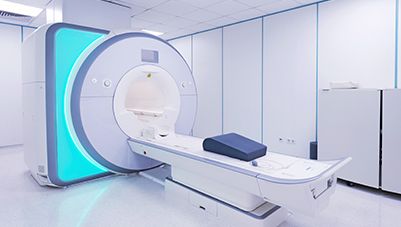
CT Scan Machine: Complete Guide to Types, Uses, and Price in India (2026)
Read More

Ventilator Machine: Types, Price, Financing Options, and Critical Care
Read More

How to download your medical equipment Loan account statement
Read More

Things to keep in mind when applying for Medical Equipment Loan
Read More
Disclaimer
Bajaj Finance Limited has the sole and absolute discretion, without assigning any reason to accept or reject any application. Terms and conditions apply*.