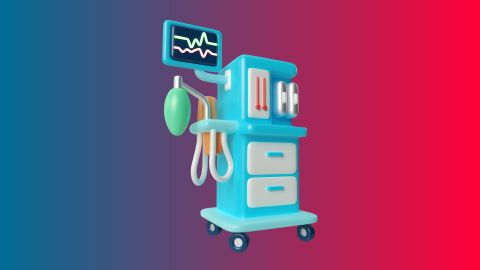
Dialysis machines are a life-saving medical device used in the treatment of kidney failure. The machine works by purifying the blood of a patient who does not have functioning kidneys. Dialysis machines can be expensive, but there are options for financing available. In this article, we will explore everything you need to know about dialysis machines, including their working process, use, parts, pricing, and where to buy.
What is a dialysis machine?
A dialysis machine is a medical device designed to remove excess fluids and waste products from the blood of a person with kidney failure. These machines use a process called haemodialysis to remove waste from the blood and restore its balance of minerals and electrolytes.
How does a haemodialysis machine work?
The dialysis machine prepares, delivers, and continuously monitors the dialysate—the special fluid that removes waste products, excess fluids, and toxins from the blood. It also helps maintain the body's electrolyte and mineral balance. During treatment, the machine carefully regulates and monitors blood flow as it circulates outside the body. The machine may occasionally sound an alarm to alert the healthcare team if any parameter requires attention or adjustment, ensuring the dialysis session remains safe and effective.
Types of dialysis machines
Dialysis machines are essential for patients with kidney failure as they remove waste products, excess fluids, and help maintain electrolyte balance. Understanding the types of dialysis machines helps patients and caregivers choose the most suitable treatment option.
- Hemodialysis machines: These are the most common types of dialysis machines. They filter blood through an external dialyser before returning the cleaned blood to the body. They are widely used in hospitals, dialysis centres, and specialised kidney care clinics.
- Peritoneal dialysis machines: These machines use the lining of the abdomen (peritoneum) as a natural filter to remove waste. They are often suitable for home use, with portable automated systems available for overnight treatment.
Patients can choose between in-clinic and home-based dialysis depending on their medical condition, lifestyle, and their nephrologist's recommendation, offering greater convenience and treatment flexibility.
Safety features of dialysis machines
A dialysis machine works like an artificial kidney and is equipped with several safety mechanisms to ensure safe treatment:
- Air bubble detection: Prevents air from entering the bloodstream.
- Leakage monitoring: Identifies any blood leakage within the system.
- Blood pressure control: Maintains safe pressure levels inside the machine.
- Dialysate temperature check: Ensures the fluid is not too hot or cold for the blood.
- Dialysate quality check: Monitors conductivity to confirm the dialysate mixture is accurate.
Use of dialysis machines
- Chronic Kidney Disease (CKD): Supports long-term treatment for individuals with advanced kidney disease by removing waste products, excess fluids, and maintaining the body's chemical balance.
- Acute Kidney Injury (AKI): Provides temporary kidney support for patients experiencing sudden loss of kidney function due to severe illness, infection, injury, or surgery.
- End-Stage Renal Disease (ESRD): Performs the vital filtration functions of permanently damaged kidneys, helping sustain patients who require regular dialysis.
- Fluid and Electrolyte Management: Helps regulate excess fluid and maintain healthy electrolyte levels, including potassium, sodium, and calcium.
- Removal of Waste and Toxins: Eliminates harmful substances such as urea and creatinine that accumulate when the kidneys are unable to filter blood effectively.
- Home Dialysis Therapy: Enables eligible patients to receive dialysis at home, offering greater convenience, flexibility, and independence in managing treatment.
- Peritoneal Dialysis (PD): Uses the abdominal lining as a natural filter, providing a suitable alternative for patients who may not be candidates for haemodialysis.
- Support Before Kidney Transplant: May be used before transplant surgery to stabilise patients by removing excess fluid and metabolic waste.
- Enhanced Quality of Life: Helps relieve symptoms such as fatigue, swelling, nausea, and breathlessness, enabling patients to maintain better overall health and daily activities.
Parts of a dialysis machine
- Dialyzer (Artificial Kidney):
The dialyzer is one of the most important components of a dialysis machine. It contains thousands of fine hollow fibres that function as a filter. Blood passes through these fibres while the dialysate flows around them. A semipermeable membrane enables the removal of waste products, excess fluids, and toxins while maintaining the body's electrolyte balance. - Blood Pump:
The blood pump circulates blood through the dialysis machine during treatment. It withdraws blood from the patient's body, directs it to the dialyzer for purification, and returns the filtered blood back to the bloodstream. The pump maintains a controlled blood flow rate to ensure efficient and safe dialysis. - Dialysate Delivery System:
This system prepares and supplies the dialysate to the dialyzer. It mixes purified water with the required electrolytes and other components to create a solution that closely matches the body's natural chemistry. The dialysate flows in the opposite direction to the blood, improving the removal of waste products and excess fluid. - Monitoring System:
The monitoring system continuously checks key treatment parameters, including blood flow, pressure, temperature, and dialysate quality. It helps ensure the dialysis session is safe and effective by detecting abnormalities in real time and alerting healthcare professionals whenever corrective action is needed.
Advantages of dialysis machine
Dialysis supports patients with kidney failure by performing essential functions that the kidneys are no longer able to carry out:
- It removes harmful waste products such as urea and creatinine, which accumulate in the blood when kidney function is impaired.
- It helps eliminate excess fluid from the body, preventing fluid overload that may lead to swelling, high blood pressure, or heart complications.
- By regulating fluid levels and electrolyte balance, dialysis helps maintain stable and healthy blood pressure.
- It restores and maintains appropriate levels of key electrolytes such as potassium, calcium, and sodium, which are essential for normal heart and muscle function.
Dialysis machine prices
| Machine category | Approximate price range (Rs.) |
| Advanced haemodialysis machines | Rs. 8,00,000 – Rs. 15,00,000+ |
| Standard haemodialysis machines | Rs. 5,00,000 – Rs. 8,00,000 |
| High-end imported models | Rs. 15,00,000 – Rs. 25,00,000+ |
| Refurbished/Second-hand machines | Rs. 1,00,000 – Rs. 3,50,000 |
For patients with severe cardiac complications undergoing dialysis, incorporating a support device like a balloon pump can improve haemodynamic stability during treatment.
Safety precautions for dialysis machines
Maintaining proper hygiene is essential, particularly around the dialysis access site, such as a fistula or catheter, to minimise the risk of infection. Sterile procedures should always be followed during dialysis sessions. Regular monitoring of blood pressure, fluid status, and vital signs helps identify complications such as fluid overload, hypotension, or electrolyte imbalances. Scheduled follow-up visits with healthcare professionals are important to evaluate treatment effectiveness, detect infections early, monitor overall health, and make any necessary adjustments to the dialysis regimen.
Limitations of dialysis
- Patients usually require dialysis around three times a week, which can be time-consuming and may disrupt daily life
- Common side effects include muscle cramps, nausea, and low blood pressure, which may occur during or after treatment
- Patients are often required to restrict fluids, salt, potassium, and phosphorus intake, which can be challenging to maintain
- Regular dialysis involves significant lifestyle adjustments, including frequent travel to dialysis centres and time commitments away from work and personal activities
Future of dialysis technology
Modern dialysers provide improved filtration, helping to reduce treatment time while enhancing the removal of waste products. Advanced automated systems continuously monitor and adjust treatment parameters in real time, improving both safety and efficiency. Home dialysis machines enable patients to carry out treatment in their own homes, offering greater flexibility and independence.
Financing options for buying dialysis machines
Business owners who consider investing in a dialysis machine need financing. Financing options such as loans, including a professional loan, are readily available from Bajaj Finance Medical Equipment Finance. It provides healthcare providers with the financial support they need to invest in state-of-the-art medical devices and equipment. Business owners can take advantage of these options to invest in dialysis machines and enjoy the benefits that come with owning one.
Conclusion
Dialysis machines are a crucial investment for patients with kidney failure and offer life-saving treatment to those affected by this condition. Dialysis machine procedures can be done in the dialysis centre or at home, depending on the patient's needs. While these machines can be expensive, there are financing options available to make them more accessible to healthcare providers and dialysis centres. When purchasing medical equipment like a dialysis machine, it is essential to consider factors such as cost, features, manufacturer reputation, and available financing options to ensure compliance with regulatory standards and ensure top quality. Explore options for financing medical equipment through Bajaj Finance Doctor Loan to learn more.