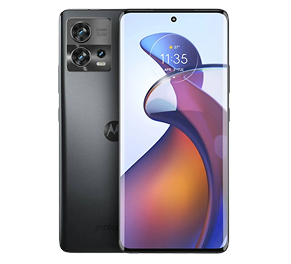
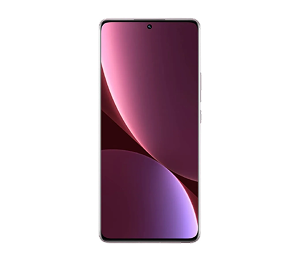
The technical specifications show clear differences in display technology, processing hardware, cameras, storage, connectivity, and charging. Both phones support 5G and offer 5,000 mAh batteries, while their hardware is designed for different performance and feature priorities.
General
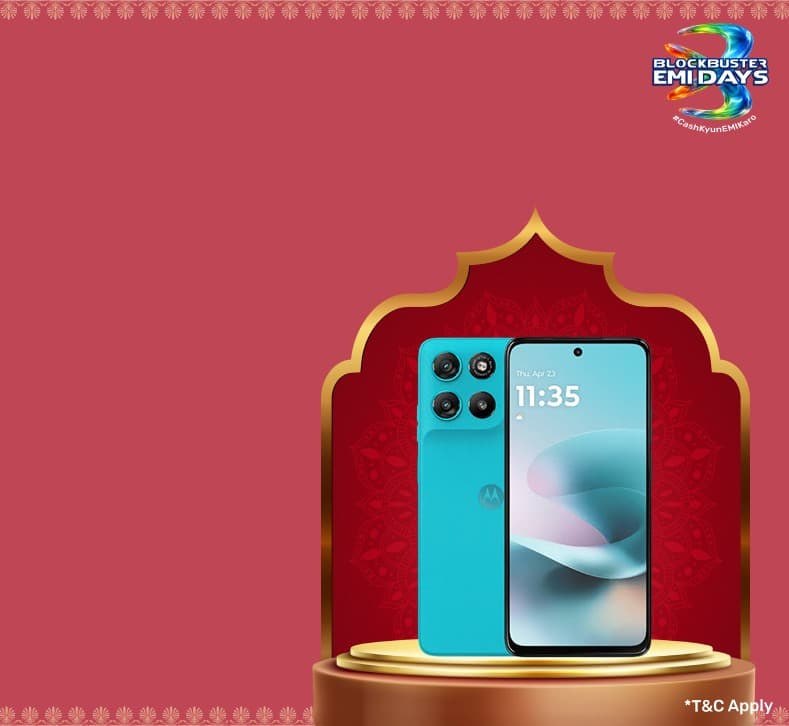
The motorola Edge 50 Fusion combines a lightweight design with Snapdragon processing and Android software. The Xiaomi Redmi Note 13 Pro Plus 5G pairs a curved AMOLED display with MediaTek processing and multiple storage configurations.
| Specification | motorola Edge 50 Fusion | Xiaomi Redmi Note 13 Pro Plus 5G |
| Model | Edge 50 Fusion | Redmi Note 13 Pro Plus 5G |
| Manufacturer | motorola | Xiaomi |
| Launch date | May 2024 | January 2024 |
| SIM | Dual SIM | Dual SIM |
| Network support | 2G, 3G, 4G, 5G | 2G, 3G, 4G, 5G |
| Dimensions | 162 x 73.1 x 7.8 mm | 161.4 x 74.2 x 8.9 mm |
| Weight | Around 175 g | Up to 204.5 g |
| Operating system | Android 14 | Android 13 |
| Custom UI | Hello UI | MIUI 14 |
| Fingerprint sensor | In-display | In-display |
| Water and dust resistance | IP68 | IP68 |
| Warranty | 1 year | 1 year |
Also check: AI smartphones
Display and design
The motorola Edge 50 Fusion features a curved pOLED panel with a 144Hz refresh rate and high peak brightness. The Redmi phone has a curved 1.5K AMOLED display with Dolby Vision, HDR10 Plus, and Gorilla Glass Victus protection.
| Specification | motorola Edge 50 Fusion | Xiaomi Redmi Note 13 Pro Plus 5G |
| Screen size | 6.67-inch | 6.67-inch |
| Display type | pOLED Endless Edge | 3D curved AMOLED |
| Resolution | 2400 x 1080 pixels | 2712 x 1220 pixels |
| Aspect ratio | 20:9 | 20:9 |
| Pixel density | 395 ppi | 446 ppi |
| Refresh rate | 144Hz | 120Hz |
| Peak brightness | 1,600 nits | 1,800 nits |
| Colour depth | 10-bit | 12-bit |
| Colour gamut | 100% DCI-P3 | 100% DCI-P3 |
| HDR | HDR10 Plus | Dolby Vision, HDR10 Plus |
| Screen protection | Not specified | Corning Gorilla Glass Victus |
| Touch sampling rate | Up to 360Hz gaming touch | 240Hz |
| Water resistance | IP68 | IP68 |
Also check: Curved display mobile phones
Performance and software
The motorola Edge 50 Fusion uses an octa-core Snapdragon 7s Gen 2 processor with Adreno 710 GPU. The Redmi phone uses an octa-core Dimensity 7200-Ultra processor with Mali-G610 MC4 graphics for demanding applications.
| Specification | motorola Edge 50 Fusion | Xiaomi Redmi Note 13 Pro Plus 5G |
| Processor | Qualcomm Snapdragon 7s Gen 2 | MediaTek Dimensity 7200-Ultra |
| CPU | Octa-core | Octa-core |
| CPU configuration | 4 x 2.40GHz Cortex-A78, 4 x 1.95GHz Cortex-A55 | 2 x 2.8GHz Cortex-A715, 6 x 2.0GHz Cortex-A510 |
| Fabrication | 4 nm | 4 nm |
| GPU | Adreno 710 | Mali-G610 MC4 |
| RAM | 8 GB, 12 GB | 8 GB, 12 GB |
| RAM type | LPDDR4X | LPDDR5 |
| Storage | 128 GB, 256 GB | 256 GB, 512 GB |
| Storage type | UFS 2.2 | UFS 3.1 |
| Expandable storage | No | No |
| Operating system | Android 14 | Android 13 |
| OS updates | Up to 3 major Android updates | Up to 3 major Android updates |
| Security updates | Up to 4 years | Up to 4 years |
Also check: Qualcomm Snapdragon processor phones
Camera features
The motorola Edge 50 Fusion uses a 50MP primary camera with OIS and a 13MP ultra-wide camera. The Redmi model has a 200MP primary camera with OIS, an 8MP ultra-wide camera, and a 2MP macro camera.
| Camera specification | motorola Edge 50 Fusion | Xiaomi Redmi Note 13 Pro Plus 5G |
| Rear camera setup | 50MP + 13MP | 200MP + 8MP + 2MP |
| Primary camera | 50MP | 200MP |
| Primary sensor | Sony LYTIA 700C | Samsung ISOCELL HP3 |
| OIS | Yes | Yes |
| Ultra-wide camera | 13MP | 8MP |
| Macro camera | No | 2MP |
| Front camera | 32MP | 16MP |
| Rear video recording | Up to 4K at 30fps | Up to 4K at 30fps |
| Front video recording | Up to 4K at 30fps | Up to 1080p at 60fps |
| Flash | LED flash | Dual LED flash |
Also check: Camera phones under 15000
Storage and connectivity
Both smartphones provide 5G connectivity, dual SIM support, Wi-Fi, Bluetooth, GPS, and USB Type-C connectivity. The Redmi phone adds Wi-Fi 6 and an IR blaster, while the motorola model includes NFC and eSIM support in selected configurations.
| Connectivity specification | motorola Edge 50 Fusion | Xiaomi Redmi Note 13 Pro Plus 5G |
| SIM configuration | Dual SIM | Dual SIM |
| 5G | Yes | Yes |
| 4G LTE | Yes | Yes |
| VoLTE | Yes | Yes |
| Wi-Fi | Wi-Fi 5 | Wi-Fi 6 |
| Bluetooth | Bluetooth 5.2 | Bluetooth 5.3 |
| NFC | Yes | Yes |
| GPS | GPS, GLONASS, Galileo, QZSS | GPS, GLONASS, Galileo, Beidou, QZSS |
| USB | USB Type-C 2.0 | USB Type-C |
| Audio jack | No | No |
| IR blaster | No | Yes |
| Storage options | 128 GB, 256 GB | 256 GB, 512 GB |
Also check: Upcoming 5G mobile phones
Battery and other features
Both phones pack 5,000 mAh batteries, but their charging speeds differ substantially. The motorola Edge 50 Fusion supports 68 W TurboPower charging, while the Redmi model supports 120 W HyperCharge for faster wired charging.
| Battery specification | motorola Edge 50 Fusion | Xiaomi Redmi Note 13 Pro Plus 5G |
| Battery capacity | 5,000 mAh | 5,000 mAh |
| Fast charging | 68 W TurboPower | 120 W HyperCharge |
| Wireless charging | No | No |
| Reverse charging | Yes | No |
| Charging port | USB Type-C | USB Type-C |
| Stereo speakers | Yes | Yes |
| Dolby Atmos | Yes | Yes |
| Cooling system | Standard thermal management | 4,000 mm² vapour chamber |
| Water and dust resistance | IP68 | IP68 |
| Security | In-display fingerprint, face unlock | In-display fingerprint, face unlock |
Also check: Best phones with 7000 mAh battery