A NACH bounce happens when the scheduled EMI cannot be debited from the borrower's bank account through the National Automated Clearing House system. As a result, the payment remains unpaid and the amount may continue to appear as outstanding until the payment is successfully received.
A failed NACH transaction does not automatically mean that serious recovery action will begin. However, borrowers should act promptly to resolve the issue.
Why does a NACH payment fail
A NACH transaction can fail for several reasons, including:
- Insufficient balance in the bank account.
- Signature mismatch.
- Incorrect bank account details.
- Closed or inactive bank account.
- Technical or banking issues.
- Mandate-related problems.
Understanding the reason for the failure can help borrowers take corrective action and reduce the risk of future payment issues.
What should you do immediately after a NACH bounce
A simple approach may include the following steps:
- Check whether the EMI has been debited.
- Review the reason for the failed transaction.
- Verify the status of your loan account.
- Arrange funds if required.
- Make the payment through an available channel.
- Save the payment confirmation.
Prompt action can help reduce the period during which the amount remains overdue.
How can you pay an overdue EMI after a failed NACH transaction
| Payment option | Purpose |
|---|---|
| My Account portal | View and pay outstanding dues |
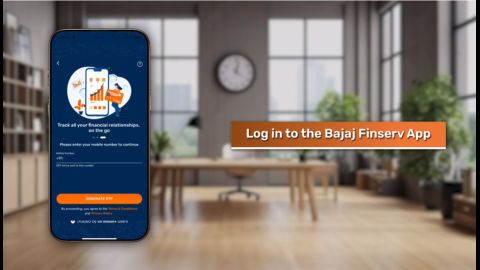
| Mobile application | Make digital payments |
| Net banking or UPI | Complete payment online, if available |
| Customer care support | Obtain information regarding payment options |
| Branch assistance | Seek help if required |
The available payment channels depend on the product and the lender's processes.