







Clear your overdue EMI
Clear your overdue EMI today – stop penalties & fix your credit
*Overdue charges include penalty interest and bounce fees as applicable. T&C apply.
In Summary
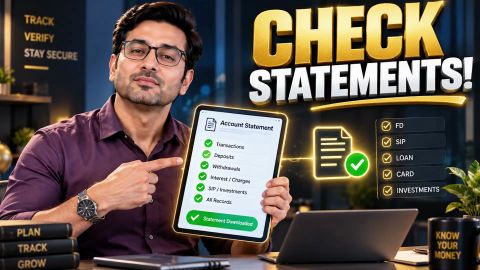
Download statements and report discrepancies seamlessly
Tracking your car loan EMI deductions helps you verify payments, monitor your outstanding balance, and identify discrepancies. Regularly review your bank account and loan statement to detect missed or duplicate debits, address payment issues, and maintain accurate repayment records.
- Check your loan account online to review recorded EMI payments and repayment details.
- Download your loan statement to verify payment entries, transaction dates, outstanding balances, and applicable charges.
- Compare bank debits with loan records to identify missing payments or duplicate deductions.
- Contact your lender through official channels if an EMI deduction is missing, incorrect, or not reflected in your loan account.
- Maintain sufficient funds, monitor due dates, and retain payment confirmations to help prevent repayment issues.
Why is it important to track car loan EMI deductions?
Tracking your car loan EMI deductions helps you confirm that payments are debited from your bank account as scheduled and credited to your loan account. Regular monitoring helps you identify missed deductions, unexpected debits, or discrepancies between the amount deducted and the scheduled EMI. If a deduction does not occur on the due date, checking your loan account can help you determine whether the instalment remains unpaid and whether any applicable charges may arise. Reviewing your bank statement and loan repayment schedule also helps you track payment dates, amounts, and outstanding dues. If you notice a duplicate debit or a payment that has not been recorded, contact Bajaj Finance through an official channel for clarification. Keeping payment receipts, bank statements, and transaction references can help resolve discrepancies. By tracking EMI deductions regularly, you can manage your monthly budget more effectively, respond promptly to payment issues, and maintain a clear record of your car loan repayments.
How to track car loan EMI deductions online?
You can track car loan EMI deductions online by accessing your loan account and reviewing the available repayment details. The Statement of Account is a useful record for checking payments credited to your loan account.
Follow these steps to check your EMI deductions:
- Visit the official Bajaj Finance My Account portal or open the Bajaj Finance App.
- Sign in using your registered mobile number and the OTP received.
- Complete any additional verification requested, if applicable.
- Select the relevant car loan account from your loan details.
- Open the available loan statement or repayment details.
- Review the recorded EMI payments and compare them with your bank transactions.
The exact navigation options may vary depending on the platform and services available for your account. If you cannot access the statement online, use the official customer support channels to enquire about your loan account.
Steps to download your car loan statement of account
A car loan Statement of Account records transactions associated with your loan. You can use it to check EMI payments, review outstanding amounts, and verify whether a deduction has been recorded.
To download the statement through the My Account portal:
- Visit the official Bajaj Finance website and open My Account.
- Enter your registered mobile number and verify your access using the OTP.
- Complete the additional verification requested, if applicable.
- Select the relevant car loan account.
- Look for the Statement of Account option.
- Open or download the statement if the option is available for your account.
You can also check whether the Bajaj Finance App provides access to your loan statement. Keep the downloaded statement for your records. If you need to confirm a particular EMI deduction, identify the relevant transaction date and compare it with the corresponding entry in your bank statement.
How to track car loan EMI deductions through your loan statement?
Your car loan statement helps you track EMI payments and review transactions recorded against your loan account. Regularly reviewing it lets you verify payment entries, monitor your outstanding balance, and spot discrepancies in your repayment records.
Check the following details when reviewing your loan statement:
- EMI payment entries: Verify that each scheduled instalment is recorded in your loan account.
- Transaction dates: Compare the dates recorded in your loan statement with your bank statement and payment confirmations.
- Outstanding balance: Review the remaining loan amount to understand your current repayment position.
- Applicable charges: Check any charges recorded in the statement and refer to your loan terms for details.
- Part-payment entries: If you have made a part-payment, verify whether it appears in your loan account's transaction history.
- Loan account details: Confirm that the statement relates to the correct car loan account.
Recent transactions may take some time to appear in your loan statement. If an EMI has been deducted from your bank account but is not reflected in your loan records, verify the transaction using your payment confirmation and contact your lender through an official channel for clarification.
What to do if a car loan EMI deduction is missing or incorrect?
If your car loan EMI appears to have been deducted incorrectly or is missing from your loan statement, compare the available records and raise a query if the discrepancy remains unresolved.
Take the following steps:
- Check your bank account: Confirm the debit amount, date and transaction status.
- Review your loan statement: Verify whether the payment has been recorded against the correct loan account.
- Check for another payment: Review whether the EMI was paid through a different method or whether another transaction relates to the same instalment.
- Keep supporting records: Retain the bank statement entry, transaction reference, and any payment confirmation available.
- Contact the lender: Raise a query through official customer support channels and provide the relevant transaction details.
- Confirm the account position: Check the status of the payment and whether any amount remains overdue before taking further action.
If the EMI has not been recorded and the instalment remains outstanding, arrange payment through an authorised channel after confirming the amount due. Applicable charges may arise if an instalment remains unpaid, depending on the loan terms. Keep a record of the query raised and any response received until the discrepancy is resolved.
How to avoid missed or duplicate car loan EMI payments?
Regularly checking your bank account and loan statement helps you monitor car loan repayments and identify discrepancies early. A few simple checks can also help you avoid payment errors.
- Maintain sufficient funds: Keep adequate funds in the registered bank account before the scheduled EMI date.
- Check the repayment date: Refer to your loan documents or account details to confirm the applicable due date.
- Monitor bank transactions: Review your account for the expected EMI debit and retain the transaction confirmation.
- Review the loan statement: Confirm that the payment is reflected against the correct loan account.
- Check before paying again: If a debit has already occurred but is not reflected in your loan account, verify the transaction status before making another payment.
- Review account changes: If you have updated your repayment mandate or bank details, verify the applicable repayment arrangements through official channels.
An EMI mandate facilitates scheduled deductions, but it does not remove your obligation to repay the loan. If a deduction fails or an instalment remains unpaid, check the outstanding amount and take the necessary action promptly.
Loan support made easy — Read on
Not your nearest branch?

Frequently Asked Questions
Tracking Deductions
Failed Deductions
What factors can cause a difference between the EMI debit date and the loan payment date?
The bank may debit an EMI before the payment appears in your loan account records. Processing times can vary. Compare both records and contact your lender if the difference remains unresolved.
How can you check whether a car loan EMI has been adjusted against the principal?
Review your loan statement or repayment details to check how the payment has been recorded. If the statement does not show the principal adjustment clearly, contact your lender for a breakdown of the transaction.
What should you do if your car loan EMI amount changes unexpectedly?
Compare the deducted amount with your latest repayment schedule and loan agreement. Check for any approved changes or applicable charges. If the difference remains unexplained, contact your lender through an official channel for clarification.
How long should you keep car loan EMI payment records?
Keep bank statements, payment confirmations and loan statements for as long as you may need to verify repayments or resolve discrepancies. After closing the loan, retain the final statement and any loan closure documents for future reference.
What happens if your car loan EMI is debited on a bank holiday?
The timing of an EMI debit may depend on your bank's processing arrangements and the repayment mandate. Check your bank account and loan statement for the actual transaction status, and confirm any uncertainty with your lender.
How can you identify a duplicate car loan EMI debit?
Compare your bank statement entries for the same date and amount, then check your loan account to see how each transaction was recorded. If two debits appear to relate to one EMI, contact your bank or lender for clarification.
More Articles


Disclaimer
While care is taken to update the information, products, and services included in or available on our website and related platforms/websites, there may be inadvertent inaccuracies or typographical errors or delays in updating the information. The material contained in this site, and on associated web pages, is for reference and general information purpose and the details mentioned in the respective product/service document shall prevail in case of any inconsistency. Subscribers and users should seek professional advice before acting on the basis of the information contained herein. Please take an informed decision with respect to any product or service after going through the relevant product/service document and applicable terms and conditions. In case any inconsistencies observed, please click on reach us.
*Terms and conditions apply.