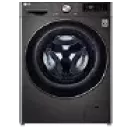
The washer lint trap is an essential component of your washing machine, designed to catch lint, debris, and other particles that may come off your clothes during the washing cycle. Located within the drum or along the door area of the machine, it helps prevent these particles from clogging the plumbing and interfering with the washer’s performance. While lint traps are most commonly associated with dryers, many washing machines, particularly top-load models, come with their own lint collection system. By maintaining a clean lint trap, you can ensure that your washer continues to operate efficiently and your clothes are washed without leaving unwanted residue behind.
Importance of cleaning the lint trap regularly
Cleaning the lint trap in your washing machine is crucial for maintaining its optimal performance. Over time, lint and debris build-up can cause blockages, leading to slower drainage, increased energy consumption, or even damage to the machine. A clogged lint trap can also result in musty odours, as moisture gets trapped with the debris. Regular cleaning helps prevent these issues, ensuring your washer runs smoothly, and your laundry is thoroughly cleaned. Keeping the lint trap free from blockages can also prolong the lifespan of your automatic washing machine. Moreover, an uncleaned lint trap can affect wash quality, leaving clothes covered in unwanted lint or detergent residue.
Signs that your washer lint trap needs cleaning
A clogged lint trap affects washing performance and can damage your machine if left unattended. Watch out for these clear warning signs.
- Lint and fluff on clean clothes: If you notice fabric fibres, white fluff or small threads sticking to clothes after a wash cycle, the lint filter is likely full and no longer capturing debris effectively during the cycle.
- Clothes not rinsing properly: A blocked lint trap restricts water flow through the machine, which can prevent detergent and lint from being flushed away completely during the rinse stage, leaving residue on fabric after washing.
- Unusual noise during the wash cycle: A clogged filter forces the washing machine's pump to work harder to circulate water, which can produce a humming, gurgling or straining noise during the wash and drain stages that is not present when the filter is clean.
- Water draining slowly or not at all: Lint and debris accumulation in the filter can partially or fully block the drainage path, causing water to drain very slowly at the end of the cycle or pool at the bottom of the drum after the spin is complete.
- Musty or unpleasant odour from the machine: Accumulated lint, hair and fabric fibres trapped in a dirty filter create a damp environment where bacteria and mould grow rapidly, producing a persistent musty smell that transfers to freshly washed clothes.
- Error codes on the display panel: Many modern washing machines display a drainage or filter error code when the lint filter is severely blocked and restricting water flow beyond the machine's operational tolerance. Check your user manual for the specific error code related to filter blockage on your model.
If your top load washing machine is not performing as expected, and these signs are present, it is time to inspect and clean the lint trap. Regular checks can help prevent major issues before they become costly repairs.
How do you clean a washing machine lint filter in a top load and front load machine
Cleaning the lint filter is a straightforward process that takes only a few minutes and should be done every two to four weeks for best results. Here is what you need and how to do it for both machine types.
Tools and materials needed for cleaning
- Soft toothbrush or small cleaning brush
- Clean dry cloth or microfibre cloth
- Small bowl or container for water
- Running water source
- Mild liquid soap or dish wash liquid
- Dry towel for wiping the filter housing
How to clean the lint filter in a top load washing machine
- Switch off and unplug the washing machine completely before starting the cleaning process to ensure safety throughout.
- Locate the lint filter inside the drum on a top load machine. It is typically a mesh bag or cylindrical filter attached to the drum wall or the agitator column near the top of the drum interior.
- Remove the filter by pulling or twisting it out gently according to the design of your specific model. Refer to the user manual if the filter does not detach easily by hand.
- Tap the filter gently against the inside of a waste bin to dislodge loose dry lint before washing, which makes the cleaning process faster and prevents large amounts of debris from going down the drain.
- Hold the filter under running water and use a soft toothbrush with a small amount of mild liquid soap to gently scrub all mesh surfaces until the filter is completely free of lint, fabric fibres and residue.
- Rinse the filter thoroughly under running water until no soap remains and the mesh openings are fully clear and unobstructed before reinstalling.
- Dry the filter with a clean cloth and reinsert it firmly into its housing, ensuring it is securely seated before closing the machine and running a test cycle.
How to clean the lint filter in a front load washing machine
- Switch off and unplug the machine before starting. Place a dry towel on the floor directly below the filter access panel at the bottom front of the machine to absorb water spillage during the process.
- Open the small access panel or flap at the lower front of the machine. This panel conceals the pump filter, which is the primary lint and debris filter on most front load washing machines.
- Place a shallow container or tray directly below the filter cap to catch residual water that will flow out when the filter is opened. There is typically 300 to 500 ml of water trapped in this area.
- Unscrew the filter cap slowly and anticlockwise, allowing water to drain into the container as you turn it. Continue unscrewing carefully until the filter cap is fully removed.
- Remove any visible lint, hair, coins or debris from the filter by hand before rinsing it under running water with a soft brush and mild soap to remove all remaining residue from the mesh and threads.
- Inspect the filter housing cavity with a torch and wipe the inside with a damp cloth to remove any debris or slime that has accumulated around the seal and inner walls of the housing.
- Reinsert the filter, tighten the cap firmly clockwise to prevent leaks and close the access panel before plugging the machine back in and running a short rinse cycle to confirm normal operation.
For larger machines, such as a 12 kg washing machine, you may require more time and a gentle touch to avoid damaging any parts. It is also a good idea to check the owner’s manual for specific cleaning instructions to ensure that you don’t inadvertently void any warranties.
Where is the lint filter located on different washing machine types
The lint filter location varies significantly between washing machine types and brands. Knowing where to find yours saves time and avoids unnecessary disassembly.
- Top load washing machines with agitator: The lint filter is typically a removable mesh bag or cylindrical screen attached directly to the central agitator column or clipped onto the upper inner wall of the drum. It is visible when you look down into the drum and can usually be removed by pulling or twisting it free by hand.
- Top load washing machines without agitator (impeller models): These models often have a mesh filter integrated into the drum wall near the water inlet or at the base of the drum. Some impeller top loaders use a self-cleaning filter system and do not have a manually removable lint trap, relying instead on the drain pump to flush debris out with each cycle.
- Front load washing machines: Front load machines use a pump filter located behind a small access panel at the lower front of the machine, typically on the bottom left or bottom right corner. This filter catches lint, coins, hair clips and other debris before they reach the drain pump and should be cleaned every two to four weeks.
- Semi-automatic washing machines: Semi-automatic twin tub machines have a separate lint filter in the wash tub compartment, usually a removable mesh screen positioned at the water outlet at the bottom of the wash tub. It lifts out easily for rinsing and should be cleaned after every two to three wash cycles.
- Built-in self-cleaning filter systems: Some premium front load models from brands including LG, Samsung and Bosch use a self-cleaning filter system that flushes collected lint into the drain automatically during the drain cycle. These machines still require periodic inspection of the pump filter for larger debris that the self-cleaning system may not fully clear.
What should you do when your washing machine has no lint filter
Some washing machines, particularly newer high-efficiency models, do not include a traditional removable lint filter. In these cases, an external lint trap solution is the most practical way to prevent lint from reaching the drainage system.
- Understand why some machines have no lint filter: Many modern high-efficiency top load and front load machines are designed without a traditional user-accessible lint trap because they rely on a self-cleaning flush system that drains lint directly with the waste water during each cycle. While this reduces manual maintenance, it can allow lint to enter household drainage pipes over time.
- Install an external inline lint trap on the drain hose: An external lint trap is a small mesh device that attaches directly to the washing machine's drain hose, capturing lint and fibres before they enter the drainage pipe. These are widely available online and at hardware stores in India for Rs. 200 to Rs. 600 and require no tools to install on most standard drain hose sizes.
- Use a lint trap bag inside the drum: A reusable mesh lint trap bag placed inside the drum during the wash cycle captures lint and small fibres directly within the drum before they circulate through the water system. Remove and empty the bag after each wash cycle. These bags are available online for Rs. 100 to Rs. 300 and work effectively in both top load and front load machines without lint filters.
- Use a lint catching laundry ball: A plastic laundry lint trap ball placed inside the drum during washing attracts and captures floating fibres through static and physical contact during drum rotation. Empty the ball after each cycle by pulling out the collected lint. Multiple balls can be used simultaneously for heavier lint-producing loads such as new towels, fleece garments and chenille fabric.
- Clean the pump filter regularly even without a lint trap: Machines without a user-accessible lint filter still have an internal pump filter at the front lower panel that catches larger debris. Cleaning this pump filter every two to four weeks prevents blockages caused by accumulated fabric fibres that the self-cleaning flush system does not fully eliminate during normal operation.
- Run regular drum clean cycles to flush lint build-up: Using the drum clean or tub clean programme monthly helps flush residual lint and fabric fibres that accumulate in the drum seal, door gasket and drainage channels of machines without dedicated lint filters, maintaining hygiene and preventing odour caused by trapped debris decomposing inside the machine.
Get electronics and appliances on Easy EMIs with Bajaj Finance
Upgrading your home with the latest electronics and appliances is now hassle-free with Bajaj Finance's flexible financing options. Follow these steps to get started:
- Explore products on Bajaj Mall: Browse a wide range of electronics and appliances from trusted brands on Bajaj Mall. Compare features to find a model that meets your needs.
- Visit a partner store: Once you shortlist a model, step into any of Bajaj Finance’s 1.5 lakh partner stores across 4,000 cities in India. See the product in person, talk to experts, and make a confident decision.
- Choose the Easy EMI Loan option: At checkout, select the Bajaj Finance Easy EMI Loan. Avail financing of up to Rs. 5 lakh and split the cost into convenient monthly instalments. Some products also come with a zero down payment option.
- Check your loan eligibility online: Plan better by checking your loan eligibility in minutes. Simply enter your mobile number and OTP to know your pre-approved limit.
- Use the EMI Network Card for purchases up to Rs. 3 lakh: Already own the Bajaj Finance EMI Network Card? Use it for instant, paperless checkout and convert your purchases of up to Rs. 3 lakh into Easy EMIs.
Why use the Smart Savings Calculator
Bajaj Finance’s Smart Savings Calculator helps you unlock maximum savings every time you shop at partner stores. It brings together all available brand, dealer, and scheme offers—so you can see your total savings instantly and shop smarter with Easy EMIs.
1. Dealer offers - Grab exclusive in-store deals at over 1.5 lakh partner stores across India. Enjoy local discounts and special prices you will not find online.
2. Brand offers - Access limited-time discounts from top brands across electronics, appliances, and more. Discover brand-specific savings selected just for you.
3. Bajaj offers - Unlock exclusive Bajaj Finance deals on popular products—available only to our customers. More rewards, more value.
4. Scheme offers - Take advantage of time-sensitive offers on select EMI schemes. Get extra benefits after paying just 3 EMIs—visible during EMI selection at checkout.
Calculate your extra savings today!