















































































































































































































































































You may be eligible for a pre-approved personal loan offer
Enter mobile and OTP | Check offer | No branch visit needed
The term CIBIL defaulter list is often misunderstood. There is no official list of defaulters; CIBIL maintains credit records that reflect repayment history and credit behaviour. Monitoring your credit report helps you stay informed, and understanding how to remove written off from CIBIL can assist in keeping your credit profile accurate and up to date.
Understanding the CIBIL defaulter list
Contrary to common belief, credit bureaus like CIBIL do not maintain a list of loan defaulters. Instead, they gather and maintain detailed data on borrowers' financial histories, including both timely and defaulted payments. This data is used to calculate an individual's credit score, which is a key factor considered by lenders when assessing creditworthiness.
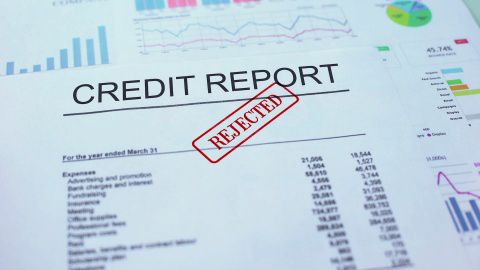
The credit report generated by CIBIL and similar bureaus provides a comprehensive view of an individual's credit history, including details of all credit accounts, their payment history, and any defaults. It is crucial to note that even a single missed payment can negatively impact your credit score.
The role of Reserve Bank of India (RBI)
While credit bureaus do not maintain a defaulter list, the Reserve Bank of India (RBI) does manage a list of "wilful defaulters." These are individuals who owe Rs. 25 lakh or more to financial institutions, such as banks or non-banking financial companies (NBFCs) within the country.
The list of wilful defaulters is publicly available, allowing financial institutions to exercise due diligence before granting loans to such individuals in the future. This measure is in place to protect the interests of lenders and the overall financial system.
How to maintain a healthy credit profile
Now that we have debunked the myth of the CIBIL defaulter list, let us focus on maintaining a healthy credit profile and ensuring that your credit history remains positive.
- Timely payments: The most critical aspect of a good credit history is making payments on time. Ensure that you pay all your bills and debts promptly to avoid any negative impact on your credit score.
- Clearing outstanding dues: If you have outstanding debts, make a plan to clear them systematically. Negotiate with your creditors if necessary, and once the debts are paid, request a 'No Dues Certificate' as proof.
- Error rectification: Regularly review your credit report for inaccuracies. If you find any errors, dispute them with the credit bureau and your creditors to have them corrected promptly.
- Maintaining a good credit mix: Having a variety of credit types, such as credit cards, loans, and mortgages, can positively impact your credit score. Handle them responsibly and ensure timely payments.
- Limit credit inquiries: Be cautious about allowing too many inquiries on your credit report. Each inquiry can leave a mark, potentially affecting your credit score.
- Avoid write-offs: Whenever possible, avoid having your debts written off, as this can have severe consequences for your credit report.
Conclusion
It is important to understand the concept of the CIBIL defaulter list and the role of credit bureaus in tracking credit behaviour. CIBIL does not maintain an official list of defaulters, but it records repayment history that affects your credit score.
For individuals looking to improve their credit profile, steps like CIBIL clearance and understanding how to clear the CIBIL score can be helpful. Maintaining timely repayments and responsible financial habits supports a positive credit history and can simplify applying for a personal loan online.
Key offerings: 3 loan types
Personal loan interest rate and applicable charges
Type of fee |
Applicable charges |
Rate of interest per annum |
10% to 30% p.a. |
Processing fees |
Up to 3.93% of the loan amount (inclusive of applicable taxes). |
Flexi Facility Charge |
Term Loan – Not applicable Flexi Loans –Up To Rs 1,999 To Up To Rs 18,999/- (Inclusive Of Applicable Taxes) |
Bounce charges |
Rs. 700 to Rs. 1,200/- per bounce “Bounce charges” shall mean charges for (i) dishonor of any payment instrument; or (ii) non-payment of instalment (s) on their respective due dates due to dishonor of payment mandate or non-registration of the payment mandate or any other reason. |
Part-prepayment charges |
Full Pre-payment:
Part Pre-payment
|
Penal charge |
Delay in payment of instalment(s) shall attract Penal Charge at the rate of up to 36% per annum per instalment from the respective due date until the date of receipt of the full instalment(s) amount. |
Stamp duty (as per respective state) |
Payable as per state laws and deducted upfront from loan amount. |
Annual maintenance charges |
Term Loan: Not applicable Flexi Term (Dropline) Loan: Up to 0.295% (Inclusive of applicable taxes) of the Dropline limit (as per the repayment schedule) on the date of levy of such charges.
Up to 0.472% (Inclusive Of Applicable Taxes) Of The Dropline Limit During Initial Tenure. Up to 0.295% (Inclusive Of Applicable Taxes) Of Dropline Limit During Subsequent Tenure |
Related articles
Disclaimer
Bajaj Finance Limited has the sole and absolute discretion, without assigning any reason to accept or reject any application. Terms and conditions apply*.
For customer support, call Personal Loan IVR: 7757 000 000
Industrial Equipment Finance
Industrial Equipment Balance Transfer
Industrial Equipment Refinance