How to Use the Defrost Function of Microwave

How to Use the Defrost Function of Microwave

Discover the steps to properly use the defrost feature on your microwave for even thawing.

Check pre-approved loan offer

Check pre-approved loan offer

Overview

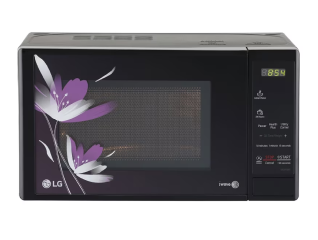
The defrost function in a microwave is a specialised setting designed to thaw frozen food quickly and evenly before cooking. Instead of using continuous high-power heating, the microwave operates at lower power levels and controlled intervals to gently defrost food without partially cooking it. This feature is particularly useful for thawing items such as meat, poultry, seafood, vegetables and frozen ready-to-cook meals. Many modern microwaves allow users to select the food type or enter the weight of the item, enabling the appliance to automatically adjust the defrosting time and power level for optimal results.


Explore microwaves at any of Bajaj Finance’s 1.5 lakh partner stores in 4,000 cities in India. Choose your ideal model, pay with Easy EMIs, and enjoy zero down payment on select deals. Simply check your loan eligibility now and bring home your desired product without worrying about overspending.
Understanding the defrost setting in microwave

The defrost setting on a microwave is designed to safely and efficiently thaw frozen food without cooking it. Unlike regular microwave heating, which uses high power to cook food quickly, the defrost function operates at lower power levels and intermittent heating cycles to gradually soften frozen ingredients. Most microwaves offer time-based or weight-based defrost options. In a time-based setting, users manually enter the defrosting duration, while weight-based defrost automatically calculates the required time and power level based on the weight of the food.

  • Lower power output: The microwave uses reduced power levels to thaw food gradually rather than heating it rapidly.
  • Intermittent heating cycles: Heating pauses at intervals, allowing frozen sections to thaw evenly and preventing the outer layers from cooking.
  • Weight-based automation: Many models automatically adjust power and timing after the user enters the food weight.
  • Food-specific programs: Some microwaves include dedicated defrost settings for meat, poultry, seafood and other frozen items.

Why proper defrosting is important

Proper defrosting plays a crucial role in maintaining food quality, safety and cooking performance. Thawing frozen food correctly helps ensure even cooking, preserves texture and reduces the risk of bacterial growth that can occur when food is left at unsafe temperatures.

  • Promotes food safety: Proper defrosting helps keep food out of temperature ranges where harmful bacteria can multiply rapidly.
  • Ensures even cooking: Thoroughly thawed food cooks more uniformly, reducing the chances of undercooked or overcooked sections.
  • Preserves texture and flavour: Controlled defrosting helps maintain the original taste, moisture and texture of meat, seafood and other frozen foods.
  • Prevents partial cooking: Using the correct defrost setting reduces the risk of cooking the outer layers while the centre remains frozen.
  • Improves cooking efficiency: Defrosted ingredients require less cooking time and deliver more consistent results.
  • Reduces food waste: Proper thawing minimises quality loss and helps prevent food from becoming dry, tough or unsuitable for cooking.
  • Enhances meal preparation convenience: Defrosting food correctly makes it easier to prepare recipes and handle ingredients during cooking.
  • Protects nutritional value: Gentle thawing methods help retain nutrients that may be affected by excessive heat exposure.

Types of foods you can safely defrost in a microwave

The microwave defrost function is suitable for a wide variety of frozen foods, making meal preparation faster and more convenient. When used correctly, it can thaw food safely while preserving quality and reducing preparation time.

  • Meat: Beef, mutton, pork and other cuts of meat can be safely defrosted using the microwave's defrost setting before cooking.
  • Poultry: Chicken, turkey and other poultry products can be thawed quickly, making them ready for immediate cooking.
  • Fish and seafood: Frozen fish fillets, prawns, shrimp and other seafood items can be defrosted efficiently while maintaining texture and freshness.
  • Frozen vegetables: Vegetables such as peas, corn, beans and mixed vegetable packs can be thawed before cooking or added directly to recipes.
  • Bread and baked goods: Bread slices, buns, rolls, cakes and pastries can be softened and thawed without significantly affecting their texture.
  • Ready-to-cook meals: Frozen meals, snacks and convenience foods can be safely defrosted before heating or cooking.
  • Frozen fruits: Fruits intended for smoothies, desserts or baking can be thawed using low-power defrost settings.
  • Cheese and dairy products: Certain frozen dairy items can be gently thawed, although texture changes may occur depending on the product.
  • Prepared foods and leftovers: Frozen cooked foods and leftovers can be defrosted before reheating to ensure even warming.

How to use the defrost function in microwave

The defrost function allows frozen food to thaw quickly and evenly without being fully cooked. Following the correct steps can help achieve better results while maintaining food quality and safety.

  • Place food in a microwave-safe container: Transfer the frozen food to a microwave-safe dish or plate to ensure safe and effective defrosting while preventing spills inside the appliance.
  • Select the defrost setting: Press the defrost button on the microwave and choose the appropriate defrost mode based on the type of food being thawed.
  • Enter the food weight or time: Many microwaves allow users to input the weight of the food, enabling the appliance to automatically calculate the ideal defrosting time and power level.
  • Start the defrost cycle: The microwave will operate at a lower power setting and use intermittent heating to thaw food gradually without cooking it.
  • Turn or rearrange the food midway: Rotating, flipping or separating food during the defrost cycle helps achieve more even thawing and prevents frozen spots.
  • Monitor the defrosting process: Check the food periodically to ensure it is thawing properly and adjust the remaining time if necessary.
  • Remove thawed portions if required: For foods such as poultry or seafood, separating thawed sections can improve overall defrosting performance.
  • Cook the food immediately after defrosting: Defrosted meat, poultry and seafood should be cooked promptly to maintain food safety and reduce the risk of bacterial growth.
  • Clean the microwave after use: Wipe away any moisture or food residue left behind during defrosting to keep the appliance hygienic and functioning efficiently.

Common mistakes to avoid while defrosting

Avoiding these common defrosting mistakes can help maintain food safety, improve cooking results and preserve food quality.

  • Using the wrong power setting: Defrosting food at full microwave power can cause the outer layers to cook while the centre remains frozen, resulting in uneven thawing.
  • Skipping the defrost function: Using regular cooking settings instead of the dedicated defrost mode may affect food texture and reduce thawing efficiency.
  • Not turning or rotating the food: Failing to flip or rearrange food during defrosting can lead to uneven thawing and frozen spots.
  • Over-defrosting the food: Running the defrost cycle for too long can partially cook delicate foods such as meat, poultry and seafood.
  • Leaving food unattended after defrosting: Defrosted food should not remain at room temperature for extended periods, as this can encourage bacterial growth.
  • Defrosting food in non-microwave-safe containers: Certain materials may melt, warp or release harmful substances when exposed to microwave heat.
  • Ignoring food weight settings: Entering incorrect weight information can cause the microwave to overestimate or underestimate the required defrosting time.
  • Not separating food portions: Frozen items stuck together may thaw unevenly if they are not separated once they begin to soften.
  • Refreezing uncooked defrosted food unnecessarily: Refreezing food without cooking it first may affect its quality, texture and freshness.
  • Defrosting large items without checking progress: Large cuts of meat or poultry require periodic monitoring to ensure even thawing throughout the food.
  • Using damaged or unsuitable packaging: Some packaging materials are not designed for microwave use and may become unsafe during defrosting.
  • Not cooking food immediately after defrosting: Meat, poultry and seafood should be cooked soon after thawing to maintain food safety and quality.

Get electronics and appliances on Easy EMIs with Bajaj Finance

Bringing home your preferred product is now hassle-free with Bajaj Finance's flexible financing options. Follow these steps to get started:

  • Explore products on Bajaj Mall: Browse through a wide selection of products on Bajaj Mall. Compare features to find a model that meets your needs.
  • Visit a partner store: Once you shortlist a model, step into any of Bajaj Finance’s 1.5 lakh partner stores across 4,000 cities in India. See the product in person, talk to experts, and make a confident decision.
  • Choose the Easy EMI Loan option: At checkout, select the Bajaj Finance Easy EMI Loan. Avail financing of up to Rs. 12 lakh and split the cost into convenient monthly instalments. Some products also come with a zero down payment option.
  • Check your loan eligibility online: Plan better by checking your loan eligibility in minutes. Simply enter your mobile number and OTP to know your pre-approved limit.
  • Use the Insta EMI Card for purchases up to Rs. 3 lakh: Already own the Bajaj Finance Insta EMI Card? Use it for instant, paperless checkout and convert your purchases of up to Rs. 3 lakh into Easy EMIs.

Save more with Smart Savings Calculator

Combine the best offers, EMI plans, and exclusive vouchers with Smart Savings Calculator to save big.

20k+ people used their offers at the store

Why use the Smart Savings Calculator

Bajaj Finance’s Smart Savings Calculator helps you unlock maximum savings every time you shop at partner stores. It brings together all available brand, dealer, and scheme offers—so you can see your total savings instantly and shop smarter with Easy EMIs.

1. Dealer offers - Grab exclusive in-store deals at over 1.5 lakh partner stores across India. Enjoy local discounts and special prices you will not find online.

2. Brand offers - Access limited-time discounts from top brands across electronics, appliances, and more. Discover brand-specific savings selected just for you.

3. Bajaj offers - Unlock exclusive Bajaj Finance deals on popular products—available only to our customers. More rewards, more value.

4. Scheme offers - Take advantage of time-sensitive offers on select EMI schemes. Get extra benefits after paying just 3 EMIs—visible during EMI selection at checkout.

Calculate your extra savings today!

FAQs

General

Can I buy a microwave on EMI?

Yes, you can easily bring home your preferred microwave using Bajaj Finance’s Easy EMI options. Whether you already have the Insta EMI card or are new to it, here is how to begin:


If you have the Bajaj Finance Insta EMI card:

  • Explore products on Bajaj Mall: Choose from a wide range of the latest and most popular models.
  • Visit a partner store: Check out the product in person at any of Bajaj Finance’s 1.5 lakh partner stores across 4,000 cities in India.
  • Use your Insta EMI card at checkout: Convert the cost into Easy EMIs that fit your monthly budget.
  • Zero down payment on select models: Take your chosen product home without paying anything upfront.

If you do not have an Insta EMI card:

Check your Insta EMI Card eligibility online using your mobile number and OTP. If you are eligible, apply instantly and enjoy a smarter, more affordable way to buy your favourite product on Easy EMIs.

It is not recommended to defrost food without a microwave-safe container. Containers not designed for the microwave can melt, warp, or leach harmful chemicals into the food. Always use microwave-safe glass or plastic containers to ensure that your food defrosts safely. Additionally, these containers allow steam to escape, preventing the food from becoming soggy or unevenly defrosted. Always check for a microwave-safe label or symbol on the container before use.

Food starts to cook while defrosting when the microwave’s power level is set too high. Microwaves heat unevenly, which can result in parts of the food cooking while other areas are still frozen. This typically happens with thick or dense foods. To avoid this, set the microwave to a lower power level (around 30-50%) and defrost in short intervals. It is also helpful to rearrange or turn the food periodically to promote even thawing.

The ideal power level for defrosting food in a microwave is typically around 30-50%. This allows the food to thaw gently and evenly, preventing the outer layers from cooking while the inner parts remain frozen. High power settings may cause uneven defrosting, leading to cooked edges and a still-frozen centre. If your microwave has a specific “defrost” setting, it will automatically adjust the power level for optimal thawing. Always check the food’s progress during defrosting.

Refreezing food after it has been defrosted is generally not recommended, especially if it was defrosted at room temperature. Once food is thawed, bacteria can begin to multiply, which can increase the risk of foodborne illnesses. If food has been thawed in the refrigerator and has not reached a temperature above 4°C, it may be safely refrozen. However, once food has been heated or partially cooked, it should not be refrozen to ensure safety.
 

Show More Show Less

Disclaimer

While care is taken to update the information, products, and services included in or available on our website and related platforms/websites, there may be inadvertent inaccuracies or typographical errors or delays in updating the information. The material contained in this site, and on associated web pages, is for reference and general information purpose and the details mentioned in the respective product/service document shall prevail in case of any inconsistency. Subscribers and users should seek professional advice before acting on the basis of the information contained herein. Please take an informed decision with respect to any product or service after going through the relevant product/service document and applicable terms and conditions. In case any inconsistencies observed, please click on reach us.

*Terms and conditions apply