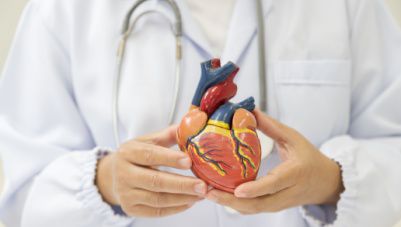

A breathing specialist called a respiratory therapist (RT) checks and treats lung issues. Alongside doctors and nurses, they review how well the lungs work, create a treatment plan, and offer therapy or show patients how to do their own therapies at home.
Roles and responsibilities of a respiratory therapist
Respiratory therapists perform several critical functions in patient care, including:
- Most respiratory therapists work in hospitals and nursing homes, where they:
- Work mainly in hospitals and nursing homes providing critical respiratory care.
- Administer oxygen therapy to patients with low oxygen levels.
- Deliver inhaled medications through breathing treatments.
- Perform chest physiotherapy to help loosen and clear lung mucus.
- Set up, manage, and monitor ventilators and other respiratory equipment.
- Monitor vital signs, bloodwork, and blood gas levels for patient assessment.
Assist in emergency care procedures like CPR and airway management.
Many respiratory therapists work in a clinic, but some come to your home. They may run tests to see how well your lungs work or to diagnose sleep apnea. They can teach you and your family how to use equipment like a nebulizer or CPAP, help you manage breathing disorder symptoms, or provide support if you want to quit smoking.
Common conditions treated by respiratory therapists
Respiratory therapists are involved in treating a range of respiratory illnesses and conditions, including:
- Asthma – Managing airway inflammation and preventing attacks.
- Chronic Obstructive Pulmonary Disease (COPD) – Assisting patients in managing symptoms and improving quality of life.
- Pneumonia – Supporting oxygen therapy and ventilation needs.
- Bronchitis – Providing treatments to ease airway obstruction and inflammation.
- Cystic fibrosis – Assisting with airway clearance and breathing support.
- Respiratory failure – Managing mechanical ventilation and oxygen delivery.
- Sleep apnoea – Administering CPAP therapy and other treatments.
What to expect during your visit to a respiratory therapist
If you have an appointment with a respiratory therapist, your experience may vary depending on the reason for your visit.
For instance, someone attending an asthma check-up may undergo different tests or procedures than someone being treated for lung cancer. Any preparations, such as stopping certain medications beforehand, will also depend on your individual medical condition.
Despite these differences, most visits follow a similar pattern. First, you and the respiratory therapist will discuss the reason for your referral. The therapist will review your medical records and symptoms, and may ask additional questions to clarify details or cover information not included in your file.
Depending on your needs, the respiratory therapist may:
- Listen to your lungs and carry out a physical examination
- Check your blood oxygen levels
- Perform a pulmonary function test to assess your breathing
- Send blood samples to a lab
- Explain treatments prescribed by your doctor
- Administer treatments directly
- Set up and show you how to use equipment, such as inhalers or other respiratory devices
- Discuss your treatment progress, address any issues, and answer your questions
- Refer you back to your doctor if the current treatment isn’t effective or if concerns arise
Steps to become a respiratory therapist
If you are interested in this rewarding healthcare career, here are the typical steps:
If you want to become a respiratory therapist in India, you must follow the guidelines set by Indian regulatory and educational authorities.
Complete your education:
You need to earn a diploma or degree in respiratory therapy/respiratory care from a recognised Indian institution. The main courses in India are:
- Diploma in Respiratory Therapy (DRT): 2-year programme
- Bachelor of Science in Respiratory Therapy (B.Sc. RT): 3–4-year programme, preferred for better job prospects
- Ensure the institution is recognised by the Rehabilitation Council of India (RCI) or other relevant healthcare regulatory bodies to be eligible for employment in hospitals.
Obtain professional registration (where applicable):
Although India does not have a centralised national licence like the US CRT/RRT, many hospitals require registration with the State Medical or Health Council or certification from recognised bodies such as the Indian Association of Respiratory Care (IARC). Registration ensures you are eligible to practise in healthcare institutions.
Practical training and internships:
Most Indian courses require hands-on clinical training in hospitals, including working in:
- Intensive Care Units (ICU)
- Pulmonology departments
Emergency and critical care units
During this period, you learn to manage ventilators, administer oxygen therapy, perform pulmonary function tests, and assist in critical care procedures.
Continuing education and specialisation:
After completing your basic degree or diploma, you can pursue advanced certification or specialisation in areas such as:
- Pulmonary Function Testing (PFT) Specialist
- Critical Care Respiratory Therapy
- Neonatal and Paediatric Respiratory Care
- Sleep Disorders Therapy
- Asthma Educator and Pulmonary Rehabilitation
Employment and career prospects in India:
Respiratory therapists in India work primarily in:
- Tertiary care hospitals and ICU units
- Pulmonology and critical care departments
- Sleep labs and pulmonary function labs
- Home healthcare and rehabilitation centres
To maintain competence, it is recommended to attend workshops, refresher courses, and certifications recognised by professional bodies such as IARC or hospital training programmes.
Educational requirements for respiratory therapists
Education is a foundational step for becoming a respiratory therapist:
- Associate degree in respiratory therapy: A 2-year program covering respiratory anatomy, physiology, pharmacology, and clinical practice.
- Bachelor’s degree: Offers in-depth knowledge and may open doors for leadership roles.
- Continuing education: Many therapists pursue certifications or advanced training to stay updated with evolving healthcare standards.
Respiratory therapist certification and licensing
Certification and licensing are mandatory to ensure competency and patient safety:
- Certified Respiratory Therapist (CRT): Entry-level certification after passing the National Board for Respiratory Care (NBRC) exam.
- Registered Respiratory Therapist (RRT): Advanced certification requiring further testing and clinical experience.
- State licensing: Most states require therapists to obtain a license, which may involve additional exams or continuing education credits.
- Specialty certifications: Options include neonatal-paediatric, adult critical care, and pulmonary function testing.
Skills required for respiratory therapists
To excel in this career, respiratory therapists need a mix of technical and interpersonal skills:
- Strong understanding of respiratory physiology and medical equipment
- Critical thinking and problem-solving abilities
- Effective communication skills to educate patients and collaborate with healthcare teams
- Compassion and patience to support patients with chronic or severe illnesses
- Attention to detail for monitoring treatment progress and equipment safety
- Physical stamina to assist patients and operate equipment in fast-paced environments
Work environments for respiratory therapists
Respiratory therapists work in diverse healthcare settings, such as:
- Hospitals (ICUs, emergency rooms, pulmonary wards)
- Outpatient clinics
- Rehabilitation centres
- Home healthcare services
- Sleep disorder centres
- Research and education institutions
Career growth and advancement opportunities
Respiratory therapists can advance their careers by:
- Pursuing advanced degrees such as a bachelor’s or master’s in respiratory therapy or related healthcare fields.
- Specialising in areas like neonatal care, critical care, or pulmonary diagnostics.
- Taking leadership roles such as clinical supervisor, department head, or educator.
- Engaging in research and healthcare innovation to improve respiratory care.
- Obtaining certifications in specialised therapies or management.
Pros and cons of being a respiratory therapist
| Pros | Cons |
|---|---|
| High demand and job stability | Physically demanding work |
| Rewarding impact on patients’ lives | Exposure to infectious diseases |
| Competitive salary and benefits | Irregular and long working hours |
| Opportunities for specialisation | Emotional challenges working with critically ill patients |
| Variety of work environments | Need for ongoing education and certification renewal |
When to see a respiratory therapist
Although respiratory therapists are part of the medical team, they work under the supervision of a doctor. This means you cannot usually book an appointment with a respiratory therapist directly. Instead, your doctor may refer you to a respiratory therapist if you have any of the following:
- A persistent cough that does not go away
- Coughing up blood, provided it does not require emergency care
- Wheezing, a high-pitched sound when exhaling, which is not an emergency
- Shortness of breath (dyspnoea) that is not urgent
- Chest pain or pressure unrelated to heart problems
- Abnormal chest X-ray findings or low oxygen levels indicated by blood tests, without the need for emergency treatment
If you require breathing devices or equipment, a respiratory therapist can guide you on how to use them correctly and maintain them safely.
Conclusion
Respiratory therapy is a vital and rewarding healthcare profession dedicated to improving patients’ breathing and overall lung health. The career offers strong growth potential and the opportunity to make a meaningful difference in patients’ lives. With the right education, certification, and practical skills, you can build a successful career in this dynamic field. For medical professionals seeking financial support, a professional loan or doctor loan[1] can help with career advancement, further studies, or purchasing essential equipment, while healthcare financing solutions make it easier to manage expenses related to clinical practice and patient care.