What affects gold rates in Gaya today?
Gold rates in Gaya can change throughout the year due to domestic and global market developments. The most important factors include:
- International gold prices: Gold is traded globally. Any increase or decrease in international gold prices directly affects gold rates in Gaya .
- USD-INR exchange rates: India imports a significant portion of its gold. When the Indian rupee weakens against the US dollar, imported gold becomes more expensive.
- RBI monetary policy: Interest rate decisions and monetary policy measures announced by the RBI can influence investor demand for gold and other asset classes.
- Import duties and GST: Import duties and GST affect the final price consumers pay for gold in Gaya .
- IBJA benchmark gold rates: The Indian Bullion and Jewellers Association (IBJA) publishes benchmark gold prices that are widely used across the gold industry.
- MCX gold trading trends: Gold futures traded on the Multi Commodity Exchange (MCX) provide signals about market sentiment and future price expectations.
- Local demand in Gaya: Gold demand often rises during wedding seasons, festivals, religious occasions, or peak jewellery buying periods. Higher demand can contribute to local price movements.
What is the difference between 18K, 22K and 24K gold?
Karat indicates the amount of pure gold present in an item. As the karat value increases, the percentage of pure gold also increases.
- 18K gold: Contains 75% pure gold. Its added metals make it stronger and suitable for modern and designer jewellery.
- 22K gold: Contains about 91.6% pure gold. It is a popular choice for traditional jewellery due to its high gold content.
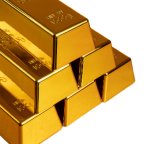
- 24K gold: Contains about 99.9% pure gold. It is softer than lower-karat gold and is generally used for coins and bars.
| Parameter | 18K Gold | 22K Gold | 24K Gold |
|---|
| Purity | 75% | 91.6% | 99.9% |
| Strength | Highest | High | Lower |
| Common Use | Diamond jewellery and daily wear jewellery | Traditional jewellery | Investment bars and coins |
| Price | Lowest | Higher | Highest |
The right choice depends on how you plan to use the gold. Jewellery buyers generally choose 18K or 22K, while 24K is more common for investment products.
Checking the purity of gold in Gaya
Checking gold purity is important before buying jewellery or using gold as collateral. A purity check helps you know how much actual gold an item contains.
Some common methods include:
- BIS hallmark: Look for the BIS hallmark, purity mark and other required identifiers on hallmarked jewellery.
- Acid testing: A professional uses an acid solution to assess the purity of a gold sample.
- Electronic testing: Gold testing machines can provide a quick estimate of purity.
- X-ray fluorescence: XRF testing checks the composition of the metal without damaging the jewellery.
- Assay testing: Certified testing centres can carry out detailed purity checks.
- Density testing: The density of the item is compared with known gold density to estimate purity.
For a reliable result, get your gold checked by a trusted jeweller or certified testing professional.
Have gold at home? Check your gold loan eligibility to understand how much you may be able to borrow.
How can you calculate the value of your gold?
You need three basic details to estimate the value of your gold:
- Gold weight
- Gold purity
- Applicable gold rate per gram
Formula
Gold Value = Gold Weight × Gold Rate Per Gram
For example, if you have 50 grams of 22K gold and the applicable rate is Rs. 12,826 per gram:
50 × Rs. 12,826 = Rs. 6,41,300
The estimated market value of your gold would therefore be Rs. 6,41,300.
This is an approximate value. The final amount considered for a gold loan depends on the applicable valuation method, eligible LTV and actual purity of the gold.
Now that you know the estimated value of your gold, check your gold loan eligibility.
How do gold rates influence gold investments?
Gold rates influence the value of physical gold, Gold ETFs, and Sovereign Gold Bonds (SGBs). While these products differ in structure, their performance is linked to movements in gold prices. Investors often monitor daily gold rates before purchasing jewellery, investing in Gold ETFs, or evaluating the value of existing gold holdings.