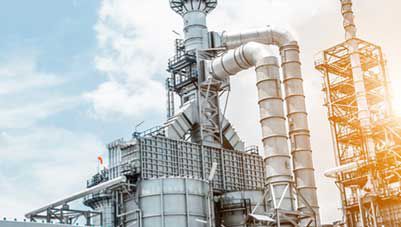
Geothermal power is emerging as a key renewable energy source, offering sustainable and low-carbon electricity generation. Unlike solar or wind power, geothermal energy relies on the heat stored beneath the Earth’s surface, making it a reliable and continuous energy option. This article explores geothermal power plants, their types, components, advantages, disadvantages, future trends, and challenges. It also provides insights into how geothermal projects can be financed in India.
Understanding geothermal power plant
A geothermal power plant converts heat energy from the Earth’s interior into electricity. It utilises hot water or steam from underground reservoirs to drive turbines connected to generators. Geothermal plants are considered renewable because the Earth continuously produces heat, providing a steady energy supply throughout the year.
What is geothermal energy?
Geothermal energy is the heat stored within the Earth’s crust. It can be sourced from natural steam vents, hot springs, magma, or hot water reservoirs deep underground. This energy can be harnessed for heating, industrial processes, and electricity generation.
Key points:
- Renewable and sustainable energy source
- Low greenhouse gas emissions
- Available 24/7, unlike solar or wind energy
- Can be used for electricity, heating, and industrial purposes
Basic concept of a geothermal power plant
Geothermal power plants work by extracting heat from underground reservoirs and converting it into electricity. The basic process includes:
- Drilling wells to access hot water or steam
- Using the steam to rotate turbines connected to generators
- Condensing the steam back into water for reinjection into the reservoir
- Maintaining a sustainable cycle to ensure long-term energy production
Types of geothermal power plants
Geothermal power plants are classified based on how they utilise steam or hot water from the Earth. The three main types are:
1. Dry steam plants
Dry steam plants are the oldest type of geothermal plant. They use natural steam directly from underground reservoirs to turn turbines.
- Steam is piped directly from the well to the turbine
- Simple design and highly efficient for high-temperature reservoirs
- Requires naturally dry steam; not suitable for areas with high water content
2. Flash steam plants
Flash steam plants use high-pressure hot water from the reservoir. When this water reaches lower pressure at the surface, it "flashes" into steam to drive turbines.
- Most common type of geothermal plant worldwide
- Can handle high-temperature and high-pressure water
- Excess water is often reinjected into the reservoir to maintain sustainability
3. Binary cycle plants
Binary cycle plants transfer heat from geothermal water to a secondary fluid with a lower boiling point. The secondary fluid vaporises and drives the turbine.
- Can utilise lower-temperature geothermal resources
- Closed-loop system prevents emission of greenhouse gases
- More flexible and widely applicable than dry or flash steam plants
Components of a geothermal power plant
Key components include:
- Production wells: Extract hot water or steam from underground reservoirs
- Turbines: Rotate using steam to generate mechanical energy
- Generators: Convert mechanical energy into electricity
- Heat exchangers: Transfer heat to secondary fluids in binary plants
- Cooling systems: Condense steam back to water for reinjection
- Injection wells: Return cooled water to the reservoir for sustainability
Advantages of geothermal plants
Geothermal energy offers several benefits:
- Renewable and environmentally friendly
- Provides a stable and continuous energy supply
- Small land footprint compared to solar or wind farms
- Low operating costs after installation
- Reduces dependency on fossil fuels and greenhouse gas emissions
Disadvantages of geothermal plants
Despite their benefits, geothermal plants have some challenges:
- High initial capital investment
- Limited to areas with geothermal resources
- Risk of depletion if water or steam is not managed sustainably
- Possible release of harmful gases like hydrogen sulphide
- Site-specific environmental impacts, such as land subsidence
Future trends in geothermal technology
The future of geothermal energy focuses on improving efficiency and expanding its applicability:
- Enhanced geothermal systems (EGS) that can work in low-permeability areas
- Hybrid plants combining geothermal with solar or biomass energy
- Smart monitoring to optimise energy extraction and sustainability
- Advances in drilling technology to reduce costs and expand locations
Challenges to geothermal development
While promising, geothermal energy faces several challenges:
- High upfront costs for drilling and plant construction
- Limited availability of suitable geothermal reservoirs
- Need for skilled workforce and technical expertise
- Regulatory and environmental hurdles in India and other countries
- Financing difficulties for small-scale developers
Conclusion
Geothermal power plants offer a reliable, renewable, and low-carbon energy source for India and the world. While the technology requires high initial investment and careful resource management, the long-term benefits for energy security and sustainability are significant. Students, entrepreneurs, or energy developers considering geothermal projects can explore business loans, compare business loan interest rates, and calculate eligibility using a business loan eligibility calculator to fund such projects efficiently.