Fridge vs Air Cooler - Cooling, Storage and Energy Use

Fridge vs Air Cooler - Cooling, Storage and Energy Use

A fridge preserves food at temperatures of around 2–8°C, while an air cooler cools the surrounding air without refrigeration. Buy one on Easy EMIs from Bajaj Finance.

Get a pre-approved loan offers up to Rs. 5 lakh

Quick approval | Flexible tenure options | Zero approval fees

In summary

A fridge is ideal for preserving food and beverages at 2 to 8 degree Celsius, while an air cooler is designed to cool indoor spaces. Understanding the difference between cooler and fridge helps you choose the right appliance.

  • Entry-level air coolers start from around Rs. 3,000, while refrigerators are available across a wider range of capacities and price points.
  • Refrigerators maintain temperatures between 2 and 8 degree Celsius to keep food fresh for longer periods.
  • Air coolers typically consume around 70–250 W, whereas refrigerators generally use approximately 100–400 W, depending on size and technology.
  • Choose a fridge for food storage and a cooler for improving indoor comfort during hot weather.
  • Compare capacity, energy efficiency, and intended use before making your purchase.

You can also buy a new cooler or fridge on Easy EMIs at over 1.5 lakh partner stores across 4,000 cities, including Reliance Digital, Croma, and Vijay Sales.
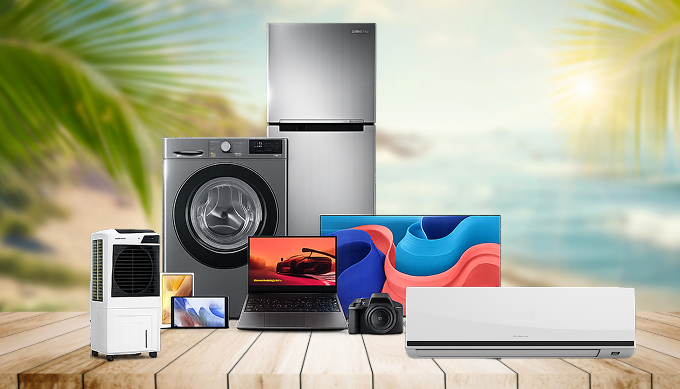
Overview of fridge and cooler

A fridge and an air cooler serve different purposes, even though both are associated with cooling. A fridge is designed to preserve food, beverages, and other perishables by maintaining temperatures between 2 and 8 degree Celsius. In contrast, an air cooler lowers the temperature of indoor spaces by circulating air through water-soaked cooling pads. Refrigerators are suitable for food storage throughout the year, while coolers are mainly used for personal comfort during hot weather. Comparing their functions, energy consumption, and intended use helps buyers choose the right appliance for their home or office.


If you want to replace your cooler or fridge, visit any of Bajaj Finance's 1.5 lakh partner stores — like Vijay Sales, Croma, Reliance Digital, and more — across 4,000 cities, including Tier 2 cities like Jaipur, Lucknow, Kochi, Bhopal, and more in India. Choose your preferred model, then use the Bajaj Finance Insta EMI Card or Bajaj Finance Easy EMI Loan to finance it. Convert the cost into Easy EMIs that suit your monthly budget and enjoy zero down payment on select models — take it home without any upfront payment. Check your loan eligibility online in minutes so you know exactly what you can get before you step into the store.

What is the difference between a cooler and a fridge

The main difference between a cooler and a fridge is that a fridge uses a compressor to maintain temperatures between 2 and 8 degree Celsius for food preservation, while an air cooler uses water evaporation to reduce room temperature by around 4 to 10 degree Celsius below the ambient temperature. A refrigerator is designed for long-term food storage, whereas a cooler is meant for personal cooling. Refrigerators operate throughout the year regardless of weather conditions. Air coolers work best in hot and dry climates where evaporation is more effective. Comparing their cooling method, energy use, and purpose helps buyers select the right appliance.


FeatureFridgeAir cooler
Primary purposeKeeps food and beverages fresh by maintaining a low internal temperature.Cools indoor spaces by circulating air through water-soaked cooling pads.
Cooling methodUses compressor-based refrigeration for consistent cooling.Uses evaporative cooling with a fan and water pump.
Cooling temperatureTypically maintains temperatures between 2 and 8 degree Celsius.Usually cools the air to 4 to 10 degree Celsius below the ambient temperature, depending on humidity and weather conditions.
Typical power consumptionAround 100–400 W, depending on the model and capacity.Around 70–250 W, depending on the model and fan speed.
Typical price rangeGenerally costs more than entry-level air coolers, with prices varying by capacity and features.Entry-level models typically start from around Rs. 3,000, with prices increasing based on capacity and features.
Climate suitabilitySuitable for use throughout the year, regardless of weather conditions.Performs best in hot and dry climates, where evaporative cooling is more effective.
Running durationDesigned for continuous operation throughout the day.Primarily used during warm seasons and operated as needed.
MaintenanceRequires periodic cleaning, defrosting (for applicable models), and servicing.Requires regular water refilling and cleaning of the cooling pads and water tank.
Best useIdeal for preserving food, beverages, and perishable items.Suitable for improving personal comf

Understanding the difference between cooler and fridge makes it easier to choose the right appliance based on whether you need food preservation or indoor cooling. To understand more about cooling systems, explore direct cool vs frost free Refrigerators and the difference between fridge and refrigerator.

What is the detailed feature comparison between a fridge and a cooler

The biggest difference for Indian buyers is that a fridge preserves food throughout the year, while a **cooler provides seasonal room cooling and does not store food.


FeatureFridgeCooler
Primary functionPreserves food and beverages by maintaining a consistently low temperature.Cools indoor spaces using evaporative cooling for improved comfort.
Typical specificationCompressor-based refrigerationEvaporative cooling with a fan and cooling pads
PriceVaries by capacity, brand, and features.Entry-level models typically start from around Rs. 3,000.
Best suited forHouseholds that need reliable food and beverage storage throughout the year.Users looking for an affordable cooling solution during hot and dry weather.
Cooling rangeTypically maintains temperatures between 2 and 8 degree Celsius.Usually cools the air to 4 to 10 degree Celsius below the ambient temperature, depending on humidity.
Power consumptionAround 100–400 W, depending on the model and capacity.Around 70–250 W, depending on the model and fan speed.
Noise levelTypically operates at around 35–45 dB, depending on the model.Generally operates at around 50–65 dB, depending on the fan speed and design.
InstallationPlug in the appliance and start using it after the initial setup.Requires water filling before use and regular refilling during operation.
MaintenanceRequires periodic cleaning and occasional servicing for optimal performance.Requires regular cleaning of the water tank and cooling pad

A cooler becomes less effective in humid climates, as evaporation is minimal when relative humidity exceeds around 70%. A refrigerator consumes more electricity but delivers consistent cooling regardless of weather, making it the better choice for food preservation throughout the year.

Is a beverage cooler the same as a mini fridge

While both a beverage cooler and a mini fridge are compact appliances designed for cooling, they serve different purposes. Here is how they compare:

  • Purpose: Beverage coolers are specifically designed to store drinks at optimal serving temperatures, while mini fridges are more versatile and can store both food and drinks.
  • Temperature range: Beverage coolers usually operate at a slightly higher temperature than mini fridges, making them ideal for sodas, beer, or wine.
  • Shelving and design: Beverage coolers often have transparent glass doors and adjustable racks suited for bottles and cans, whereas mini fridges may have solid doors and dedicated food compartments.
  • Usage: Beverage coolers are commonly placed in entertainment areas, while mini fridges are better suited for dormitories or small offices needing basic refrigeration.

Fridge vs cooler - Which one should you buy

The right choice depends on what you need. A fridge is designed to preserve food and beverages, while a cooler is meant to keep indoor spaces comfortable during hot weather. Since they serve different purposes, they are not direct alternatives.

Choose a fridge if you:

  • Need to store fresh food, dairy products, beverages, and frozen items.
  • Want year-round cooling, regardless of the weather.
  • Prefer an appliance that maintains a consistent temperature between 2 and 8 degree Celsius.
  • Need long-term food storage for your household.
  •  Students or hostel residents may prefer a compact mini fridge for storing essentials in limited spaces. 

Choose a cooler if you:

  • Want an affordable way to cool a room during summer.
  • Live in a hot and dry climate where evaporative cooling works well.
  • Prefer lower power consumption than most air conditioners.
  • Need a portable cooling solution for your home or office.

What are my financing options to buy a fridge

Bajaj Finance offers two financing options at over 1.5 lakh partner stores across 4,000 cities in India. Here is how they compare:


OptionLimitKey features
Bajaj Finance Insta EMI CardPre-approved card loan offer up to Rs. 3 lakhZero annual fee; 3 to 60 months tenure; works at 1.5 lakh partner stores; 1 million eligible products
Bajaj Finance Easy EMI LoanLoan limit up to Rs. 5 lakhQuick loan approval; 3 to 60 months tenure; basic KYC documents needed; ideal for higher-value purchases

How to choose? Both options require you to be physically present at a partner store. The Insta EMI Card is ideal for shoppers who want to purchase across multiple categories over time. The Easy EMI Loan suits buyers looking to finance a higher-value purchase in a single transaction.


Also explore the latest offers. You may find a great deal on a model that matches your needs.

How do I buy a fridge on EMI at a Bajaj Finance partner store

The process is simple and typically takes 10 to 15 minutes once you are at the store.

  • Browse washing machine models on Bajaj Mall: Compare fully  options, capacity, and energy rating based on your home's water pressure situation on Bajaj Mall before visiting a store.
  • Find a partner store near you: Use the Bajaj Finance store locator to find a nearby partner outlet such as Croma, Vijay Sales, or other authorised retailers.
  • Check the washing machine in person: Confirm the inlet pressure requirements listed in the product manual, and discuss whether an inline booster pump may be needed alongside your purchase given your home's water supply situation.
  • Choose a suitable EMI option: At checkout, ask the store executive about the Bajaj Finance Insta EMI Card or Easy EMI Loan. Confirm available tenure options and whether your chosen model comes with a zero down payment offer.
  • Complete payment and schedule installation: The in-store process is quick, and most partner stores offer installation as part of the purchase.

Save more with Smart Savings Calculator

Combine the best offers, EMI plans, and exclusive vouchers with Smart Savings Calculator to save big.

20k+ people used their offers at the store

Why use the Smart Savings Calculator

Bajaj Finance’s Smart Savings Calculator helps you unlock maximum savings every time you shop at partner stores. It brings together all available brand, dealer, and scheme offers—so you can see your total savings instantly and shop smarter with Easy EMIs.

  1. Dealer offers - Grab exclusive in-store deals at over 1.5 lakh partner stores across India. Enjoy local discounts and special prices you will not find online.
  2. Brand offers - Access limited-time discounts from top brands across electronics, appliances, and more. Discover brand-specific savings selected just for you.
  3. Bajaj offers - Unlock exclusive Bajaj Finance deals on popular products—available only to our customers. More rewards, more value.­
  4. Scheme offers - Take advantage of time-sensitive offers on select EMI schemes. Get extra benefits after paying just 3 EMIs—visible during EMI selection at checkout.

Calculate your extra savings today!

FAQs

EMI Details

General

How can I buy a fridge or cooler on EMI with Bajaj Finance?

Yes, you can easily bring home your preferred cooler using Bajaj Finance’s Easy EMI options. Whether you already have the Insta EMI card or are new to it, here is how to begin:


If you are an existing user of the Bajaj Finance EMI Network Card:  

  • Explore products on Bajaj Mall: Choose from a wide range of the latest and most popular models.
  • Visit a partner store: Check out the product in person at any of Bajaj Finance’s 1.5 lakh partner stores across 4,000 cities in India.
  • Use your Insta EMI card at checkout: Convert the cost into Easy EMIs that fit your monthly budget.
  • Zero down payment on select models: Take your chosen product home without paying anything upfront.

If you do not have a card, start by checking your EMI Network Card eligibility and take the first step towards enjoying the affordability and convenience of Easy EMIs.

No, a cooler cannot safely replace a refrigerator for storing perishable food because it cannot reliably maintain temperatures below 4 degree Celsius. An air cooler is designed to cool room air, not preserve food. Even an ice cooler typically keeps contents only 4 to 10 degree Celsius below the surrounding temperature, and the cooling effect lasts for about 8–12 hours, depending on the amount of ice used. A refrigerator is essential for safe long-term food storage.

No — a cooler cannot safely replace a refrigerator for storing perishable food because it cannot reliably maintain temperatures below 4 degree Celsius. Safe food storage requires temperatures below 4 degree Celsius, while a cooler generally keeps contents only 4 to 10 degree Celsius below the ambient temperature. If ice is used, the cooling effect typically lasts 8–12 hours, depending on the insulation and amount of ice. For storing milk, meat, dairy products, and leftovers safely, a refrigerator remains the better choice.

You can check your EMI eligibility with Bajaj Finance for a fridge by visiting any of its 1.5 lakh+ partner stores. Check your eligibility in seconds using your mobile number and OTP — no documents needed at the store. Eligible customers can access financing of up to Rs. 5 lakh, subject to approval. A minimum CIBIL score of 650 is generally required to improve your chances of app

An air cooler typically uses 15–200 W, while a fridge uses 100–200 W, making coolers lower in wattage, but fridges run 24/7 unlike coolers. A refrigerator generally consumes around 150–500 kWh per year, depending on its size and energy rating, whereas an air cooler uses electricity only when operated. However, a cooler's efficiency drops significantly in humid weather, making a refrigerator the more reliable appliance for year-round use.

Show More Show Less

Disclaimer

While care is taken to update the information, products, and services included in or available on our website and related platforms/websites, there may be inadvertent inaccuracies or typographical errors or delays in updating the information. The material contained in this site, and on associated web pages, is for reference and general information purpose and the details mentioned in the respective product/service document shall prevail in case of any inconsistency. Subscribers and users should seek professional advice before acting on the basis of the information contained herein. Please take an informed decision with respect to any product or service after going through the relevant product/service document and applicable terms and conditions. In case any inconsistencies observed, please click on reach us.

*Terms and conditions apply