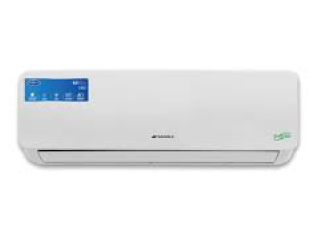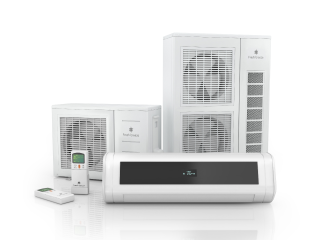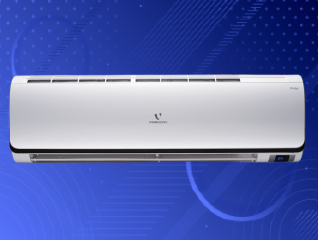




A dual inverter AC may not always require a separate stabiliser, as many modern models are designed to operate across a specified voltage range and may include built-in protection features. However, a stabiliser can provide an additional layer of protection in areas where voltage fluctuations, surges, or low-voltage conditions are frequent. The need depends on the AC model, its operating voltage range, local power conditions, and the manufacturer's recommendations.
- Modern dual inverter ACs may operate without a separate stabiliser when the household voltage supply remains within the range specified by the manufacturer.
- A stabiliser can be useful in areas that experience frequent voltage fluctuations, sudden surges, or prolonged low-voltage conditions.
- The AC's rated voltage range should be checked before deciding whether an external stabiliser is required.
- Using a compatible stabiliser can help protect electrical components from unsuitable voltage conditions and support reliable operation.
- The stabiliser capacity should match the AC's power requirements and should be selected according to the manufacturer's recommendations.
- A stabiliser does not replace regular AC maintenance and should not be used as a substitute for correct installation or electrical safety measures.
- Checking the product manual and installation guidelines is important because stabiliser requirements can vary between dual inverter AC models and brands.
You can also buy a new AC on Easy EMIs at over 1.5 lakh partner stores across 4,000 cities, including Reliance Digital, Croma, and Vijay Sales.